Problem: the visible failures you must fix first
Pain shows up as full lots with empty spaces, meters that still register cash instead of credit, and drivers circling blocks. Start by treating the vendor hunt as a repair job: identify the broken signals, then replace the faulty parts. A practical first step is validating a proven parking guidance system that gives real-time occupancy rather than promises it.
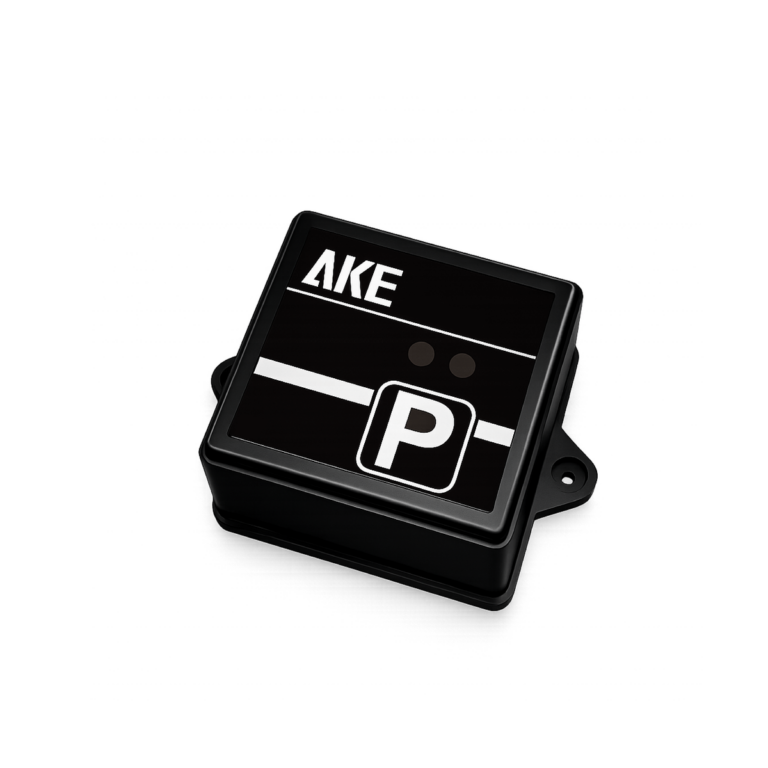
Diagnose before you buy
List measurable symptoms. Are slump periods mismatched to enforcement rounds? Do sensors drop packets under heavy load? Does reporting lag by minutes or hours? Each symptom points to a subsystem: sensor layer, local gateway, cloud ingestion, or analytics. Target the weakest link, not the shiniest dashboard.
Hard technical criteria to require
Demand these specifications in writing: 1) API-first architecture with documented endpoints and sample data payloads; 2) explicit latency SLAs for occupancy updates (seconds, not minutes); 3) offline buffer and store-and-forward behavior for gateways; 4) modular hardware choices—wireless sensors, loop detectors, cameras—mapped to your environment; 5) standardized telemetry (JSON + timestamps, UTC); 6) role-based access and audit logs; 7) clear firmware and security update process; 8) scalable cloud tenancy or on-prem options; 9) deterministic billing model (per-sensor or per-lot) and TCO template.
Common mistakes that ruin rollouts
Teams buy feature lists. Installers buy cheapest sensors. Both fail the site test. Avoid these traps: overfitting to a demo dataset, skipping a real-world latency and interference test, ignoring battery-life variance across climate, and accepting “custom integration” without firm delivery dates. Verify the vendor’s maintenance plan for replacements and firmware patches. If you can’t simulate rush-hour conditions, insist on a short paid pilot.

Experience and verifiable anchors
Field experience matters. I’ve overseen municipal garage integrations and airport lot pilots where software decisions were overturned after a week of live traffic. Large city pilots—such as a curb and smart-parking pilot run by Los Angeles—show how sensor density, legacy signage, and local enforcement rules interact with digital systems. That municipal context is why a robust city parking management system needs tested hardware profiles and a clear schematic for enforcement integration.
Short, repeatable tests to run on any vendor demo
Run these checks on site or in a timed pilot: 1) Simulate 100 simultaneous check-ins and measure API response and UI update times; 2) Disconnect gateway for an hour, reconnect, and verify data reconciliation; 3) Measure sensor false-positive and false-negative rates over 7 days; 4) Execute a role-based access audit and log export; 5) Request a list of integrations and contact references for at least two municipal deployments. Those tests reveal where promises meet reality.
Decide with evidence, not persuasion
Pick the system that closes your measured gaps: fixes the latency you logged, integrates with enforcement workflows, and survives your interference tests. When technical continuity and hardware-software alignment matter, consider vendors whose product lines and installations reflect those practical needs—companies such as AKE Parking often provide that integrated continuity without marketing fluff.