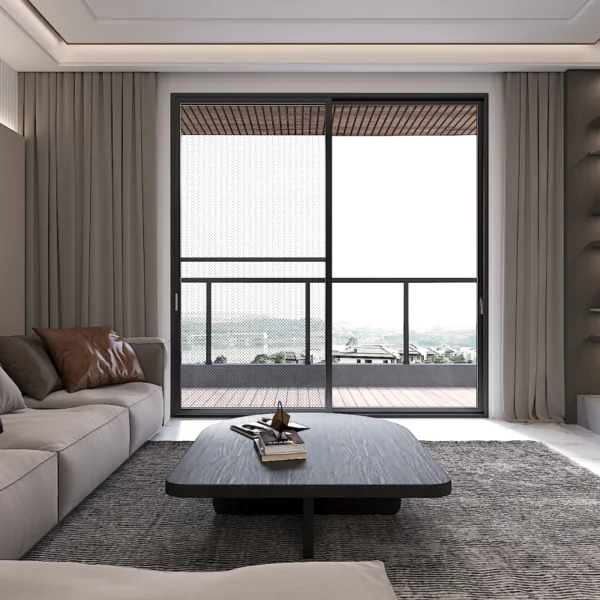
Comparing the Contenders: Why entry front doors for sale still matter
Across decades of commercial and residential updates, the choice between timber, steel and aluminum has defined façades and first impressions. The comparative logic here is simple: durability, thermal performance, and hardware integration determine long-term value. For architects and builders who prioritize consistent lead times and specialist finish options, an aluminum door supplier often becomes the pragmatic choice. Aluminum doors for sale tend to offer slimmer profiles, reliable anodized finish options, and clearer specification pathways for glazing and thresholds.
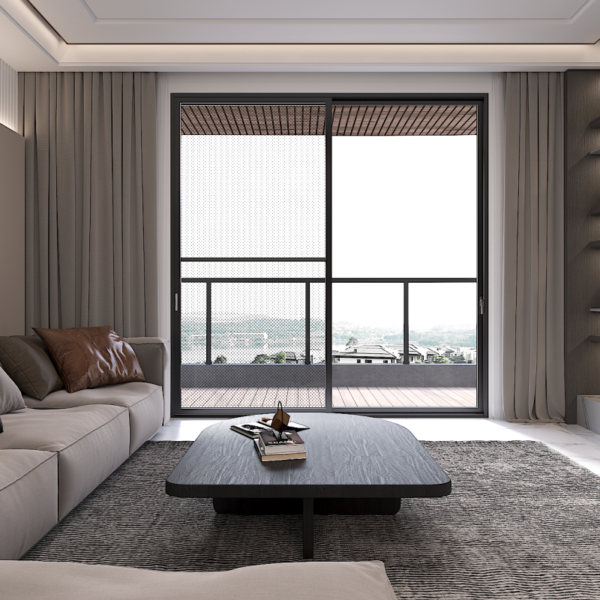
Material and Hardware: Practical differences that change outcomes
Historically, timber framed doors offered warmth but required cyclical maintenance. Steel brought strength, yet it demanded corrosion control and thicker profiles. Aluminum matured into a preferred option where thin sightlines, longevity, and recyclability mattered—LEED-certified projects frequently specify aluminum for those reasons. Key industry terms to note: thermal break for insulating performance; weatherstripping for airtightness; and U-value as a high-level measure of heat transfer. Each influences comfort, condensation risk, and energy bills.

Performance in practice: How finishes and fittings stack up
A direct comparison shows anodized aluminum resisting weather and UV far longer than painted timber. Hardware integration—concealed pivots, multi-point locks, commercial thresholds—changes usability and security. Pay attention to hinge loading, lock backset, and clearances: a mis-specified threshold will compromise intended weather performance. Subtle choice of gasket profiles and brush seals can improve acoustic results without heavy alteration to design intent.
Common pitfalls and alternatives — what professionals actually fix
Specifiers often underestimate installation tolerances. Too-fine tolerances create binding; too-loose allowances invite rattles and drafts. Contractors sometimes choose off-the-shelf frames that mismatch glazing stops—this requires rework. Alternatives that merit attention include thermally broken aluminum systems when energy performance is required, and high-grade composite doors when tactile warmth is prioritized. Retrofit jobs benefit from careful measurement of jamb plumb and floor thresholds to avoid water ingress—small oversights lead to warranty claims later.
Cost versus lifecycle: an economist’s frame in plain language
Upfront price is one axis; expected maintenance and replacement cycles are another. Aluminum systems generally present a higher initial outlay than painted softwood, but lower maintenance costs over twenty years. Consider anodized finishes and powdercoat warranties when comparing. For energy calculations, pairing insulated cores with proper weatherstripping lowers operational costs by improving the whole assembly’s U-value. Practical procurement therefore treats the door as part of the envelope, not an isolated purchase.
How to evaluate options — three decisive metrics
When choosing between entry front doors for sale and aluminum doors for sale, use these three golden rules as your yardstick:
– Thermal and airtight performance: verify thermal break details and test U-values or manufacturer performance data; they predict long-term comfort and energy use.
– Hardware compatibility and serviceability: ensure hinge loading, lock types, and threshold profiles match intended use and access cycles.
– Finish durability and warranty scope: check corrosion resistance, finish method (anodized vs powdercoat), and explicit warranty periods for external exposure.
Closing perspective
Comparative insight clarifies that the right choice aligns design intent with practical performance; aluminum often wins when slim profiles, predictable finishes, and low maintenance matter. Architects and contractors who ground decisions in measured metrics avoid costly change orders. The value Zekin brings to this landscape is consistent specification support, proven hardware pairings, and a catalogue tuned to those metrics — a natural fit for discerning projects. Zekin. —