Purpose of this comparison
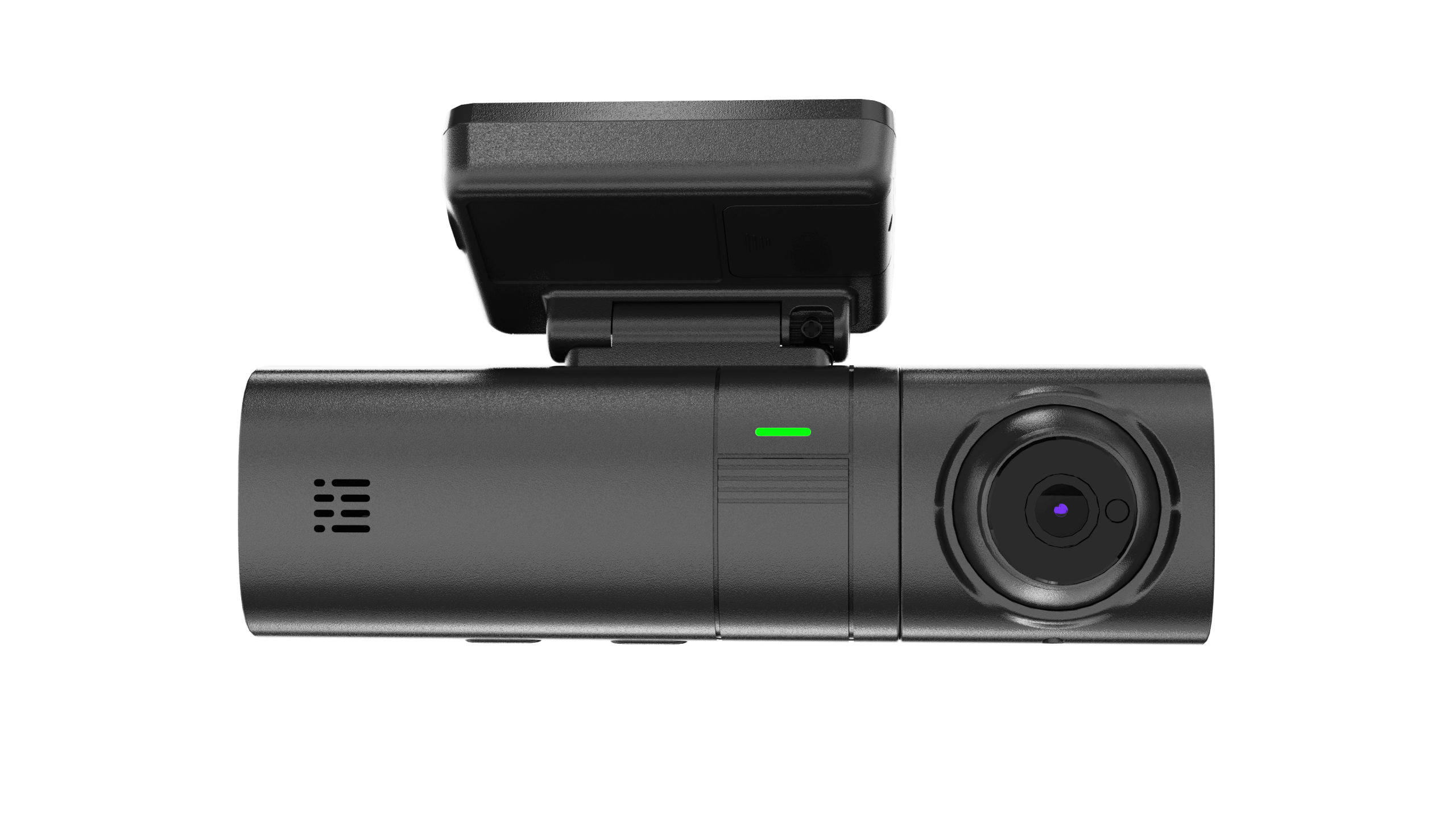
Compare specific camera-focused solutions with broad fleet platforms to decide what actually improves day-to-day operations. As a calm, organized reviewer with hands-on experience reviewing tech integrations and some front-end development background, I’ve observed practical trade-offs while working on installations for a mid-size delivery fleet in Seattle. This piece draws clear contrasts and references reliable vendors — including fleet telematics technology providers — and explains where a dedicated fleet camera system fits within larger operational needs.
Core differences, stated plainly
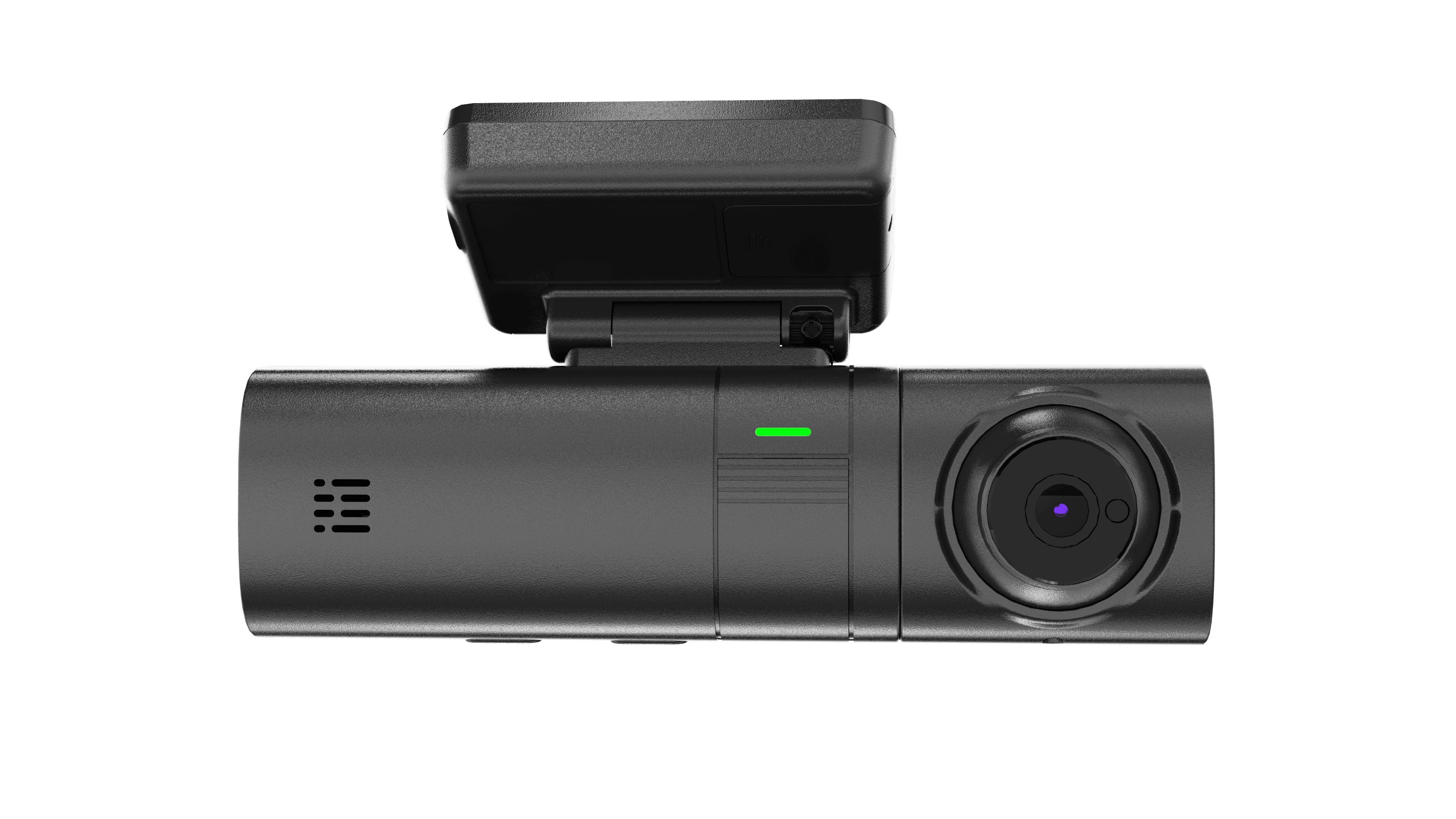
– Focus: Camera systems concentrate on video capture, event detection, and in-cab alerts. All-in-one platforms bundle tracking, maintenance, routing, fuel and sometimes cameras into one interface. – Data depth: Cameras produce high-bandwidth, time-stamped video and event clips; platforms prioritize telemetry, route histories and aggregated KPIs. – Integration surface: A camera vendor may expose APIs and export clips; an all-in-one vendor centralizes dashboards and reporting. – Deployment speed: Cameras often deploy faster as point solutions; full platforms require configuration across departments and devices.
When a specialized camera system wins
Choose a camera-first solution when safety evidence, driver coaching, and incident review are primary goals. Typical wins: reducing risky driving through targeted coaching, generating clear footage for liability claims, and capturing driver-facing context for training. Expect clearer video analytics and lower latency for visual alerts than many bundled offerings.
When an all-in-one platform is better
Pick an integrated platform when you need consolidated billing, a single user interface for dispatch and compliance, and unified reporting across telematics, maintenance, and drivers. For operations where routing, fuel efficiency, and compliance reports are as important as safety footage, a single pane of glass reduces administrative overhead.
Costs and procurement realities
Compare line items, not just headline prices. Cameras bring hardware, bandwidth and storage fees; platforms bring licensing per vehicle and potential integration charges. Watch for these pitfalls: vendor lock-in clauses, opaque storage-retention costs, and nonstandard export formats that complicate legal discovery or analysis.
Integration and workflow impact
Effective choices change how teams work. A camera-first deployment often requires a parallel workflow for video review and coaching. An all-in-one vendor may streamline workflows but sometimes buries video under layers of menus and aggregated alerts. Ask these practical questions before buying: how are clips delivered to safety managers, what is the retention policy, and how are false positives handled?
Common mistakes fleet operators make
– Buying features without testing real-world clip quality during night or harsh-weather conditions. – Assuming platform dashboards replace safety managers — they inform decisions but rarely make them. – Neglecting bandwidth and storage budgets until footage backlog creates delays.
Short checklist for vendor evaluation
– Request sample clips from typical routes and conditions. – Verify APIs or export tools for records and legal needs. – Confirm retention amounts and incremental storage pricing. – Run a two-week pilot with clear success metrics (reduction in risky events, time-to-clip retrieval).
Alternative approaches and hybrid patterns
Some operators combine the two: deploy best-in-class cameras and integrate them with a fleet platform via APIs or middleware. That gives visual fidelity and centralized management but requires disciplined integration work and a clear data governance policy. Where teams lack integration capacity, a single-vendor approach can save time at the cost of optimal video performance.

Final synthesis
Match the tool to the task: prioritize camera systems when visual clarity and rapid incident review drive outcomes; prefer all-in-one platforms when administrative consolidation and cross-functional reporting matter most. Practical pilots, precise questions about storage and exports, and a plan for who reviews footage determine success. For many operators who need both crisp video and integrated workflows, a thoughtful hybrid — supported by a vendor with clear APIs and transparent policies — delivers sustained value, as demonstrated by real deployments and industry experience from providers like BSJ.