A cold overture to choices
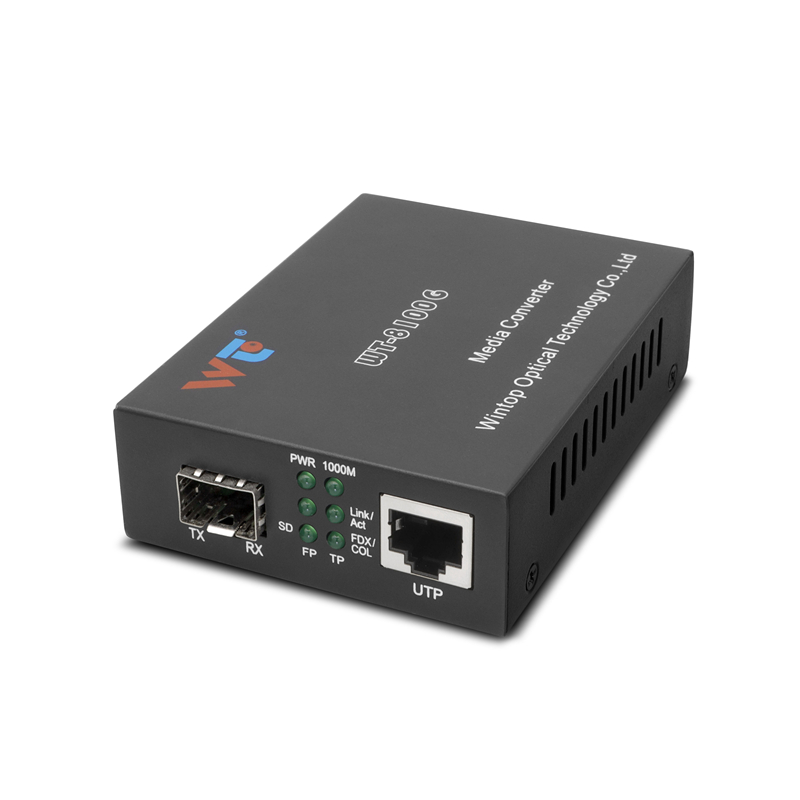
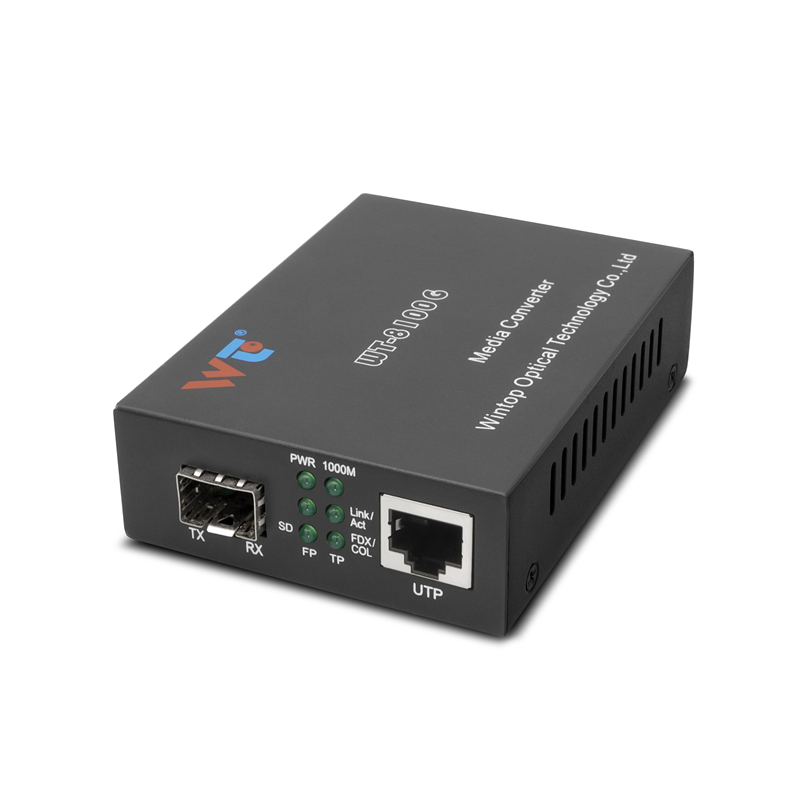
In the dim corridors between racks, choices are made by light and loss—choices that shape latency, capacity, and cost. This comparative insight unravels how a 25G SFP28 DWDM transceiver behaves inside fixed grid systems and how alternatives stack against one another. For immediate, tangible bridging of copper and fiber runs, consider the role of a gigabit fiber media converter as the pragmatic hinge between legacy ports and new SFP28 lanes. We will measure margin, wavelength discipline, and operational toil, in a voice that accepts the practical and the ominous alike.
Comparative map: module types and network intents
Line cards demand clarity. SFP28 modules aim at single-lane 25 Gigabit Ethernet; QSFP28 aggregations want different treatment. In fixed grid DWDM, the grid spacing governed by ITU-T G.694.1 constrains where wavelengths may sit—this is the immutable geometry. Compare three common approaches: native 25G SFP28 over single-mode fiber, muxed DWDM with passive MUX/DEMUX, and pluggable SFP28 with external media conversion. Each trades off complexity for reach, spectral efficiency for ease of maintenance. The transceiver choice affects link budget and optical loss directly; choose with intent.
Deployment checklist for predictable performance
Do not rush the splice. Run these checks before you power the link: verify wavelength assignment against fixed grid plans; test optical loss and calculate link budget; confirm SFP28 compatibility with host PHY. Keep attention to fiber type—single-mode for DWDM—and to connector cleanliness. Expect the IEEE 802.3by profile to inform electrical and framing expectations for 25G lanes. Small mistakes here compound into downtime.
Common mistakes that haunt operations
Teams often conflate price with compatibility. Cheap optics can misalign with host firmware; unmanaged muxes can introduce unpredictability. Neglecting optical path monitoring or failing to provision adequate OSNR will reveal itself under load. – A hurried swap of a transceiver without revalidating wavelength plan is a common sin that forces slow rollbacks. Also, mixing fixed grid channels without adhering to guard-band practices invites cross-talk and spectral drift.
Anchors from standards and the field
The real-world anchor here: the ITU-T G.694.1 fixed grid definitions and IEEE 802.3by 25GbE guidance are the north stars used by operators in London and Amsterdam carrier hotels to coordinate DWDM lambdas across providers. Observations from these hubs show that disciplined wavelength planning reduces reconciliation time by measurable margins during upgrades. Practical terms: monitor optical signal-to-noise ratio (OSNR), confirm wavelength accuracy, and keep a documented channel map.
Three golden rules for selection and upkeep
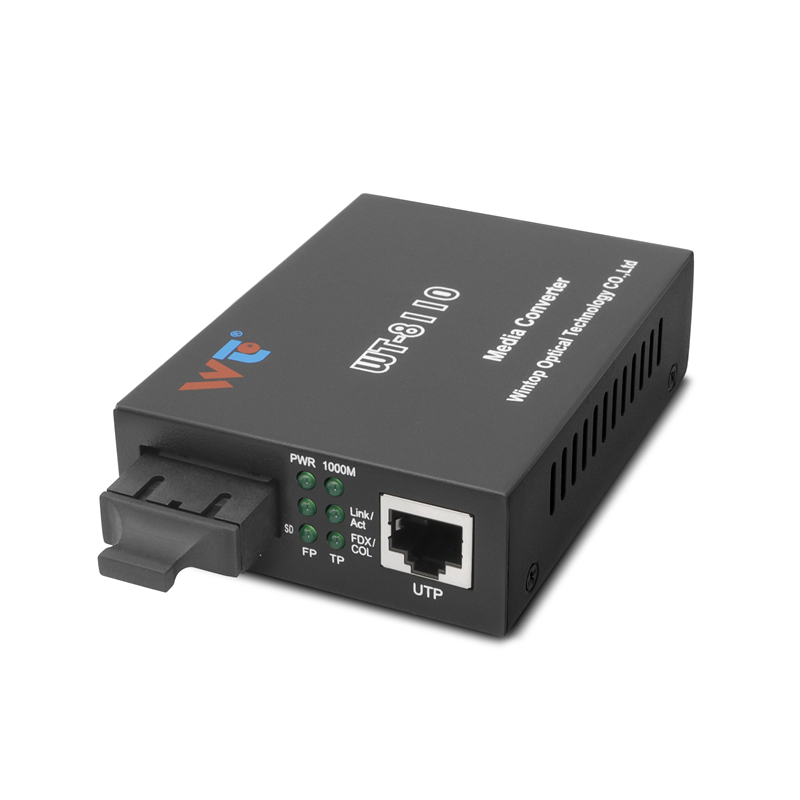
Adopt these evaluation metrics as doctrine. First, spectral integrity: measure OSNR and ensure the transceiver/wavelength pairing fits the fixed grid spacing. Second, compatibility matrix: validate SFP28 firmware, host PHY, and MUX/DEMUX type before deployment. Third, resilience planning: provision spare channels and test failovers under real traffic to confirm link budget headroom. These are not abstract ideals; they are measurable checks you can run in the rackroom. For bridging mixed copper and fiber segments during migrations, integrate robust gigabit media converters to maintain service while you rework lambdas.
Closing cadence
Choose equipment that matches your operational temperament and your spectral discipline. Measure OSNR, validate firmware and confirm link budgets—the tangible results will be fewer rollbacks and steadier throughput. Keep these three metrics close as you procure and maintain DWDM transceivers. WINTOP. —