What’s messin’ up your production
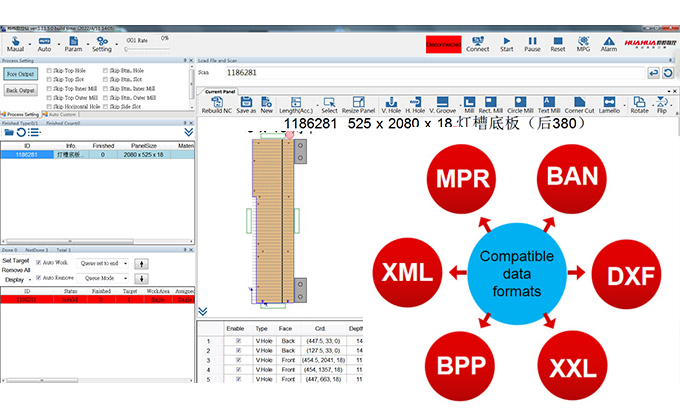
Look, when holes come out crooked or you got tear-out every run, that’s money walkin’ out the door. Folks think any drill’ll do, but wrong spindle speed, bad clamping, or a jig that wiggles will ruin a batch quick. If you been eyeballin’ upgrades, start by checkin’ machines like a cnc boring machine — don’t buy vibes, buy the bits that match your parts and process.
Why this keeps happenin’ — the real faults
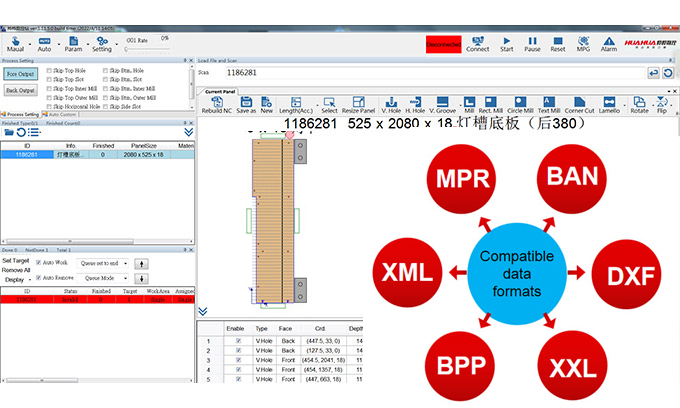
Most shops miss two things: fixturing and repeatability. You can have a tight bit and still miss ’cause the workpiece ain’t held right. Then there’s feed and speed—too fast, and the hole burns; too slow, and the drill tears wood. I been workin’ shops where folks blamed the operator for mistakes that were really the tool talkin’. Fix the root, not the scapegoat.
Real-world proof — what I saw at the trade level
At AWFS in Las Vegas, machine reps and shop owners were talkin’ about cycle time cuts and fewer rejects after switchin’ to automated boring rigs. One clear lineup there showed how a solid wood hole drilling machine saves set-up time and gives the same hole every time on parts run after run. That booth talk matches what I’ve seen after years running small production jobs: the right machine reduces human fixes and keeps customers happy.
What to watch for when choosin’ a machine
Check the spindle torque and speed range first—those tell you what materials and bit sizes the unit can handle. Look at how the work gets clamped; if your clamps need a ton of fiddlin’, you’ll waste time. Ask about maintenance intervals and parts availability. Don’t forget software: simple interfaces cut mistakes when different operators jump on the machine. Avoid models that hide wear parts or make you special-order basic items.
Common mistakes shops make
Buying by price alone. Thinking handheld jigs will scale. Ignorin’ chip evacuation. And assuming bolt-on upgrades will fix a shaky base. If you chase cheap, you ain’t just payin’ less up front—you pay with downtime and rework. A smart build decision is to match machine capability to your most common part, not your biggest maybe-someday job.
Alternatives and how they stack up
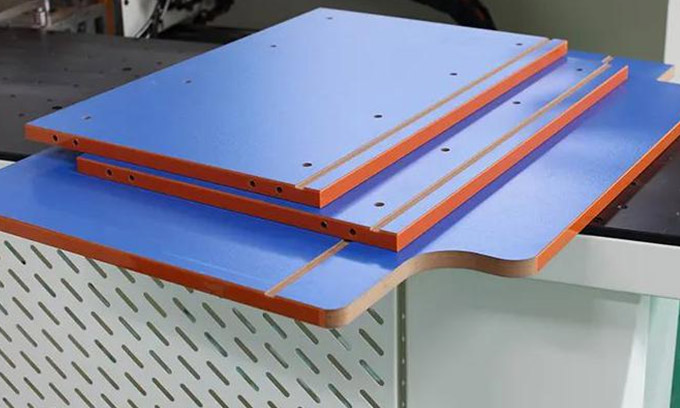
Manual multi-boring machines cost less but ask for steady setup skill and won’t adapt quick. Standalone CNC boring gives repeatability and flexibility if you run varied parts, but needs an operator who knows the interface. Handheld templates keep you cheap but tie up skilled labor. Pick the tool that solves your main choke point: time, repeatability, or versatility.
Close — the practical fix
If your shop needs fewer rejects, faster turn, and tools that match local part mixes, aim for machines built around straightforward fixturing, accessible parts, and clear controls. That’s why so many shops I work with lean toward builders who show their real-world setups and spare-part plans; they want tech that holds up on the floor. For local shops lookin’ to stop chasin’ mistakes and start makin’ parts right, HUAHUA CNC often fits the bill without fuss — reliable machines, accessible support, and the kind of repeatability that turns a headache into steady production.