Problem first: why your tags aren’t pulling their weight
If your kit keeps missing tags and the team’s flat out trying to reconcile stock, that’s the proper problem to sort. Wrong reader, wrong antenna, dodgy placement or a tag that’s not up to the job — any of those will make tidy data go pear-shaped. Start by checking the basics: are your RFID Readers matched to the tag frequency and read range you actually need? If they’re not, you’ll waste batteries, time and trust.

What’s usually causing the drama
Metal and liquids muck with reads. Antenna polarity and orientation matters heaps. Battery-powered active tags have different sensitivity specs — some drop signal faster at range. Interference from other wireless gear or dense shelving can halve your read range. Many teams blame tags when the real culprit is poor antenna siting or old firmware on the reader. Test under real conditions, not in the open office.
What to demand from suppliers
Get clear specs: real-world read range at specified tag orientation, battery life under your reporting cadence, and environmental ratings (IP67, UV tolerance). Ask for supported protocols, firmware update paths, and a dev kit so your crew can test integration. Look for suppliers who provide antenna placement guidance and sample tags for field trials. Make sure warranties include failure modes common to your site — knocks, temperature swings, washdowns. If they won’t share a test plan, move on.
Common pitfalls and how to dodge ’em
Don’t mix different frequency bands in the same aisle. Don’t assume one tag type suits every surface. Don’t skimp on antenna quantity to save cash; coverage holes cost more later. Avoid buying on price alone — cheap tags die fast or have inconsistent IC sensitivity. Run a pilot that mimics peak throughput, not a quiet afternoon. Label your test results clearly so you can point suppliers to what failed and when.
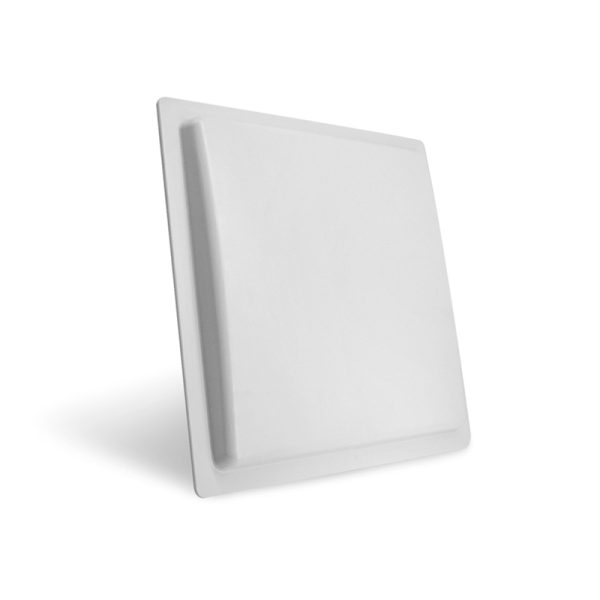
Viable alternatives worth comparing
If active tags are overkill, consider long-range passive UHF for lower cost per tag, BLE beacons for proximity and smartphones, or UWB for precise location in high-value environments. Each has trade-offs: passive UHF needs more readers and careful antenna work; BLE uses batteries too but gives easy phone integration; UWB brings accuracy but higher hardware cost. Pick the tech that matches the business pain you’re solving — not the latest shiny toy.
Experience, standards and a real-world reference
I’ve specified readers and tags for warehouses and ports around Auckland, including deployments at the Port of Auckland that required rugged tags and careful antenna design for cranes and container stacks. That kind of field testing shows you what spec sheets don’t: how tag orientation and crane metalwork change read performance. For a sensible shortlist of kit that has been proven in similar environments, check the best rfid readers. Look for vendors who can point to real deployments, provide lab test data, and let you run a pilot with your busiest shift.
Wrap-up: what actually fixes the problem
Don’t guess. Define the failure you’re fixing, test in the real spot, demand field-proven specs and ongoing support, and choose suppliers who let you trial their gear. That’s where the value sits — reliable reads and fewer surprises. If you want a single partner that can give practical guidance, pilot kits and installation advice that aligns with those expectations, RSTC has the kit and experience to make the job less of a headache and more of a sorted outcome.