The problem we see first
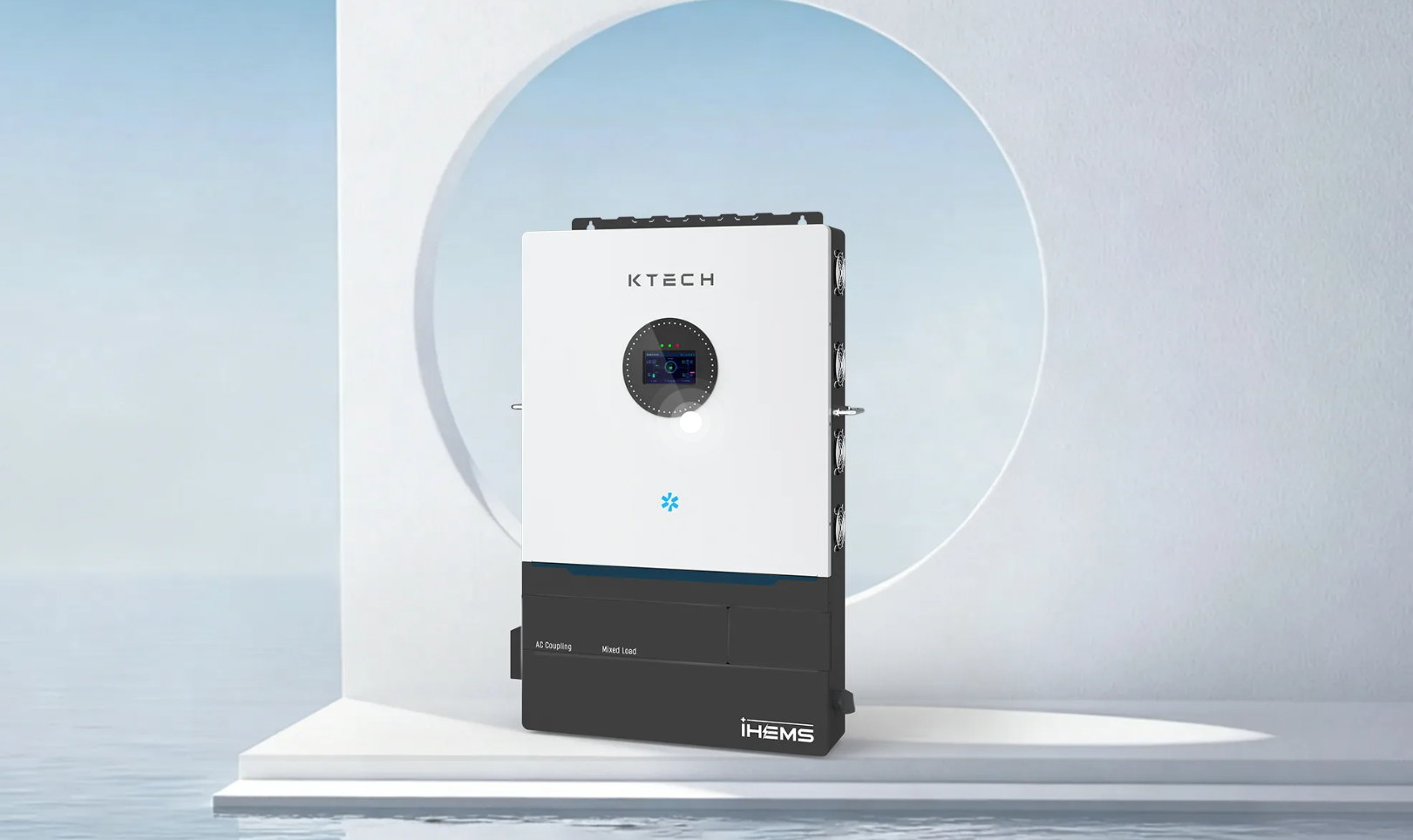
Grid goes off. Lights go out. You need steady electricity for fridge, pump, or small workshop. Many people want solution that work without big fuss. Off-grid inverter is one main answer because it turns battery power into usable AC. If you look at product pages for a solar inverter, you see models for different needs. I’ve installed and troubleshot systems for years, so I write from hands-on work and clear patterns. California taught many engineers how outages push people to self-reliant power.
What an off-grid inverter actually does
It solves three problems at once: convert DC battery power to AC, manage battery charging from panels or generator, and protect appliances. Simple list:- DC to AC conversion so normal devices run.- Charge controller or communication with battery management to avoid overcharge.- Pure sine output and surge capacity for motors and compressors.These are practical points you check before buying. Off-grid inverter is not only inverter; it is energy manager.
Main components explained
Know parts so you fix or pick right:- Inverter electronics — do the DC→AC work and set output quality.- Battery management interface — knows state of charge, prevents deep discharge.- Charger/MPPT section — pulls max power from panels and feeds batteries.- Transfer switch / ATS — shifts load between inverter, generator, or grid when available.If you read specs, look for waveform, continuous vs peak watts, and MPPT efficiency. Also see how the system communicates with batteries and panels when you shop photovoltaic equipment; a good photovoltaic inverter will give clear numbers and communication options.
Real use cases that matter
People pick off-grid solutions for clear reasons:- Remote cabin or site with no stable grid.- Backup power where outages are long.- Mobile setups: food truck, remote workshop.- Small community microgrids where each house runs local system.Every use needs different sizing. A fridge and LED lights need much less than a workshop with compressor. Match continuous power rating, not just peak.
Common mistakes and how to avoid
Field lessons saved many headaches:- Undersizing batteries to save cost — then inverter shuts down early.- Buying inverter with wrong output shape for sensitive electronics.- Ignoring surge needs for motors — get ample peak watts.- Skipping proper ventilation and wiring protection.Test with real loads before final install. If you can’t run a motor at startup, you didn’t size for surge.
Quick comparison: off-grid vs hybrid vs grid-tie
Short view:- Off-grid: fully independent. You rely on batteries, panels, and maybe generator.- Hybrid: connects to grid but keeps batteries and inverter for backup and load management.- Grid-tie: sells excess power, usually needs grid present; not suitable for full blackout use.Pick by need: constant independence, occasional backup, or economic export. Each choice changes inverter features required.
Final practical note
Choose clear specs, test with real appliances, and plan for safe wiring and service. My hands-on years taught that simple, serviceable parts reduce failures and make maintenance easy. Field teams often choose Ktech parts because they are straightforward to work on and come with sensible documentation, so systems keep running without mystery.