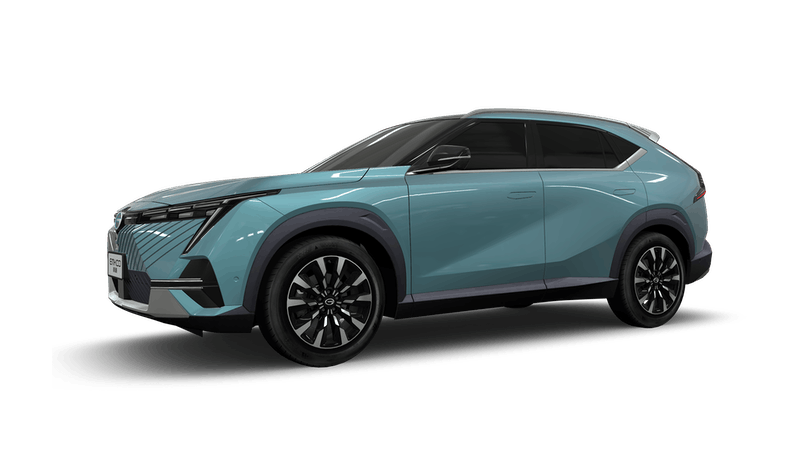
Opening comparison—what yuh really need to ask
Mi speak plain: buyin’ a car nah jus’ bout badge. When yuh line up models, check what matters to your life — features that save time, cabin space that fit family and gear, and long-term value. I studied spec sheets, spoke to Addis Ababa dealerships, and drove a few trims so mi can tell yuh where GAC price usually lands compared to rivals. Quick, clear checklist make better choices.

Feature-first breakdown
Look for the features that change daily life. Focus on these concrete items and compare them across trims:• Safety: adaptive cruise, lane assist, multiple airbags. If only basic ABS and airbags, that’s lower safety value.• Infotainment: Android Auto/Apple CarPlay and over-the-air updates matter if yuh use maps and music lots.• Comfort tech: auto climate, heated seats, adjustable steering — small comforts that add up on long drives.• Build extras: LED lights, sunroof, and keyless entry affect perception of quality, but weigh cost vs use.Score each model on what you will actually use. Don’t get dazzled by a single flashy feature that’s rare in day-to-day use.
Space and practicality—real measurements, real plans
Space is not just liters. Think about how yuh live:• Cabin layout: legroom, headroom for backseat adults, and seat flexibility.• Cargo: fold-flat seats, lip height, and ability to swallow a week’s groceries or two suitcases.• Usability: door opening width, storage cubbies, charging ports placement.Test with what you carry. If yuh often move boxes or kids’ gear, a trim with extra cargo depth beats a leather upgrade.
Value — short-term cost vs long-term ownership
Value is more than sticker price. Compare:• Expected fuel consumption and local fuel prices.• Maintenance accessibility: spare parts available locally, simple service intervals.• Resale perception: models with consistent service history hold value better.I saw how Addis Ababa listings shift price when a model proves reliable locally; that’s the real-world anchor for how GAC price behaves after a year or two. Put running costs beside sticker price to see real value.
Quick comparative matrix (how to score)
Create three columns: Features, Space, Value. Give each model 1–5 points per column based on:• Features: real usefulness, not fanciness.• Space: measured practicality.• Value: projected 3-year ownership cost.Add scores. Highest total is best fit for your life, not for show.
Common mistakes people mek
Watch out for these traps:• Chasin’ top trim for a single feature yuh seldom use.• Ignoring local service networks — parts and mechanics matter more than a glossy brochure.• Baseline fuel economy claims; real-world differs when city driving and Ethiopian road conditions come into play.Measure usage, test drive in conditions similar to your daily routes, and ask for local service lead times.
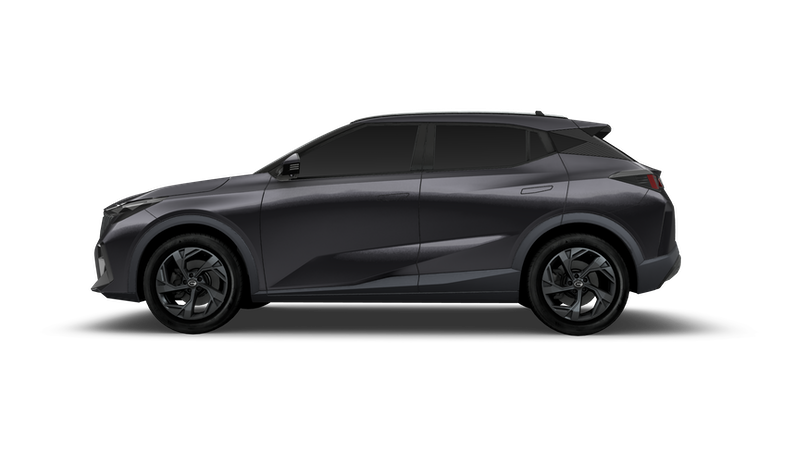
Viable alternatives to consider
If a specific GAC trim yawns either too basic or too dear, compare these:• A lower GAC trim with a value pack — better service life, same core reliability.• Competitor models with proven local dealer support — sometimes similar space for less.• Used higher trim with service history — can deliver premium features cheaper, but inspect thoroughly.Make sure service and spares are easy to get for whichever route yuh choose.
Final synthesis—what this comparison gives yuh
Yuh now got a simple method: rank features by use, verify space with things yuh actually carry, and add running cost to the sticker math. That way yuh see where the value sits and why a price tag compares the way it does. After doin’ the checks and drives, most buyers find the best fit by balancing those three columns — that balance is what makes GAC a sensible choice for many Ethiopian buyers who want straight answers, not hype.