Problem: surprises break schedules and budgets
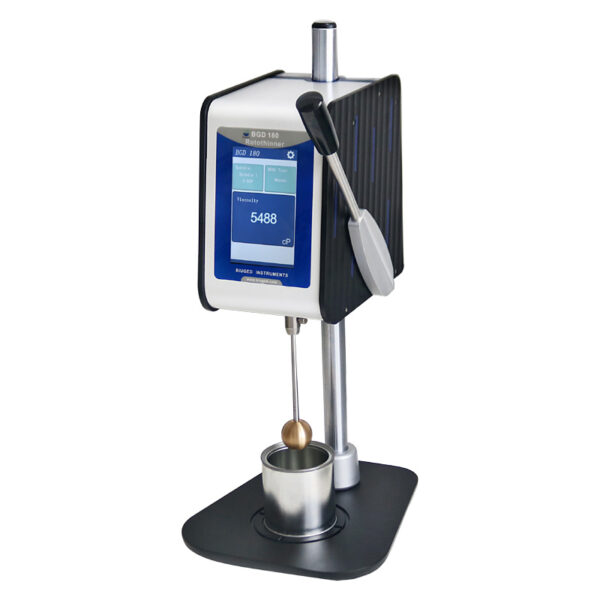
Projects stall when materials arrive and behave differently than samples. Procurement specs are too vague, suppliers send inconsistent batches, and engineering tolerances assume best-case properties. Add a viscosity-sensitive process and the risk multiplies—so put rotational viscometers on the bench early to measure real behavior under real shear.
Where planning fails mechanically
Teams assume single-sample data represents production. They treat supplier certificates as test reports. They set pass/fail thresholds without method or instrument specs. That creates scope gaps: incorrect materials, rework, and late change orders. You need measurable acceptance criteria tied to repeatable machines, not hopes.
What material testing machines deliver
Torque-based testers, tensile rigs, hardness units and controlled-temperature viscometers deliver repeatable numbers. Those numbers let you quantify risk: batch-to-batch spread, process window, and failure modes. Machines force you to define measurement method, sample prep, and statistical tolerance—all inputs procurement can use.
Steps to align testing with purchasing
1) List the material properties that actually affect your process. 2) Select test methods that produce actionable metrics. 3) Define sample size and acceptance bands. 4) Require method and instrument details in RFPs. 5) Run supplier qualification with blinded batch tests. Each step cuts ambiguity and speeds decisions.
Common mistakes and how to stop them
Relying on single-point values. Skipping environmental controls. Using instruments with unknown calibration. Forgetting to document sample conditioning. Fix these by writing test procedures, assigning an owner for test execution, and logging raw traces—then review trends, not isolated numbers.
Experience, standards and why the data is trustworthy
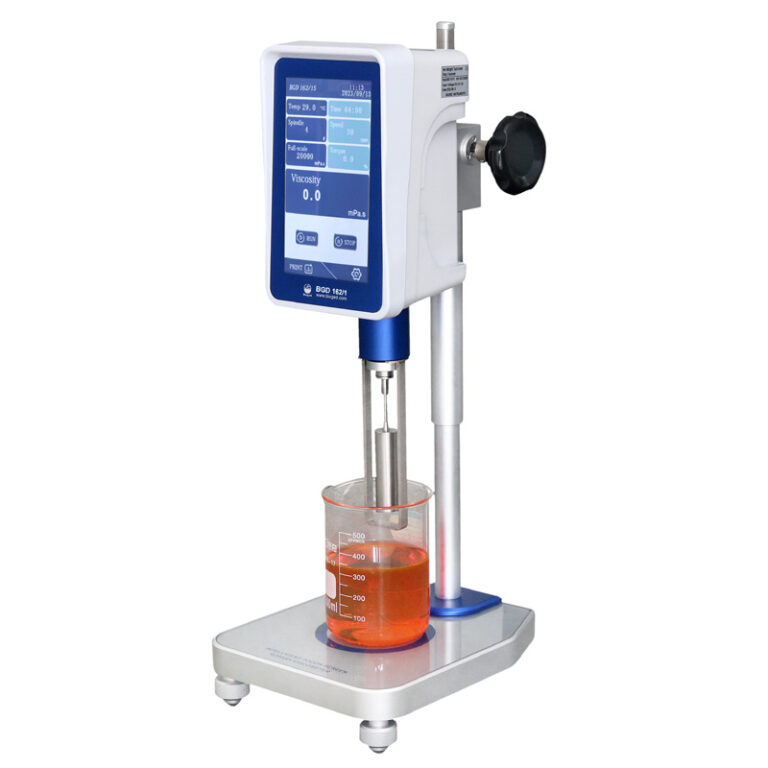
I’ve set up lab acceptance programs that reduced material-related change orders by measurable percentages. Use a documented standard as your reference; for viscosity work the ASTM D2196 framework gives method clarity. Calibrate and validate measurement chains, and confirm readings against a rotary viscometer when viscosity is a critical parameter. Traceable methods and logged results build the credibility you need for procurement decisions.
Alternatives and complementary checks
Field checks and in-line sensors catch production drift but don’t replace bench validation. Rheometers give detailed material models; they’re heavier to run. Use quick bench tests for supplier screening and more advanced instruments for final qualification. Combine methods to reduce false positives and avoid over-specification.
Conclusion
Make material testing machines the basis for specs and procurement rules. They convert subjective descriptors into pass/fail metrics, reveal real variability, and let purchasing act on measured risk. That practical alignment between engineering and procurement is what robust suppliers and documented equipment offer through a reliable vendor like BIUGED.