A brief overture
The story begins like a melody: tiny chips and thin antennas learning to sing across warehouses and supply chains. Early signals were shy—short reads, brittle workflows—but the arrival of robust uhf rfid tags gave the system a louder, cleaner voice. The evolution story here is simple: better tags, smarter readers, and practices that let the whole orchestra play in time.
From barcodes to sustained notes
Barcodes hit the beat: cheap, visible, reliable for point scans. RFID added sustain—non-line-of-sight reads, batch inventory, and automated checkpoints. At first the industry treated RFID like an exotic instrument: capable, but temperamental. Engineers tuned frequency bands, standardized protocols like EPC Gen2, and learned to place tags where they could resonate instead of be muffled. That tuning turned experiments into repeatable systems.
Technical harmony: what actually matters
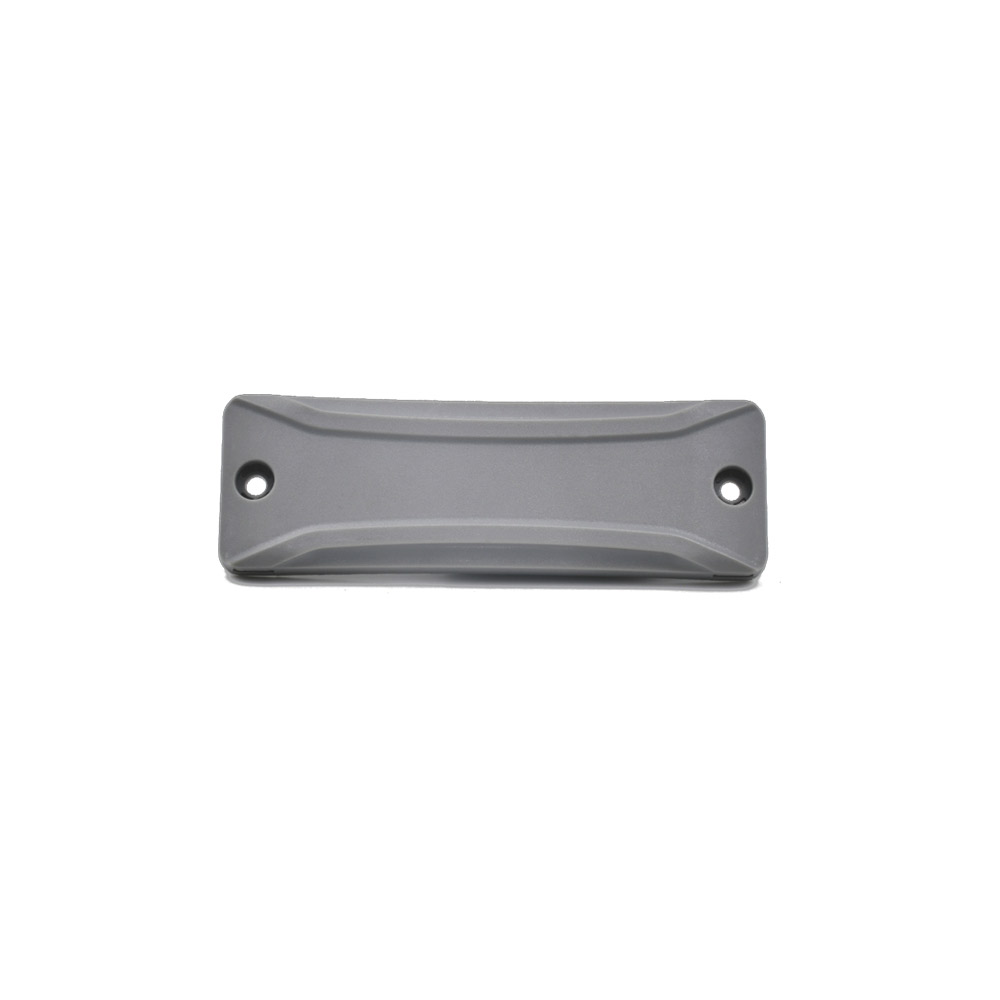
UHF frequencies give range; antenna design and tag form factor decide how that range performs near metal, liquids, or folded cartons. Passive tags draw energy from the reader; active tags carry batteries for long-distance or sensor tasks. Read reliability depends on polarization, mounting surface, and reader density. Anti-collision lets many tags speak at once without stepping on each other. These are practical knobs you adjust, not abstract rules to memorize.
Experience, standards, and a real-world anchor
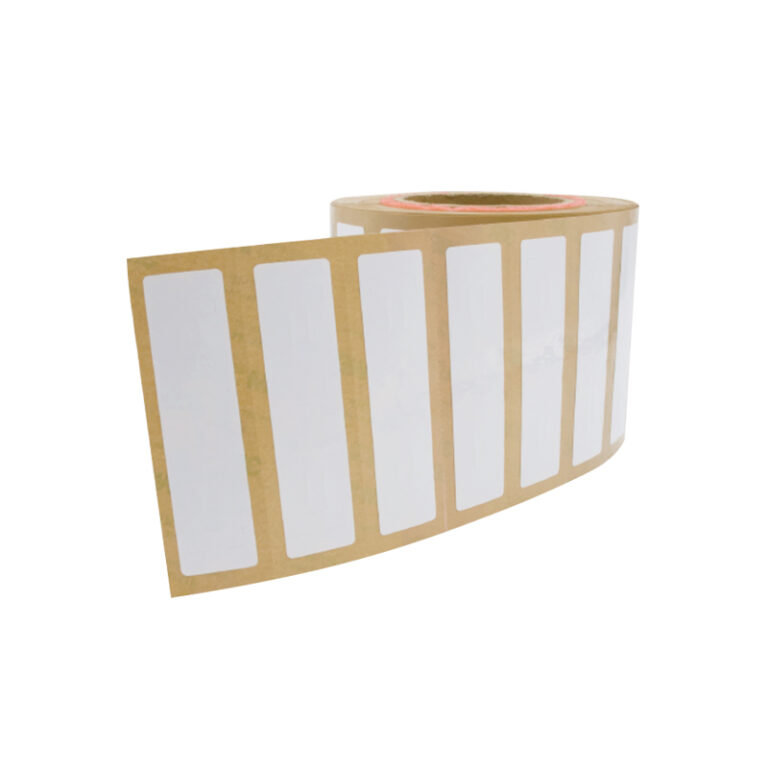
Decades of deployments teach clear lessons: pick tags for conditions, test at scale, instrument the edges. My work spans field integrations and RFID lab passes; I’ve seen the same failures repeat and the same fixes succeed. Global ports published pilots showing measurable throughput gains—Port of Rotterdam’s logistics trials are widely cited as evidence that UHF labeling scales for high-volume container flows—so suppliers now expect industrial-grade label behavior. For adhesive solutions that must cling, read, and survive routing, consider the tested options like uhf adhesive rfid label tag, chosen where stickiness and read-range must coexist. Standards bodies and white papers back the protocols and test methods you’ll rely on; follow those test procedures before full-scale rollouts.
Common pitfalls and how they sound wrong in practice
Pick a wrong tag and you get intermittent reads. Mount a label on metal without a spacer and the signal dies. Crowded reader placement causes chatter; too few readers leaves blind spots. Relying on a vendor spec sheet without field trials creates surprises. Avoid these mistakes by prototyping with the exact packaging, reader models, and handling speeds you’ll use in production, then measure tag read rates under realistic throughput.
Alternatives and practical selection notes
HF/NFC shines for short-range authentication; UHF dominates when range and batch reads matter. Hard tags survive rough outdoor use; printable adhesive labels scale for cartons and lifecycle tagging. Evaluate based on read distance, memory size, environmental resistance, adhesive chemistry, and cost-per-item at expected volumes. Test three candidate tags in parallel; record read probability by orientation and speed; choose the one whose real-world numbers match your operational targets.
Coda — where the system sings together
RFID moved from experimental solos to ensemble performance because engineers learned to listen: to frequency behavior, to mounting realities, to standards and field data. When deployment follows measured selection, testing, and sensible reader placement, tracking and identification become dependable, almost musical—reliable timing, fewer misses, clear logs. For teams shaping that performance, practical experience and the right supply choices bring the whole composition together with the steady support of RSTC.