Introduction
I once watched a tiny motor stall during a demo and thought, “That’s not supposed to happen”—and we all froze. In that lab moment I realized how much rides on the motor controller, and why even small glitches drag down an entire system. I’ll talk about the motor controller in plain terms here (no fluff), throw in a few numbers — like simple failure rates you see in low-cost drives — and then ask: what really trips up reliable operation? This piece is aimed at students and early-career engineers who want clear, usable insight without the jargon. I’ll keep it casual and honest. Next, let’s dig into why the usual fixes don’t always cut it.
Where the Usual Fixes Break Down
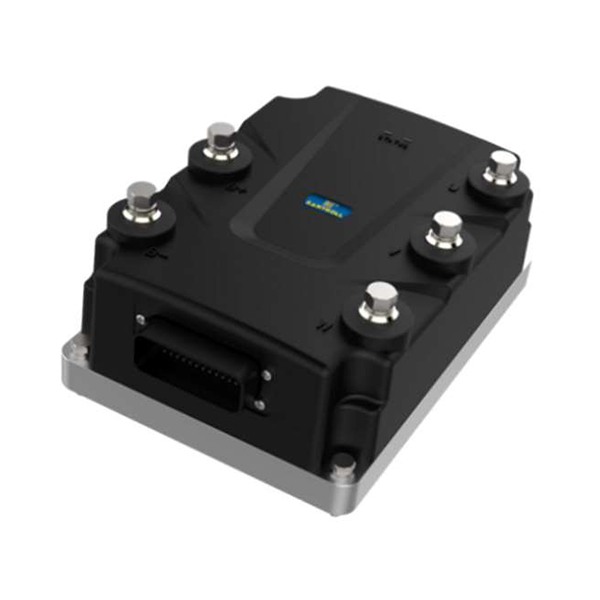
Let me start with a definition: an ac motor controller manages how an AC motor gets power and how it responds to commands. At first glance it just converts input to the right waveforms — but under load, timing, heat, and feedback loops matter a lot. Traditional controllers often assume steady conditions. They use fixed PWM schemes, simple torque control algorithms, and basic thermal limits. That model works in textbooks. In the field? Not so much. I’ve seen units fail because they couldn’t adapt to varying loads. Torque spikes—especially at low speed—create stress and audible chatter. Look, it’s simpler than you think: mismatch between control assumptions and real load behavior kills performance.
So what specifically fails?
When I map failures I usually spot three recurring flaws: poor sensor fusion (bad or delayed feedback), under-designed power converters that overheat, and control loops that were tuned for lab conditions rather than real machines. These problems show up as oscillation, slow response, or sudden trips. I’ll get into the hidden user pains next — because once you see how users experience these faults, the engineering choices become clearer. — funny how that works, right?
Looking Forward: Practical Paths and Choices
Now I want to shift perspective and look ahead. We’re moving from patchwork fixes to smarter, adaptive motor control solutions — and that phrase matters because it signals a systems view. For future-ready drives, I expect wider adoption of model-based control, better thermal management, and tighter sensor integration. Case studies already show energy savings and smoother operation when controllers include adaptive observers and dynamic torque limits. In practice, that means more robust performance across varying loads (and fewer panic calls at midnight). I’ve tested a few systems and the trend is clear: better control logic plus sensible hardware wins.
What should you measure?
When comparing options, I use three go-to metrics: response time to step commands, sustained thermal margin under rated load, and the quality of torque control at low speeds. Measure these, and you’ll spot which designs are just marketing vs. which are engineered. Also — and I say this from experience — check how easy it is to get diagnostic data. If you can’t see what the controller is doing, debugging becomes guesswork.
Advice: Picking a Motor Control Path
To wrap up, here are three evaluation metrics I recommend when choosing motor control solutions: (1) adaptive control capability — can the controller adjust parameters on the fly?; (2) power converter headroom — does the hardware handle short peaks without thermal throttling?; and (3) diagnostics and telemetry — how deep and accessible are logs and status signals? Use these as filters. I prefer solutions that balance good hardware with transparent software — because you can fix code more easily than you can swap a burnt power stage. Weigh these points, test under real conditions, and don’t be shy about asking vendors for test logs. — it’s practical and it saves time.
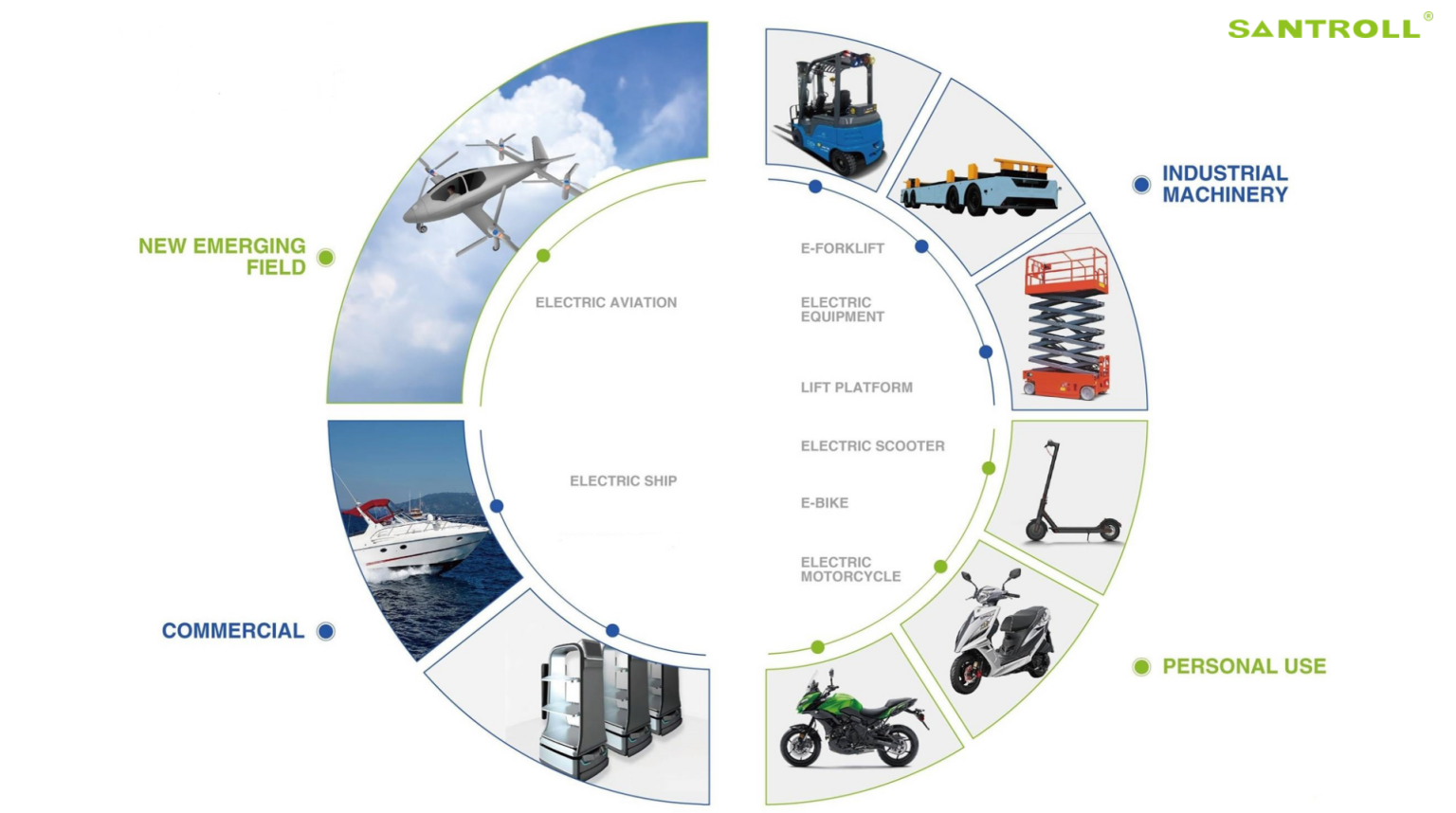
For anyone hunting reliable controllers, I recommend checking options from trusted suppliers and comparing real test data. If you want a place to start, take a look at Santroll’s offerings for a practical baseline: Santroll.