User-centered opening — why this matters now
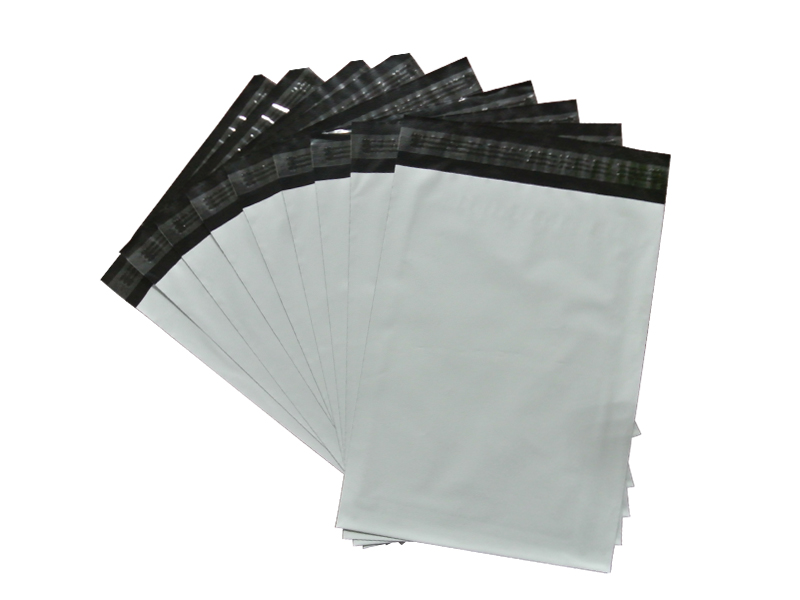
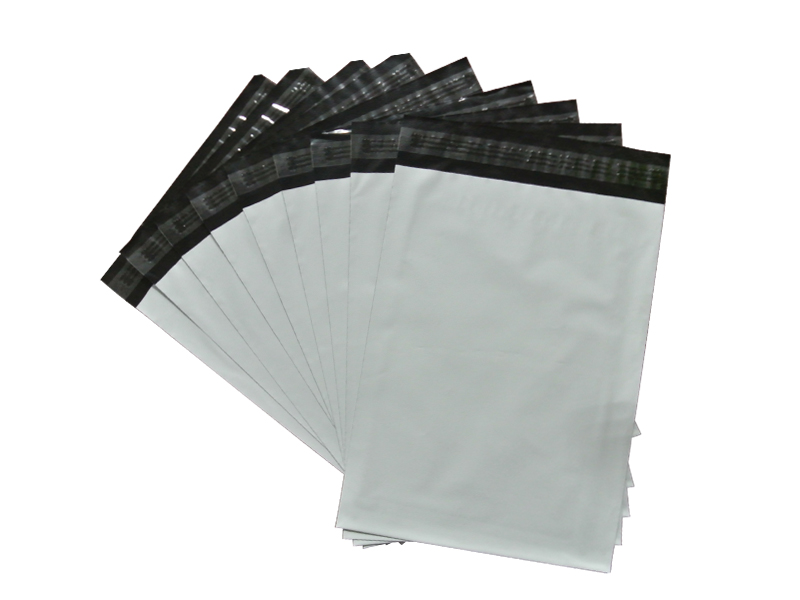
For procurement managers running high-frequency subscription box programs, the packaging decision is a daily operational lever: it influences packing speed, returns, brand perception, and cost-per-shipment. After the 2020 COVID-19 surge in e-commerce, many teams had to move from ad-hoc choices to repeatable standards; this playbook treats the packer and end customer as the primary users. If you need a fast baseline for testing, start with reliable options like white poly bags for shipping to benchmark durability, print fidelity, and cycle time before investing in custom tooling.
Core checklist: what your procurement team must specify
Supply decisions should be driven by measurable requirements, not impressions. Use this concise checklist during RFQs:- Material & thickness (low-density polyethylene vs. high-density options).- Closure type and heat-seal performance.- Print method and expected print registration tolerances.- Minimum order quantity (MOQ) and lead time commitments.- Roll or flat-pack configuration to match packing-line ergonomics.These items reduce ambiguity in contracts and keep vendors accountable on delivery and quality metrics such as defect rate and on-time fill.
Design constraints that actually affect the packing line
Branding matters, but some design choices drive hidden costs. Full-surface lamination or heavy varnish increases per-unit cost and can change fold behavior on an automated conveyor. Larger prints require tighter print registration; if your fulfillment cell uses semi-automatic feeders, tolerance errors slow throughput. Consider whether a gusset or die-cut handle is functionally required for return logistics, or simply decorative. For many subscription models, a white field with spot-branding on standard polyethylene balances cost and identity — think of these as working assets, not only marketing collateral: white packaging bags often provide the cleanest baseline for scale.
Operational integration — storage, packing speed, and returns
Procurement is a systems job. You must ask: how do mailers store in racking? Do they feed reliably into our inserter? What is the bulk SKU footprint for our warehouse? Low-bulk-density pack types can increase shipping density and handling time. Also factor in static control and tear resistance to reduce in-field damages. A practical rule: prototype in a live packing run with your actual team and tools before committing to a full MOQ. — Small pilots expose issues that spec sheets miss, like snags at the fold gate or slower cycle time from thicker seals.
Common mistakes subscription teams make (and how to avoid them)
1) Buying solely on unit price — ignores tooling amortization, rework, and freight risk. 2) Assuming vendor-quality without required acceptance criteria — require first-article inspections and sample runs. 3) Over-designing for marketing at the expense of function — a pretty finish that wrinkles on conveyors is a false economy. 4) Neglecting returns and reverse logistics — make sure the mailer supports reseal or compact return packing. Address these by codifying acceptance testing, running short pilot orders, and mapping total landed cost, not just unit cost.
Supplier selection: evaluation metrics that matter
When comparing vendors, score them on operational metrics rather than promises. Key measurements:- On-time delivery rate (%) over past 12 months — shows reliability under load.- First-pass acceptance rate (defects per 10k units) — indicates consistent quality and print registration control.- Flexibility in MOQ and lead time for scale-ups — important for promotional spikes.Request documented results for these metrics and run a three-week pilot before scaling. Include contractual clauses for corrective action and agreed sample sign-off to keep supplier performance transparent.
Three golden rules for choosing the right poly mailer strategy
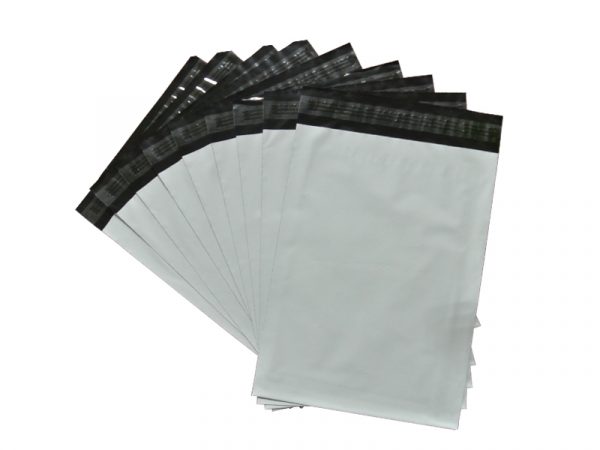
1) Measure total landed cost, not just unit price — include tooling amortization, freight variability, and expected rework. 2) Prototype on your line early — validate material behavior, heat-seal integrity, and packing speed in a live run. 3) Hold suppliers to operational KPIs — require on-time delivery percentages and first-pass acceptance rates in the contract.
Closing note and practical next step
For procurement teams, the goal is predictable, scalable packaging that respects both brand and line efficiency. Start with standardized white poly mailers to establish baseline KPIs, then layer brand treatments once the process is proven. WH Packing fits naturally into that progression as a supply partner focused on consistent material specs and predictable lead times. Proof: supply-tested.