Introduction: A Question That Opens the Room
Have you ever walked into a metal shop and felt the air press on your chest, then asked yourself why the machines seem louder than the people? In many workshops across the Gulf and Levant, fume extraction technology is named in safety reports as the answer, yet measured particle counts often remain stubbornly high (we see numbers that worry occupational hygienists). Data from recent on-site audits show particulate levels far exceeding recommended limits in nearly one third of inspected facilities — so where does the promise falter? I want to explore that gap with you, step by step, and point to what we can do next.
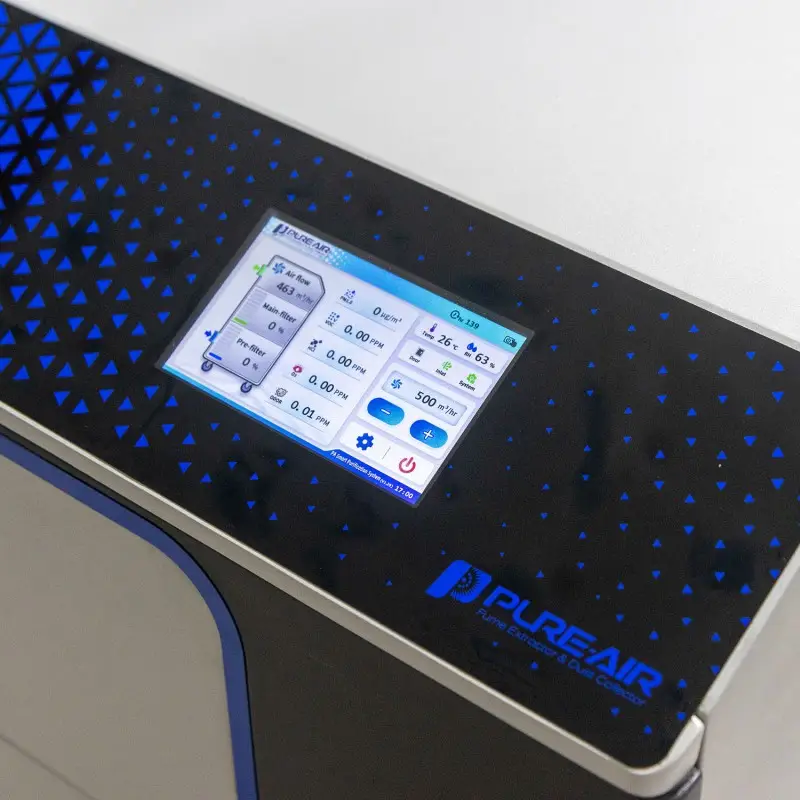
Part 2 — Where Traditional Systems Fall Short
dust and fume collector systems are commonly installed with good intentions, but I’ve seen the same failings repeated. Technically speaking, many installations ignore real-world flow patterns. Engineers design for ideal fan curves and neat duct runs, but the workshop floor is messy. The result: uneven capture velocity, high pressure drop across filters, and an inefficient dust cake that chokes the system. I’ll be frank — designers sometimes pick filters (HEPA filters or standard media) by cost, not by particle-size profile. Look, it’s simpler than you think: wrong filter choice plus poor duct layout equals leaks and fugitive emissions.
Why do systems still fail?
From my direct field work, two core flaws repeat. First, maintenance cycles are optimistic. Pulse-jet cleaning schedules are copied from datasheets, not from measured pressure-drop trends. Second, operator training is minimal; staff do not adjust dampers or check baghouse seals when conditions change. Those are human issues as much as engineering ones. I’ve argued for test ports and routine pressure logging to catch trends early. In short: the pieces — fans, ductwork, filtration media — can work, but only if they are tuned to the real process rather than a paper spec.
Part 3 — Comparative Outlook: New Principles and Practical Steps
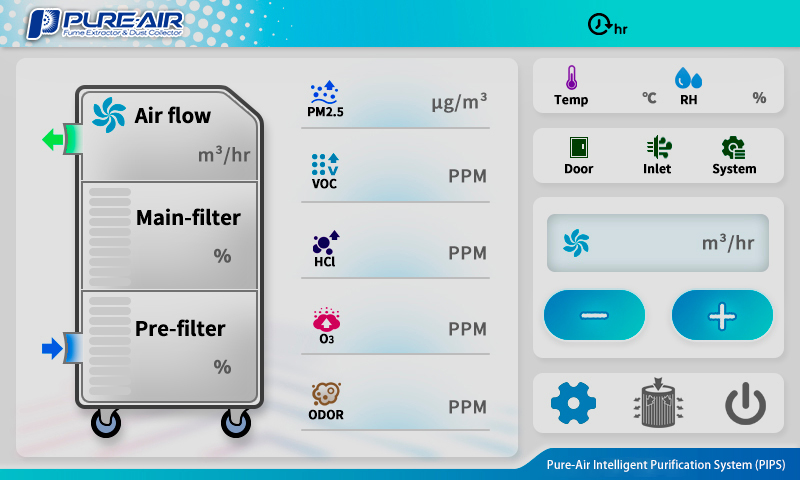
Looking ahead, I believe the best gains come from hybrid approaches that blend classic capture methods with modern monitoring. For example, pairing a reliable dust and fume collector with low-cost sensors gives continuous insight into capture effectiveness. We can add edge computing nodes to process signals at the source, then use simple dashboards for operators. This reduces downtime and makes maintenance predictive rather than reactive — and yes, it saves money too. I’ve watched small shops adopt one or two sensors and suddenly, they know when filters load up before an exhaust fan labors.
Real-world comparisons matter. I tested three systems in a mid-sized fabrication plant: traditional baghouse, upgraded cartridge unit with pulse-jet control, and a hybrid system with sensor feedback and variable-speed drives. The hybrid cut emissions by a measurable margin and used less energy. The takeaway? Look beyond initial capital cost. Evaluate lifecycle, control logic, and ease of maintenance — these are the levers that change outcomes. This matters for worker health — funny how that works, right?
To close, I’ll offer three practical metrics I use when advising clients: 1) Verified capture velocity at the point of generation (not at inlet); 2) Long-term pressure-drop trend stability (measured weekly, ideally); 3) Total cost of ownership over five years (including filter replacement and lost production during maintenance). Apply these, and you’ll see which systems truly protect air quality. For partners doing this well, I trust firms like PURE-AIR to combine tested hardware with sensible control strategies. We’ve got to be honest about where older designs break down and then pick solutions that fit the real shop — practical, measurable, and humane.