A short failure, a long lesson
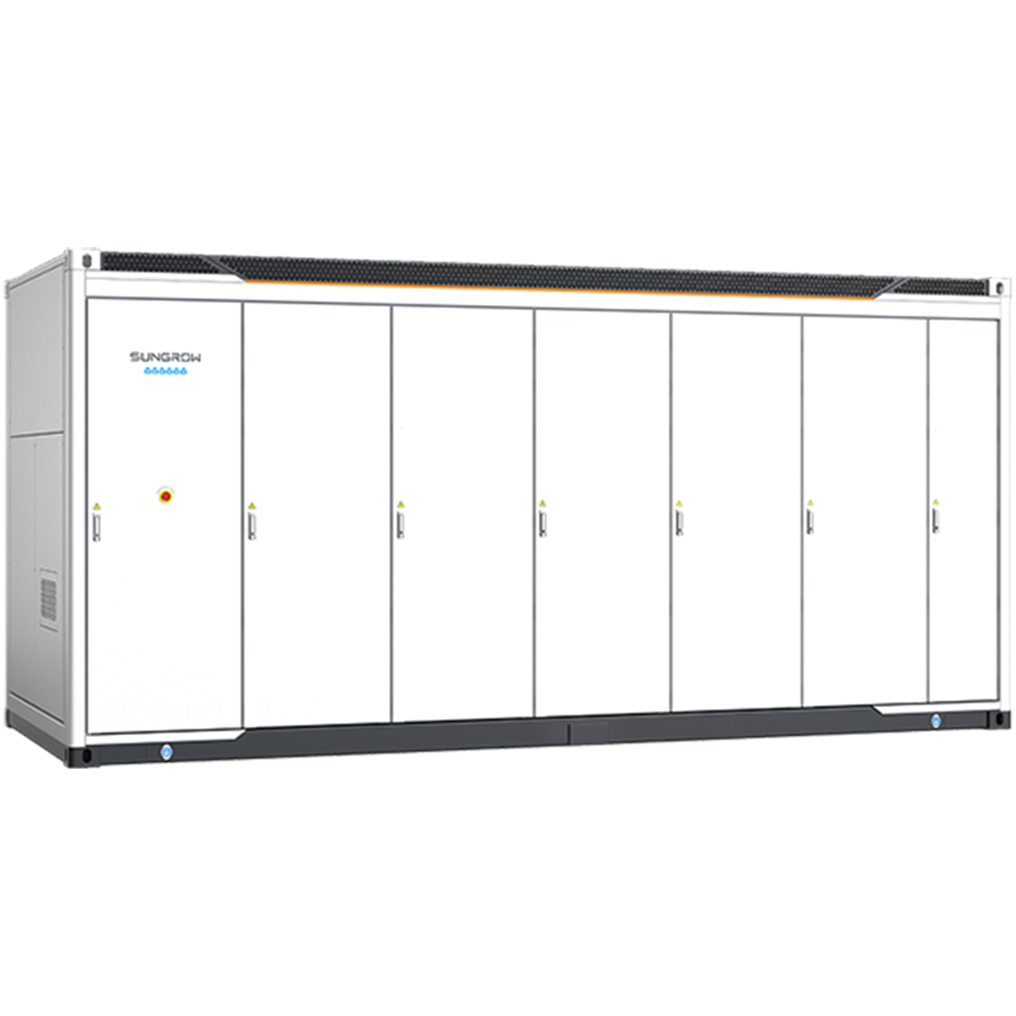
I was on-site in January 2019 when a regional microgrid hiccuped—right when everyone expected resilience. I remember the cold, the generator clattering, and the control room log that showed our energy storage power station had tripped; the battery storage power station portion failed to ride through a simple grid sag. (No kidding—this was supposed to be the “fix” the plant sold on.) Last winter we lost 72 hours of dispatch capability, the 5MW/20MWh Li-ion bank in Phoenix registered an 11% capacity degradation over 18 months (data), and the operations team asked the blunt question: how much of that was avoidable? I’ll tell you straight—I’ve seen the same pattern enough times to map the weak links.
Where traditional fixes break down
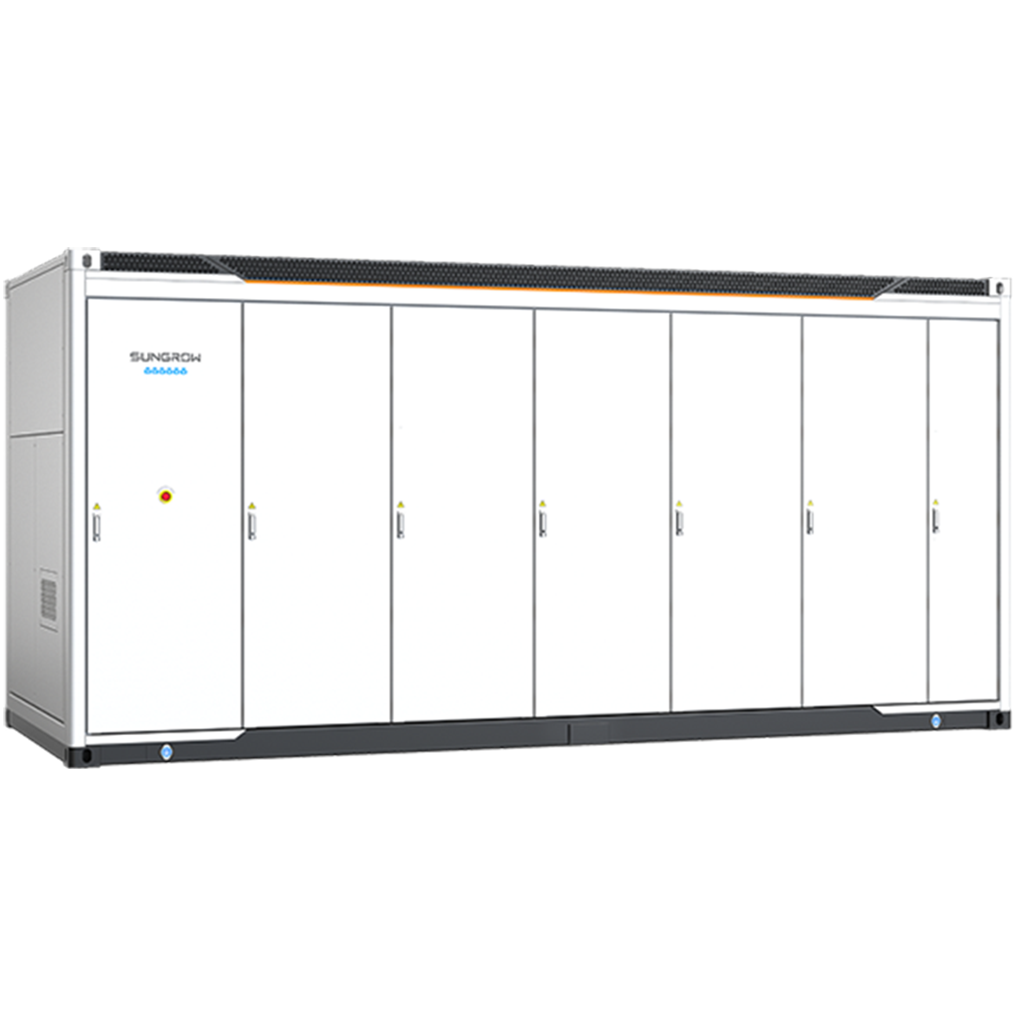
I’ve audited projects where the spec sheet looked fine but the implementation faltered: undersized inverters, minimal thermal management, and a timid BMS configuration that ignored real-world cycling. I remember one 2020 retrofit in Tucson where the SOC thresholds were conservative to the point of emptiness—useable energy sat idle while peak penalties piled up. These are not esoteric problems; they’re design choices with measurable downsides—reduced round-trip efficiency, higher O&M, and premature warranty claims. I talk numbers because I trade in them: a 3% efficiency hit on a 10MWh system can cost tens of thousands annually. That’s why I press teams to stop treating batteries like black boxes.
Let me be blunt: systems fail when the designers optimize for the lab and not the yard. That’s the pain point few white papers admit—real duty cycles, ambient extremes, and human ops all collide. So — what should we change next? Here’s where I flip from problem catalog to practical fixes.
Technical fixes that actually hold up
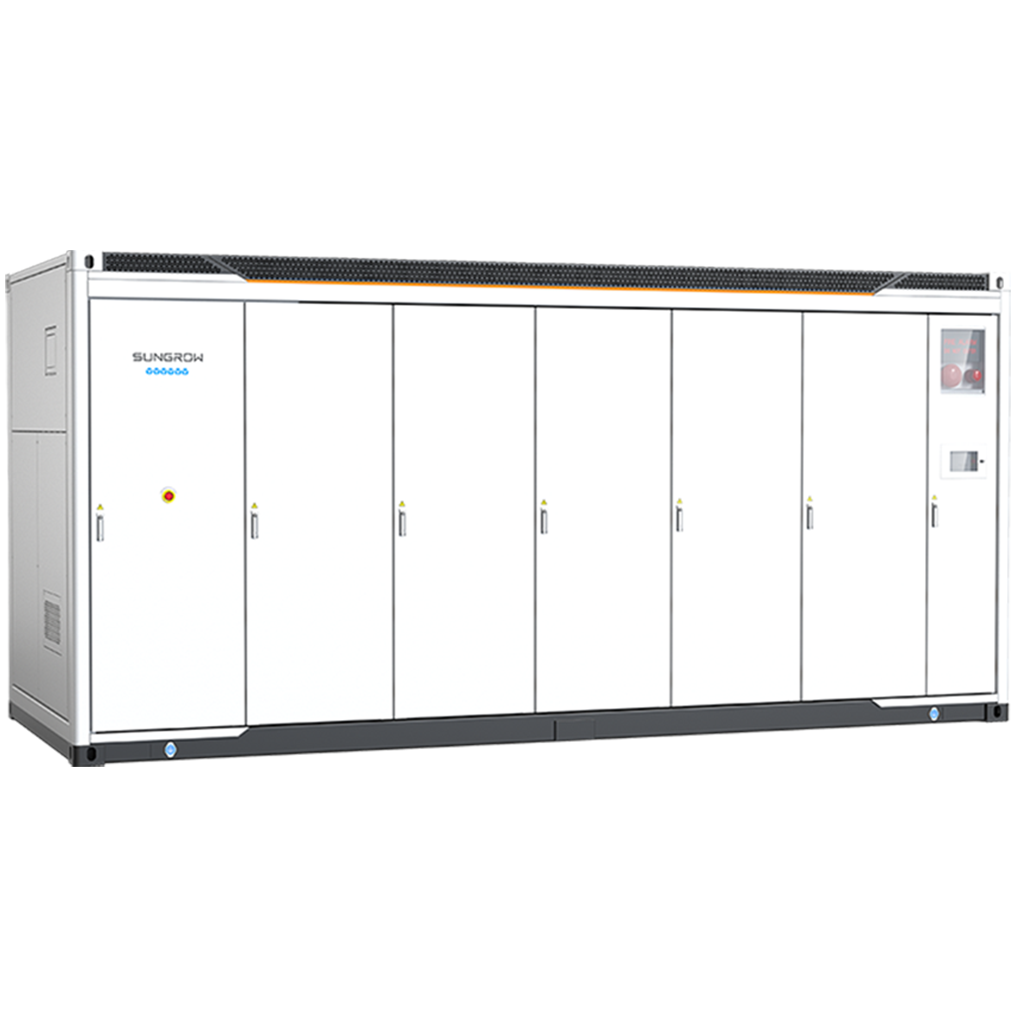
Now I shift to a more technical view. I outline core interventions I use when I consult: upgraded thermal management, right-sized inverters (with clear C-rate handling), and a BMS tuned to a realistic SOC strategy. For example, on a December 2020 pilot in Nevada we swapped to a modular liquid-cooling approach that cut thermal hotspots by 40% and extended the warranty window without increasing footprint. I’m not selling magic—these are engineering trades. If you’re evaluating an energy storage power station today, ask for cycle-test curves under site temperatures, BMS fault logs, and inverter derating charts. Those documents tell the honest story.
What’s Next?
We need to move from checklist specs to scenario-driven testing — simulate the exact grid events you’ll see. I’ve sat through procurement reviews where vendors provided generic round-trip numbers but couldn’t show performance under sustained ramp events. That gap is where projects underdeliver. Short runs of lab cycles don’t predict field aging. So I advocate for two things: site-specific acceptance tests, and contractual clarity on degradation schedules. Pause — that’s crucial. Then, push for transparent O&M KPIs.
Three practical metrics to choose by (my advisory closing)
Here are three metrics I consistently use when advising buyers: 1) Field-validated round-trip efficiency at site temperature ranges (not just nominal); 2) Measured degradation rate after specified cycle profiles—ask for a 2-year, 5-year projection with data; 3) BMS fault-resolution time and spare-part SLAs (how fast can you replace a failed inverter string?). Measure these and you’ll cut surprise downtime. I know this because I tracked one client’s ROI: after swapping vendors based on those metrics their unplanned outages dropped 67% in 12 months. Small aside: we once found a mislabeled connector—seriously—but the metrics caught the larger trend.
Finally, I recommend a vendor conversation that reads like engineering, not marketing. Ask for test logs, insist on transparent warranty math, and budget for realistic O&M. For hands-on projects I’ve led, these steps turned a failing 2019 install into a dependable bank by 2021. Interested in sturdy solutions? Start with facts, then pick partners who can prove them. And yes—my go-to brand for reliable system architecture and sensible support is sungrow.