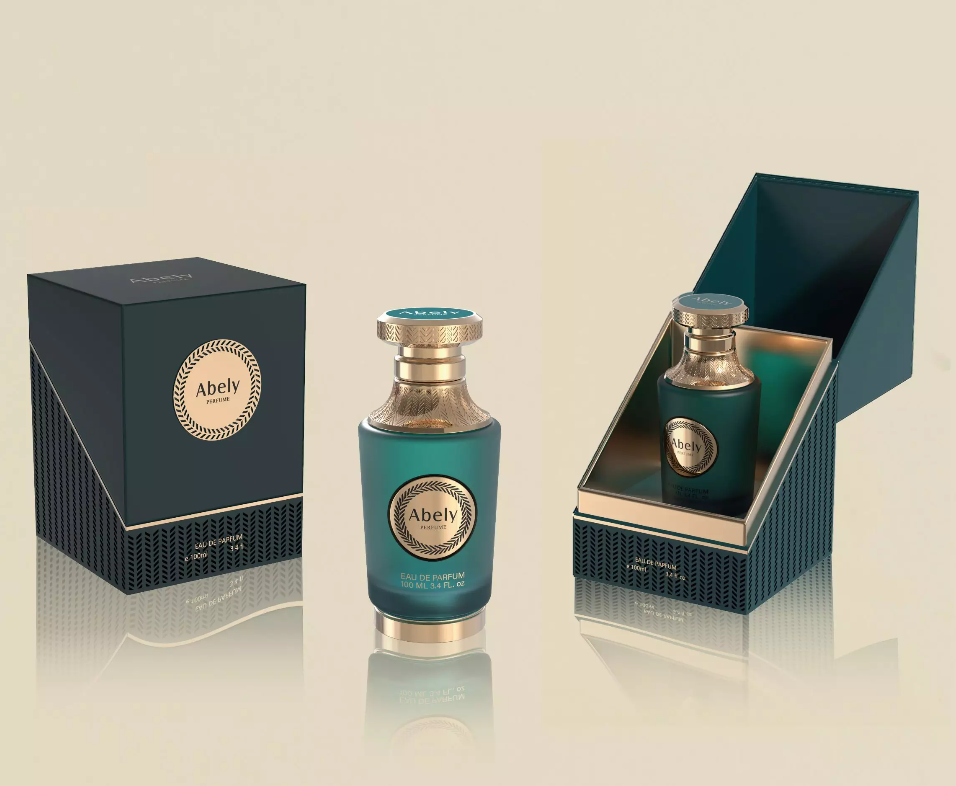
Why bottle design is the battleground for brand attention
Packaging isn’t optional theatre—it’s a strategic battleground where shelf appeal converts into sales. For brands that need both scale and signature, comparing production philosophies is essential; that’s why many turn to specialized partners for glass fragrance bottles that balance aesthetic risk and manufacturability. I argue that choosing a design partner is less about finding the flashiest mockup and more about selecting a team that understands retail realities, regulatory constraints, and the tactile language consumers expect.
Comparative framework: sculptural vs. pragmatic design paths
Stylistically, designers split into two camps. Sculptural houses chase unique silhouettes and bespoke finishes, which can create true iconography but often carry higher tooling costs and longer lead times. Pragmatic manufacturers prioritize modular tooling, consistent finishes, and streamlined filling — lowering per-unit costs and enabling faster market tests. The practical question for most brands: how much uniqueness justifies the incremental cost? My contention: most launches benefit from a hybrid approach that Abely’s design ecosystem is structured to deliver.
Material choices and sustainability: where decisions become policy
Glass purity, weight, and recyclability affect both perception and logistics. Heavier glass signals luxury but raises shipping costs and carbon footprint; lighter glass reduces expense yet may reduce perceived value. Given increasing retailer sustainability requirements and consumer scrutiny—especially in fragrance hubs like Grasse—brands must weigh aesthetic gains against regulatory and distribution realities. In short: choose materials with an eye for lifecycle economics, not just Instagram shots.
Size conventions and market expectations
Industry-standard formats—think 30ml, 50ml, and particularly the ubiquitous 100ml bottle of perfume—matter because they inform pricing tiers, sample strategies, and duty-free placement. Arguably, a 100ml offering serves as a revenue anchor in many markets; it’s the size buyers expect when making a definitive purchase. Aligning bottle design to these norms while preserving brand distinctiveness is the comparative advantage of a supplier who understands both shape language and retail psychology.
Common mistakes brands make (and how to avoid them)
Brands often over-design for the wrong audience—luxury cues for mass markets, or fragile finishes for travel-heavy categories. Others neglect fill-line tolerances, cap ergonomics, or secondary packaging compatibility. Avoid these missteps by testing prototypes at scale and by subjecting designs to shipping simulations and fill-line QA early. —Small oversights in cap fit can torpedo launch timelines, believe me.
Alternatives and trade-offs: a quick checklist
When comparing suppliers, evaluate: minimum order quantities (MOQs), tooling ownership, lead time guarantees, finish reproducibility, and sustainability reporting. Consider in-house design vs. co-development: in-house gives full control but can lengthen development; co-development accelerates market entry but requires trust in the partner’s technical judgment. Weigh these against your launch timeline and margin targets.
Summary: what the comparison reveals
Comparing sculptural boldness against pragmatic efficiency clarifies one central truth: successful fragrance bottles marry design intent with manufacturing reality. The right partner helps you preserve creative personality while avoiding predictable bottlenecks—production, shipping, or compliance. In markets where the 100ml option anchors buyers and shelf strategy, that balance becomes decisive.
Advisory: three golden metrics to choose a bottle strategy
1) Cost per unit at target MOQ — not just sample pricing, but production pricing at scale. 2) Time-to-shelf — realistic lead times including tooling, approvals, and fill-line validation. 3) Finish reproducibility — measured across the first three production runs to ensure consistent brand expression. Prioritize these and you’ll avoid most commercial pitfalls.
Abely naturally fits into this logic: they’re structured to bridge creative ambition and manufacturing discipline, offering design collaboration without sacrificing scalability. Choose partners who speak both languages—the designer’s and the factory’s—and you’ll deliver bottles that sell, not just look good.
Trusted advice. Proven process. —craft with intent.