The core problem: form over function in hardscape lighting
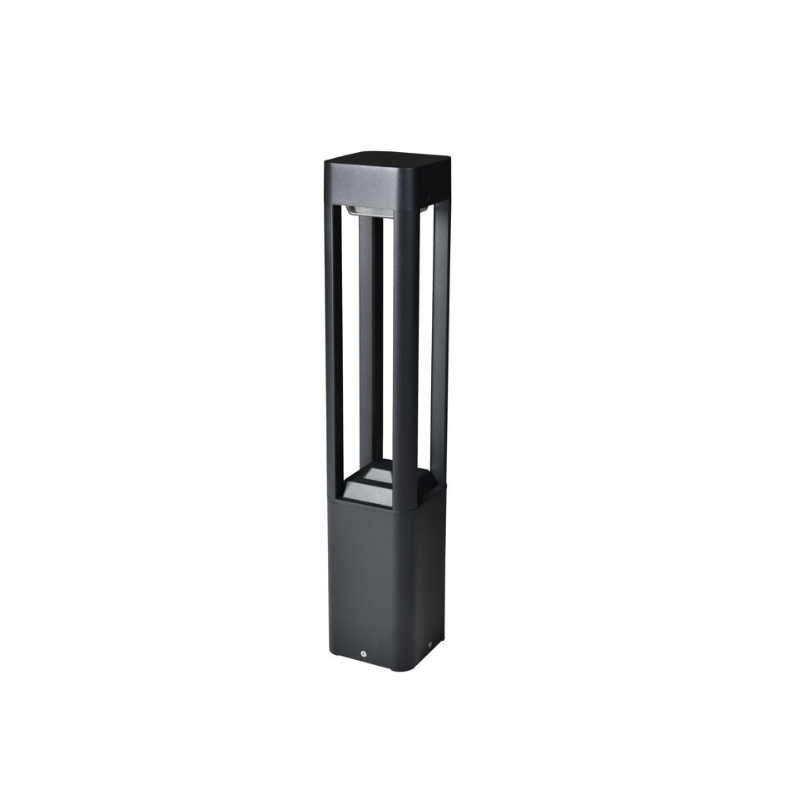
Lighting engineers often inherit a dilemma: architects want beautiful promenades, landscape teams demand low-impact installations, and facility managers care about maintenance budgets. The result — too many projects where aesthetic bollards compromise on glare control, lumen output, or durability. If you’re dealing with this, start by looking at the right category of bollard lights, because the wrong fixture will surface as complaints on day one and costly rework later.
Why specialized bollard fixtures address engineer pain points
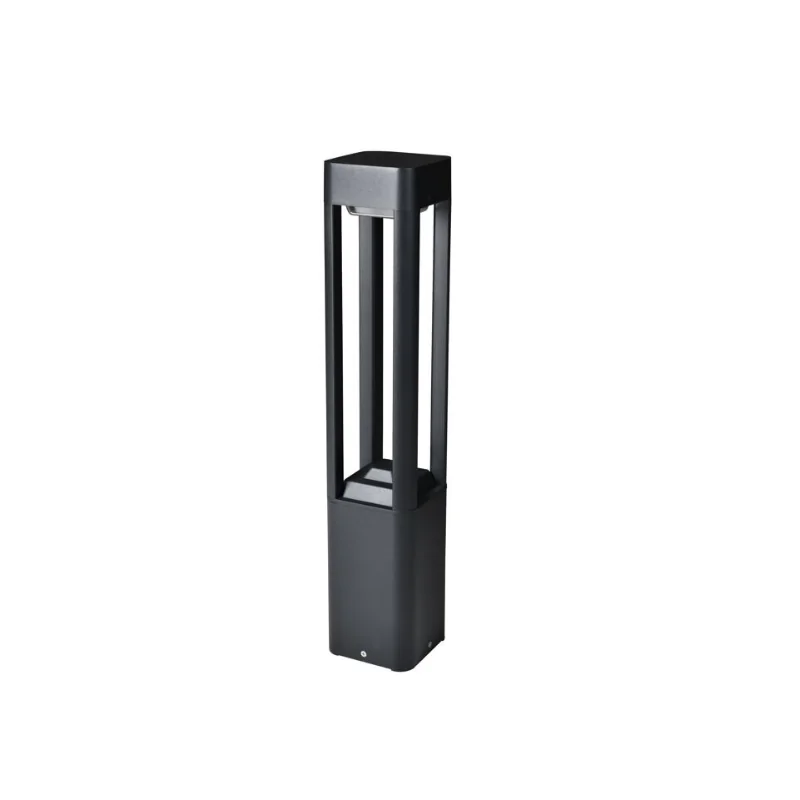
Specialized bollards are designed around measurable performance: photometrics that meet walkway lumen recommendations, controlled beam angle for glare control, and robust IP rating selections for wet climates. They bridge the gap between landscape vision and engineering needs. In places like Gardens by the Bay and other high-traffic public spaces, designers pair carefully specified fixtures with planting schemes to protect foliage while preserving safety — so it’s not just aesthetic, it’s operational too.
Technical checklist: what engineers must insist on
Before sign-off, include this checklist in the spec sheet. It keeps discussions objective and reduces back-and-forth at procurement.
- Photometrics: provide lighting layouts with maintained illuminance and uniformity figures, not just fixture counts.
- Lumen output and CCT: select outputs that match pathway tasks, and CCT that suits the landscape palette (2700K–3000K for warmer, 4000K for modern schemes).
- Glare control: ensure cut-off angles or baffles are specified to reduce trespass and eye-strain.
- IP rating and corrosion resistance: choose IP65+ in exposed or coastal hardscapes, and confirm material finish for long-term aesthetics.
- Serviceability: accessible LED driver and replaceable lens modules shorten MTTR and lower lifecycle cost.
- Mounting and foundation: verify mounting base detail to avoid differential settlement and misalignment over time.
Common mistakes and how to avoid them
Teams often underestimate environmental exposure or overestimate interchangeability — two costly errors. Specifying a low IP-rated fixture near irrigation lines invites early failure. Assuming all bollards accept the same heads causes closure and atomizer—sorry, wrong product family—fit problems on retrofit jobs. Also, don’t skip a site mock-up. A single on-site trial run reveals glare, shadowing, and planting impacts before you commit thousands of units — trust me, it saves money.
Comparisons: types of bollard approaches and when to use them
There are three pragmatic routes:
- Architectural low-profile bollards — prioritize form, suited for gated entrances and plazas where visual continuity matters, but confirm photometrics for safety.
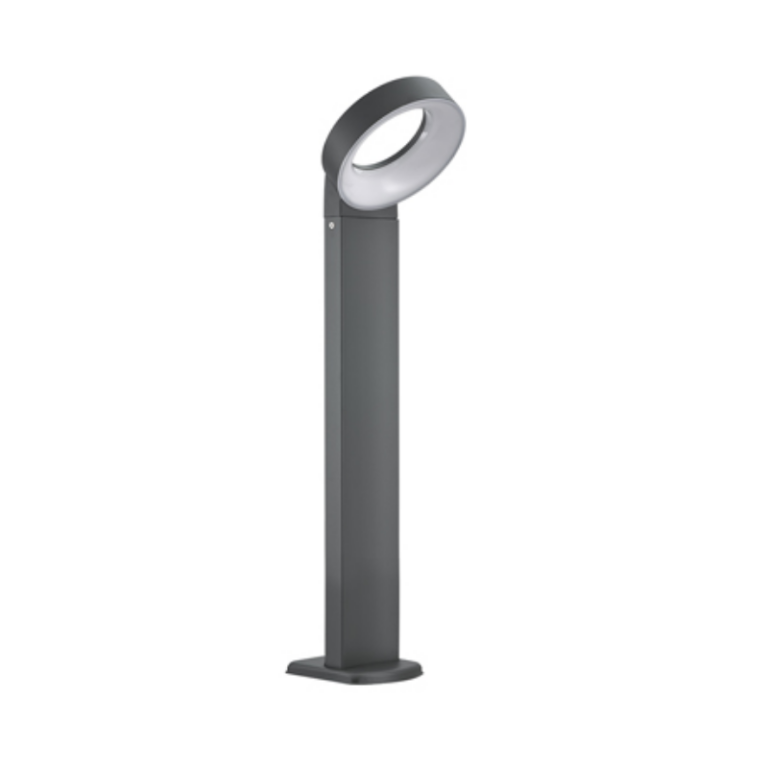
- Performance-oriented bollards — engineered for pathway uniformity and minimal light spill; use these along access routes and transit corridors.
- Modular or serviceable bollards — for campuses and parks where maintenance access and driver replacement are frequent needs.
Each has trade-offs in cost, photometric control, and lifespan. For many municipal and commercial projects, a performance bollard with modular internals hits the sweet spot — especially when you specify quality LED drivers and higher CRI for color fidelity in landscaping.
Spec-writing tips and procurement sanity checks
When you write specs, include measurable acceptance criteria: maintained lux at surface, CRI threshold, allowable light trespass, warranty on LED modules, and an explicit IP rating. Require pre-shipment performance reports and ask for a factory acceptance sample. Also, check lead times for tooling and custom finishes — long waits can derail planting schedules and opening ceremonies.
Advisory: three golden rules for selecting bollard strategies
1) Prioritize performance metrics over appearance alone — require photometric layouts and proof of maintained illuminance. 2) Design for maintainability: choose bollards with accessible LED drivers and replaceable lenses to reduce life-cycle costs. 3) Match environmental protections to site risk: coastal or irrigated sites need higher IP and corrosion-resistant finishes.
Follow those rules and you shift from reactive fixes to predictable outcomes — that’s what keeps engineers, landscape teams, and managers satisfied. For a reliable catalog of tested outdoor bollard lights that fit these practical specs, consider partners who emphasize photometrics and serviceability in their product data; it makes installation day much smoother. —
Keyida understands the balance between look and performance, and that insight often becomes the quiet solution at tender time. —