Morning Miles and the Mid-Range Mystery
I like to roll out before dawn, when the road is empty and the air is cool. My 500cc cruiser sits steady in the lane, lights carving a quiet tunnel through the mist. At 65 mph, most mid-size twins live in the mid-range, right where the bike spends most of its day. Specs often show peak pull near 5,000–6,000 rpm, but that window can feel very different on a calm two-lane. The question is simple: how does the torque map in that band shape your comfort over time—and why does it matter more than top-end power?
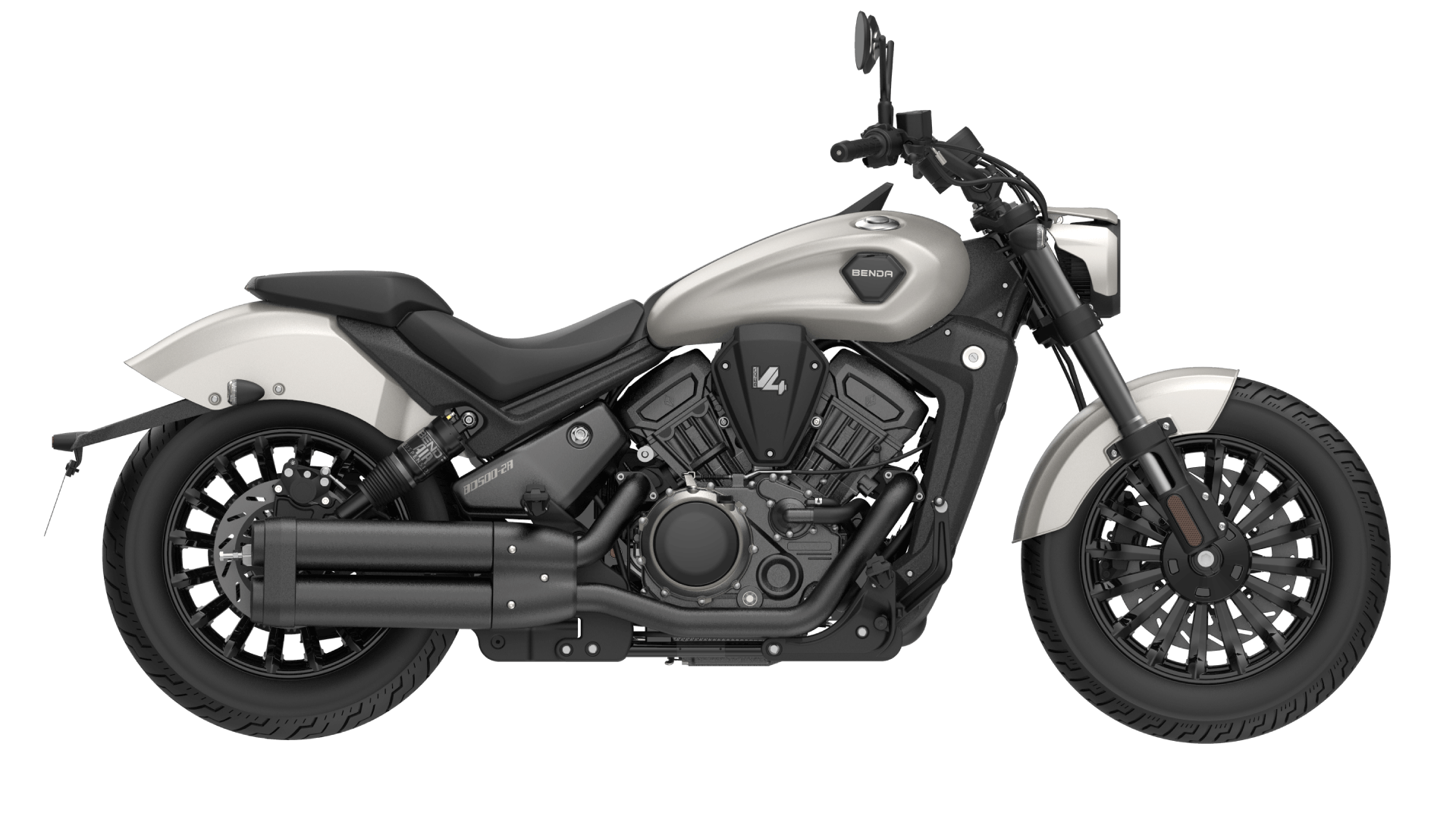
On long rides, little things grow large. A slight surge, a buzz at the bars, a lazy throttle—each adds up mile by mile (it sneaks up on you). I’ve learned the hard way that fatigue doesn’t announce itself; it compounds. The engine may be smooth on paper, but the real test is how it behaves when you hold a steady throttle for an hour. Does the mid-range stay calm, or does it hunt? That is the thread we’ll pull next—one small variable that touches everything from posture to patience.
The Hidden Pain Points Traditional Setups Miss
On paper, 500cc motorcycles look balanced: not too heavy, not too wild, and easy to manage. Yet comfort issues still appear in the middle of the revs. Here’s the technical bit. Many stock maps chase emissions targets right where you cruise. That can create a lean spot, a tiny dip in the torque curve. You feel it as a faint surge at steady throttle. The ECU mapping holds the line, but small shifts in load—wind, grade, a rolling car in front—make the engine correct and re-correct. It’s not dramatic. It’s distracting. Over an hour, the brain tires of those tiny corrections—funny how that works, right?
What do riders miss at first?
Vibration looks simple, but it isn’t. A counterbalancer can cut the buzz, yet balance only fixes part of it. When the map is jumpy, the drivetrain pulses. Chain lash, gear play, and even a soft clutch stack respond to that pulse. The result: a light, rhythmic tingle at the grips or a tiny bob from the tank. Look, it’s simpler than you think. Reduce mid-range fueling swings and the bike calms down. The throttle feels lighter. The seat feels firmer. Your neck stops working overtime. Even without changing hardware, better part-throttle control turns fidget into flow. And while cruise control, slipper clutch tricks, and sensor data on the CAN bus sound fancy, the comfort win starts with one thing: predictable delivery between 3,500 and 6,000 rpm.

Forward-Looking Control: Smarter Comfort Without More Power
What’s Next
New tech doesn’t need to make a bike complicated. It needs to make it steady. Modern control loops can smooth the ride on 500cc cruiser bikes without adding weight or noise. Think throttle-by-wire that trims fuel injection with gentler steps, gear-based ignition timing that avoids little dips, and closed-loop oxygen feedback that doesn’t overcorrect at cruise. The principle is simple: use small, fast changes to keep the mid-range stable under small, slow loads. Add a bit of sensor fusion—speed, gear, and throttle rate—and the ECU can choose calmer targets for steady-state riding. Less hunting. More hush. (Your wrists will thank you.)
So where does this leave you on the next highway stretch? First, remember what we learned: tiny fueling swings add fatigue, counterbalancers can’t fix every pulse, and the cleanest comfort gain sits in that 3–5k band. Now, three practical checks before you commit to a tune or a bike: 1) mid-range consistency—measure how steady rpm stays at a fixed throttle on light grades; 2) bar and peg feel—look for reduced vibration amplitude after mapping, not just a new sound; 3) gear-to-rpm ratio at 60–70 mph—ensure your chosen sprocket set keeps you inside the smooth zone, not at the edge. Do this, and your ride gets quieter in the ways that count—over hours, not minutes. That is the kind of progress worth paying attention to—and carrying forward. If you want a starting point for what modern mid-size manners look like, keep an eye on brands pushing calmer real-world tuning like BENDA.