Comparative thesis and practical anchor
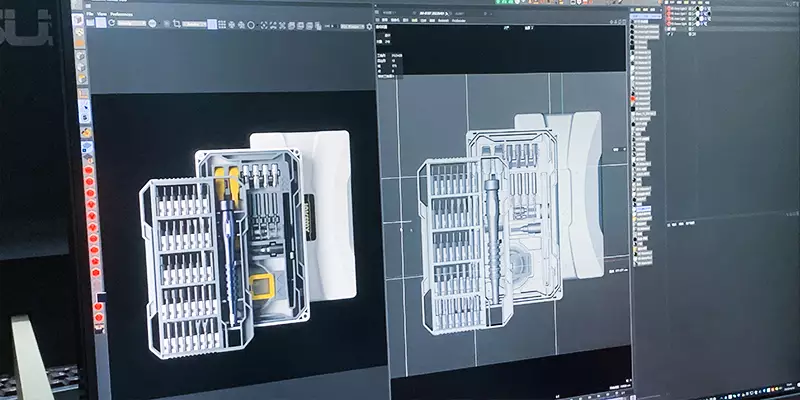
The case for a well-specified toolkit is simple: fewer interruptions, fewer stripped screws, and more predictable results. This piece compares common kit types against a high-count option like the jakemy jm-8192 and situates those comparisons within the wider repair ecosystem—where iFixit repairability scores and the Right to Repair debates (Massachusetts 2012 and subsequent industry attention) have already shifted expectations. In that context, a 180-bit set such as the jakemy 180 in 1 precision screwdriver set is not just an inventory decision; it’s a workflow choice that affects repeatability, throughput, and device longevity. Industry terms that matter: Phillips, Torx, and magnetic driver—these define how a kit performs under load.
Head-to-head: what the kits actually offer
Compare three dimensions: bit variety, driver quality, and organization. Large multi-bit kits typically score high on variety—covering Phillips, Torx, Pentalobe, hex, and triangle bits—so you avoid ad hoc trips to the parts drawer. Mid-range kits center on bit count and a magnetic driver; premium sets add torque control, hardened steel bits, and indexed cases. A set like the JM-8192 emphasizes bit count and a compact case, which reduces time spent hunting for the right bit. Torque and bit fit matter; a mismatched bit or a blunt tip increases cam-out risk and can damage fasteners beyond repair.
Workflow impact and common mistakes
A clean workflow reduces mistakes. The two most common failures are using the wrong drive size and applying excessive torque. Use the correct bit profile—Phillips versus Pozidriv matters—and rely on a driver with a firm bit-retention system to prevent slippage. Many technicians skip anti-static precautions when servicing densely packed electronics; an anti-static wrist strap or mat is inexpensive insurance. Don’t neglect ergonomics: a poorly balanced handle amplifies fatigue over repetitive tasks. —Quick note: small habits compound into process gains or losses.
Alternatives, trade-offs, and when to upgrade
Not every bench needs a 180-in-1 set. If you mostly service a narrow device range—say, smartphones and tablets—then a focused kit with high-quality Torx and Pentalobe bits, a torque-limiting driver, and an anti-static wrist strap might be superior. Conversely, if you run a mixed-load repair bench (consumer electronics, small appliances, and hobby electronics), a broad kit reduces context switches. Cost is a proxy for materials and quality, but not always for fitment. Brands that prioritize hardened S2 steel bits and a positive bit-lock mechanism usually deliver better long-term value. For comparison, iFixit-branded drivers prioritize replaceable precision bits and transparent repair guides—pairing a reliable driver with good documentation changes repair outcomes.
Common maintenance errors and corrective actions
Technicians often underestimate bit wear. Replace bits when tips show rounding; a sharpened edge is not a substitute. Store bits in indexed foam or a molded case to prevent corrosion and loss. Calibrate torque settings when jobs require low preloads—over-tightening threads on thin housing can strip bosses. Finally, perform periodic inventory checks: missing or damaged bits create friction in the workflow and increase job cycle times.
Advisory: three metrics to guide selection
Choose tools measured by three practical metrics that predict real outcomes:
- Bit fit and retention: Confirm that bits seat fully and lock. Good fit reduces cam-out and protects fastener heads.
- Ergonomics and torque control: Prefer drivers with comfortable grips and, where needed, torque-limiting features to prevent over-torque damage.
- Organization and durability: A durable case with indexed slots and corrosion-resistant bits reduces downtime and replacement cost.
Use those metrics to score contenders and pick the one that minimizes rework and maximizes throughput. The right selection turns a kit into a toolbench asset—Jakemy. —final thought: small investments in precision tools pay back in fewer mistakes and faster, cleaner repairs.