Introduction — What’s actually costing you time?
Ever stood at the shop floor and wondered why a job that should take an hour drags into a day? I see that all the time: a mix of missed setup steps, finicky fixturing, and machines idle when they shouldn’t be. For 5 axis CNC machining center manufacturers this is not theory — it’s lost hours and missed delivery dates (we’ve tracked downtime and it adds up fast).
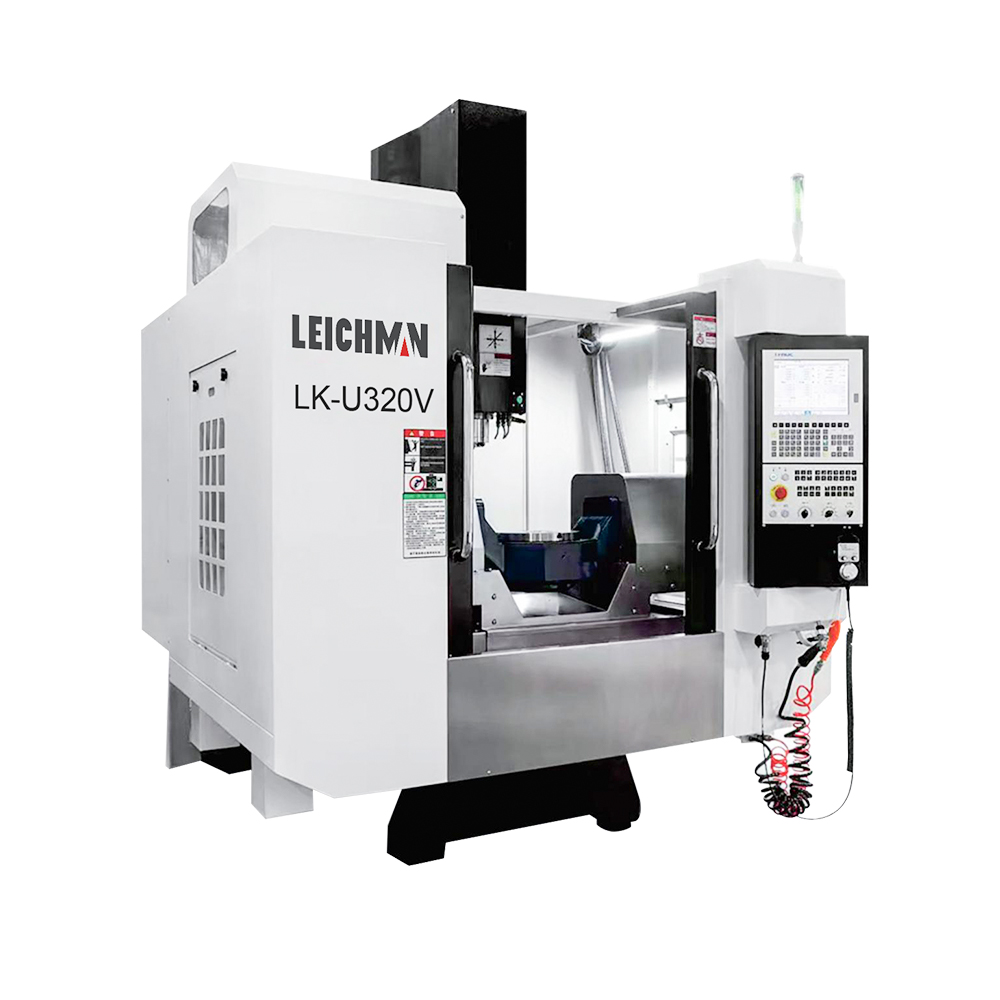
Here’s a quick scene: a new part arrives, the CAM programmer hands over toolpaths, the operator mounts a fixture, and the clock starts. Yet after data checks and a couple of dry runs, the cycle still stalls. Where did the time go? Is it the control, the tooling, the human hand-off — or all of the above? I want to walk through the facts and a few simple fixes so you can see real gains fast. Let’s get into the root causes and what we can do next.
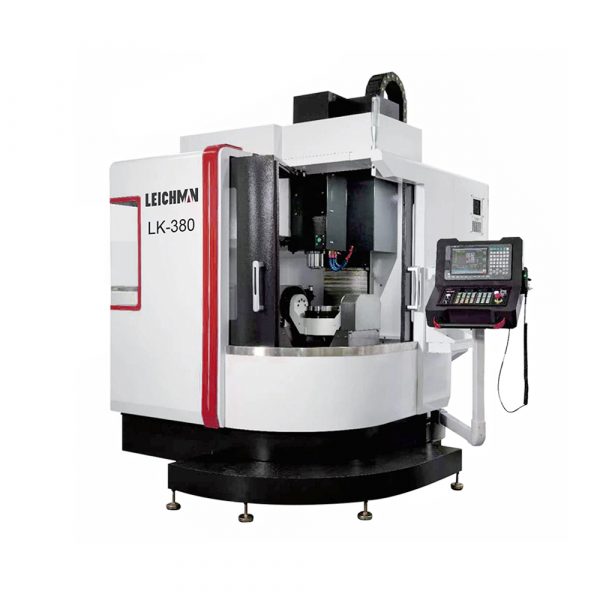
Why traditional solutions fail for the simultaneous 5-axis machining center
simultaneous 5-axis machining center setups promise flexibility, but many shops treat them like 3-axis machines with extra motion. That mismatch is where problems start. I’ve watched teams rely on old fixturing habits and expect the machine to compensate. It doesn’t. Toolpath interpolation, axis kinematics, and spindle torque limits all interact. When you ignore those, chatter, cosmetic defects, and rework follow. Look, it’s simpler than you think — but you have to look at the full chain: CAM output, post-processor, controller limits, and the fixture itself.
Where does the real pain hide?
Here’s the technical bit, plain: post-processors can insert moves that the controller will slow down to protect torque. Thermal drift shifts the workpiece a few tenths over long runs. A rigid but poorly indexed fixture still allows micro-movement under peak loads. I’ve logged examples where poor tool selection and aggressive feeds triggered protective decel, wasting minutes per cycle. Those minutes become hours across a production run. We need to stop patching and start aligning toolpath strategy with machine physics — thermal compensation, tool changer reliability, and control loop tuning matter. If you skip that, you’ll keep firefighting. I’ve been there. We fixed one line by tuning spindle torque curves and reworking toolpaths; output rose 18% in a month.
New principles and a practical outlook for 5 axis cnc universal machining center use
Looking forward, I favor a few simple principles over flashy promises. First: design toolpaths with axis kinematics in mind. Second: make fixture repeatability measurable. Third: tie CAM and controller settings to real spindle and feed limits. When I say “measureable,” I mean gauges, quick-check probes, and routine thermal checks — not guesses. Applying these to a 5 axis cnc universal machining center changes outcomes. You reduce scrap. You lower cycle-time variance. You get predictable finishes.
What’s next — real-world impact?
Case example: a small aerospace supplier we advised replaced a loose clamping workflow with indexed dovetail fixtures and updated their post-processor to respect dynamic feed limits. Cycle times dropped. First-pass yield climbed. The lesson is simple: match your CAM’s assumptions to the machine’s reality — tool changer capacity, g-code smoothing, and thermal compensation settings all have to line up. I’m not selling a silver bullet — this takes work — but the payoff is clear. — funny how that works, right?
To choose the right path, judge solutions by three core metrics: repeatability under load, control-response fidelity, and ease of verification on the floor. I use those measures every time I recommend a change. If you want a reliable partner to audit your line, start by checking those three things and then iterate. For practical gear and systems I trust, take a look at Leichman — they build hardware and controls that meet these needs without the fluff: Leichman.