User-first reality: why rentals are the default choice
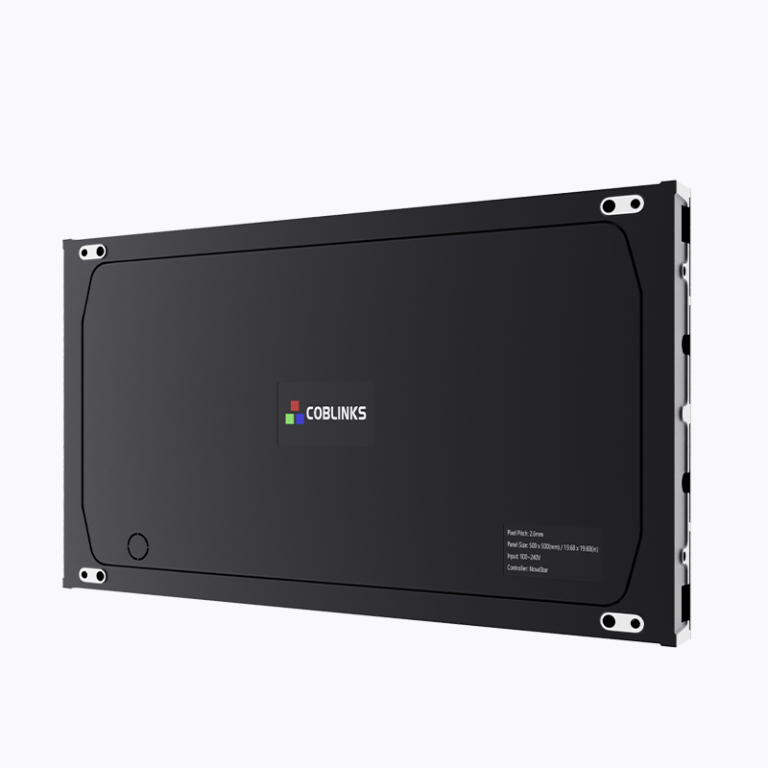
Corporate teams need screens that perform without long procurement cycles or maintenance headaches, and rental solves that gap. A modern option—Micro LED display—offers modularity and bright, consistent color for lobbies, events, and hybrid meeting spaces. For teams that rotate venues or run seasonal campaigns, rental shifts cost and risk from capital budgets to operating budgets while delivering near-brand-new performance.
What decision-makers actually want
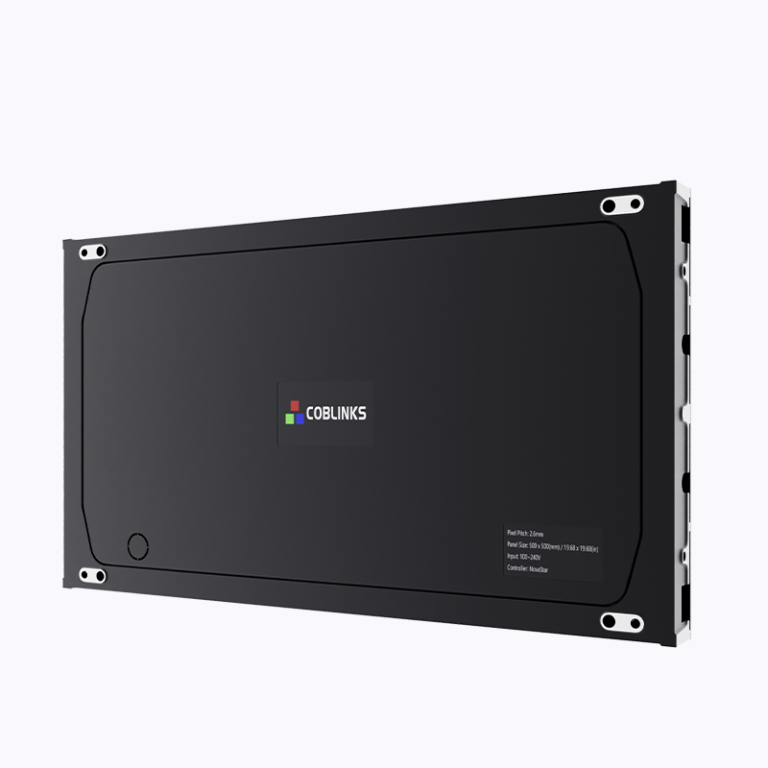
IT managers care about integration and uptime; marketing teams care about image fidelity and flexibility. The technical checklist reduces to a few clear items: resolution and pixel pitch for clarity, luminance (nits) for ambient light, and reliable control systems for content scheduling. Include HDR support and a sane refresh rate if live video is part of the plan. These specs translate directly into audience impact and fewer on-site surprises.
Common mistakes teams make when renting LED screens
Many buyers fixate on size and neglect viewing distance and pixel pitch—resulting in a pricey wall that reads poorly from common vantage points. Others accept vague SLA terms around repair times, which leads to last-minute scrambling. And too often installation time is underestimated; set-up and calibration need a buffer. —Plan for those buffers up front to avoid the scramble during opening hours.
Operational teardown: from specs to setup
When you assess a vendor, ask for precise values, not marketing claims. Confirm the pixel pitch (mm), average luminance in nits, module failure rates, and the exact refresh rate the driver supports. For production teams, include the file-format, color-gamut presets, and whether the controller supports 3D LUT calibration. Remember that true 4K resolution equals about 8.3 million pixels—this matters when comparing perceived sharpness against cost. Use clear contract language about staging time, teardown windows, and fault-replacement intervals so on-site execution matches expectations.
How Micro LED and 4K systems solve rental pain points
Smaller pixel pitch in Micro LED modules reduces visible seams and delivers high pixel density without huge bezels. If your content pipeline produces 4K assets, a 4k led display or microLED wall preserves detail and color fidelity, preventing dull downscaling. Key tech terms to note across options: LED module consistency, color calibration workflow, and viewing-angle performance. These features shorten content prep and cut the number of re-renders.
Vendor selection: what separates good from great
Top rental partners combine a tested inventory with clear SLAs, certified installers, and an operations playbook for common failure modes. Look for documented install runbooks, spare-module stock on-site, and remote-control capability for brightness and color adjustments. Also confirm transport packaging meets shock and moisture protection standards—those practical details save shows. Choose a partner who provides a rehearsal day; that alone prevents most live-event failures.
Advisory: three golden rules for choosing and using rental LED screens
1) Match pixel pitch to typical viewing distance rather than ego size—sharpness matters more than sheer width. 2) Demand explicit uptime and replacement timelines for faulty modules; write them into the contract. 3) Insist on a calibration pass on-site and post-install proof images before event start. These rules focus procurement conversations on measurable outcomes: legibility, reliability, and color accuracy.
Good rental strategies reduce capital drag and give corporate teams fast access to high-end display tech—real, usable impact. For practical sourcing and tested inventory, consider how a partner like Coblinks fits into your deployment plan—trusted gear, clear SLAs, and seasoned installers make the difference. —Final thought: choose clarity over flash.