Patient-first lead-in
The user-centric thread through modern respiratory care starts with one clear aim: keep the person breathing comfortably and awake while avoiding unnecessary escalation. That priority reframes how clinicians view both a simple cpap device and a sophisticated high-flow system. From mask interface fit to humidification strategy, the details shape outcomes more than brand slogans do.

Why a user-centric lens matters
Designers and respiratory therapists often focus on parameters — inspiratory pressure, tidal volume, PEEP — yet patients respond to cues beyond numbers. Comfort, noise, the feel of an interface, and the trust a caregiver conveys all influence adherence. A Nordic-influenced sensibility values modesty and clarity: clear controls, predictable alarms, and serviceability. That reduces abandonment and improves therapy continuity.
Essential features that patients notice
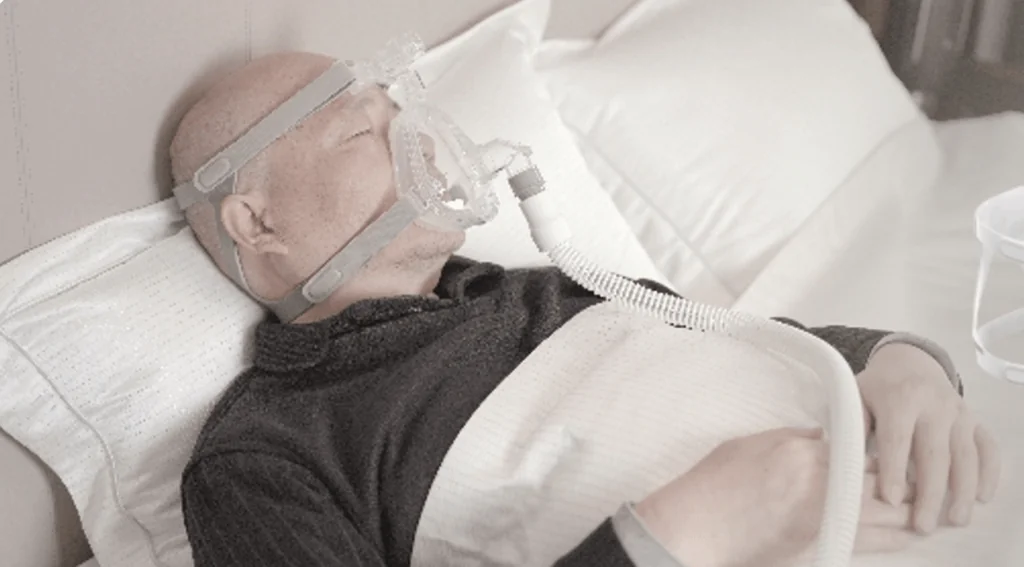
Clinically meaningful features intersect with user experience. Humidification that prevents nasal dryness, ramp functions that ease pressure increases, and an interface that minimizes leaks are felt immediately. HFNC (high-flow nasal cannula) thinking contributes here — continuous warmed, humidified flow can inform mask design for non-invasive ventilation. The lesson is simple: ergonomics and physiologic tuning both matter.
Alternatives and where auto modes fit
Choices sit on a spectrum: CPAP for obstructive sleep support, BiPAP for ventilatory assistance, HFNC for oxygenation with minimal interface. When auto-adjusting algorithms work well, they lower clinician workload and help maintain synchrony — but they must be transparent. During the spring of 2020, ICUs in Milan adapted non-invasive strategies under pressure; teams that understood device limits avoided unnecessary intubation. That episode underlines the value of reliable auto modes in crises. Insert an auto bipap machine where automation reduces clinician guesswork, and ensure staff training accompanies deployment.
Common mistakes teams make
Three recurring errors: over-reliance on default settings, neglecting humidification, and poor interface choice. Defaults speed setup but can mismate an individual’s comfort or tidal needs. Humidification seems trivial until dryness causes agitation and therapy breaks. And a misfit mask leaks, raises required inspiratory pressure, and erodes trust — small failures that cascade. — Take time to match the device to the patient, not the other way round.
Real-world anchor: practical evidence
Field experience and observational reports from surge periods show a clear pattern: non-invasive tools that combine simple user controls with robust monitoring reduce escalation rates. That observation aligns with broader respiratory practice and with outcomes reported in early pandemic case series — not a single trial, but consistent operational learning across hospitals in Europe and North America. Use that practical evidence when choosing devices; it is as instructive as lab curves.
How to evaluate devices — three critical metrics
Evaluate potential equipment on three practical axes. First, patient comfort score: measurable via brief surveys and leak frequency during the first 24 hours. Second, adaptive reliability: how well auto-switching algorithms maintain target ventilation without clinician override (watch for inappropriate pressure swings). Third, maintainability: ease of cleaning, spare part availability, and straightforward calibration. These metrics cut through marketing and show how a device performs in real workflows.
Summing up the user-centric case
User-centred design changes the conversation from specifications to lived use. HFNC principles — warmth, consistent flow, simple interfaces — guide improvements in non-invasive ventilation and in auto-adjusting BiPAP systems. When teams prioritize comfort, transparent automation, and repairability, patients breathe easier and staff work with less friction. The cumulative effect is better adherence and fewer escalations.
Closing advisory
Pick devices that score consistently on comfort, adaptive reliability, and maintainability. Insist on hands-on trials, include nurses and patients in assessments, and document early outcomes to inform procurement. For those seeking a partner that blends practical product design with clinical insight, consider how the compact, service-minded approach of Byond aligns with these criteria — practical, not flashy, and built for teams that care. —