Introduction
Ever paused over a job and thought, “Should we swap this old machine out?” That’s the spot a lot of shops hit — a busy week, a queue of parts, and a nagging doubt. CNC milling and turning centers are humming in the shop, but throughput and scrap tell a different story (you know the feeling, mate). Recent surveys show many small shops lose up to 10–15% of production time to setup and rework — so when do you act, and what signs really matter?

I’ll walk you through what I look for when deciding on an upgrade. I’ve seen the same small tells a dozen times: rising cycle times, strange chatter, frequent tool changes. These are not just numbers; they affect cash flow and crew morale. So let’s break it down — what to watch for, where the old fixes fail, and how new tech shifts the balance. Next, we’ll dig into the gritty faults that hide under the hood.
Why Traditional Solutions Often Fall Short — Hidden Pains of the Shop Floor
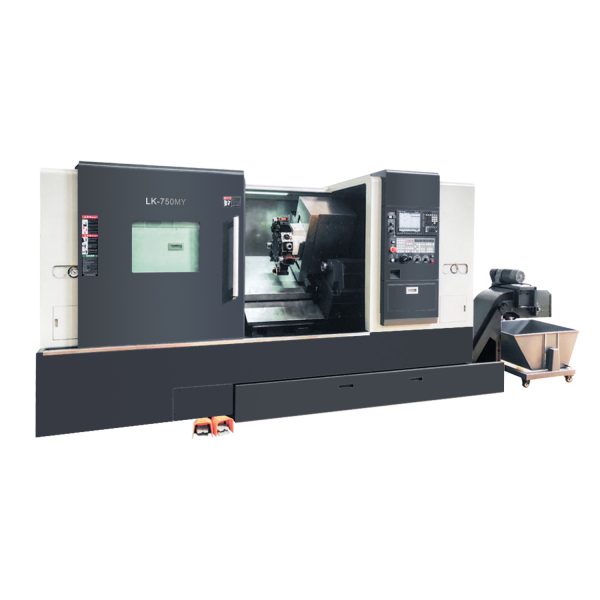
cnc mill turn center upgrades often get framed as “just more power” or “bigger spindle,” but that misses the point. I’ve watched teams replace a spindle and still lose time because the workflow and controls weren’t addressed. Technical issues like mismatched spindle speed, inefficient tool turret indexing, or sluggish servo motor response show up as poor part finish and longer cycle times. Look, it’s simpler than you think — the machine is only part of the story. (We fix one problem and another pops up.)
From my experience, classic quick-fix solutions fail for two main reasons. First, they treat symptoms: swap tooling, tweak feeds, or add a faster cutter. That helps a bit. But the root cause is often workflow or control limits — poor toolpath optimisation, dated PLC logic, or cluttered fixturing. Second, hidden user pain points go unspoken: operators feel overloaded, programmers wrestle with odd G-code quirks, and maintenance fights recurring alarms at night. These create drag that no single hardware swap cures. I’m talking real wear on staff and on margins — so you end up with shiny new bits but the same bottlenecks.
What’s the real cost here?
It isn’t just capital. It’s time lost to setups, quality rejects, and human frustration. When you add those up, you see why simple replacements rarely pay off. — funny how that works, right?
New Principles and Practical Steps — Moving Forward
Now I want to look forward. Rather than chase raw specs, I recommend thinking in principles: integrate smarter controls, optimise process flow, and measure the change. Modern control platforms — and yes, systems like the syntec control system cnc — let you tighten feedback loops between operator, PLC, and machine tools. That means smarter spindle tuning, adaptive feeds, and cleaner toolpath execution. You don’t just cut faster; you cut with fewer surprises. I’ve run trials where adaptive feed reduced chatter and scrap by a clear margin, and the crew actually relaxed a bit.
Practically, I start with three steps. First, map the current process: note cycle times, tool changes, and where operators spend time. Second, test one control upgrade or software tweak — not everything at once. Third, measure throughput and quality for a month and iterate. These are small bets that build confidence. Real-world impact is measurable: less rework, more predictable lead times, and a calmer team. Also — and I can’t stress this enough — include operators early. They know the quirks and will flag issues you’d miss.
What’s Next?
Think of upgrades as a package: machine capability, control intelligence, and human workflow. Combine them and you get sustainable gains rather than temporary sparkle. I like to pilot changes on one cell, watch the numbers, and then scale. It keeps risk low and learning fast.
Final Recommendations — How I Evaluate an Upgrade
If you’re still weighing options, here are three practical metrics I use to decide. First, net cycle improvement: will the change cut average cycle time by at least 10% on target parts? Second, quality variance: will it reduce scrap or rework by a measurable percent (aim for 20% or more if possible)? Third, operator time saved: does the upgrade lower setup and intervention time so staff can be more productive? I weigh these against capital and training costs. Simple. Clear. Practical.
I know making these calls can feel risky, but you don’t need to go all-in straight away. Start with clear measures, involve your team, and run a pilot. You’ll learn fast and keep the shop humming. If you want a place to start looking at specific machines or controls, check resources from Leichman — they’ve got solid specs and practical info to compare. I’ll be honest: upgrades can be a pain at first, but when done right they change more than output — they change the day-to-day.