Early warning signs I’ve learned to trust
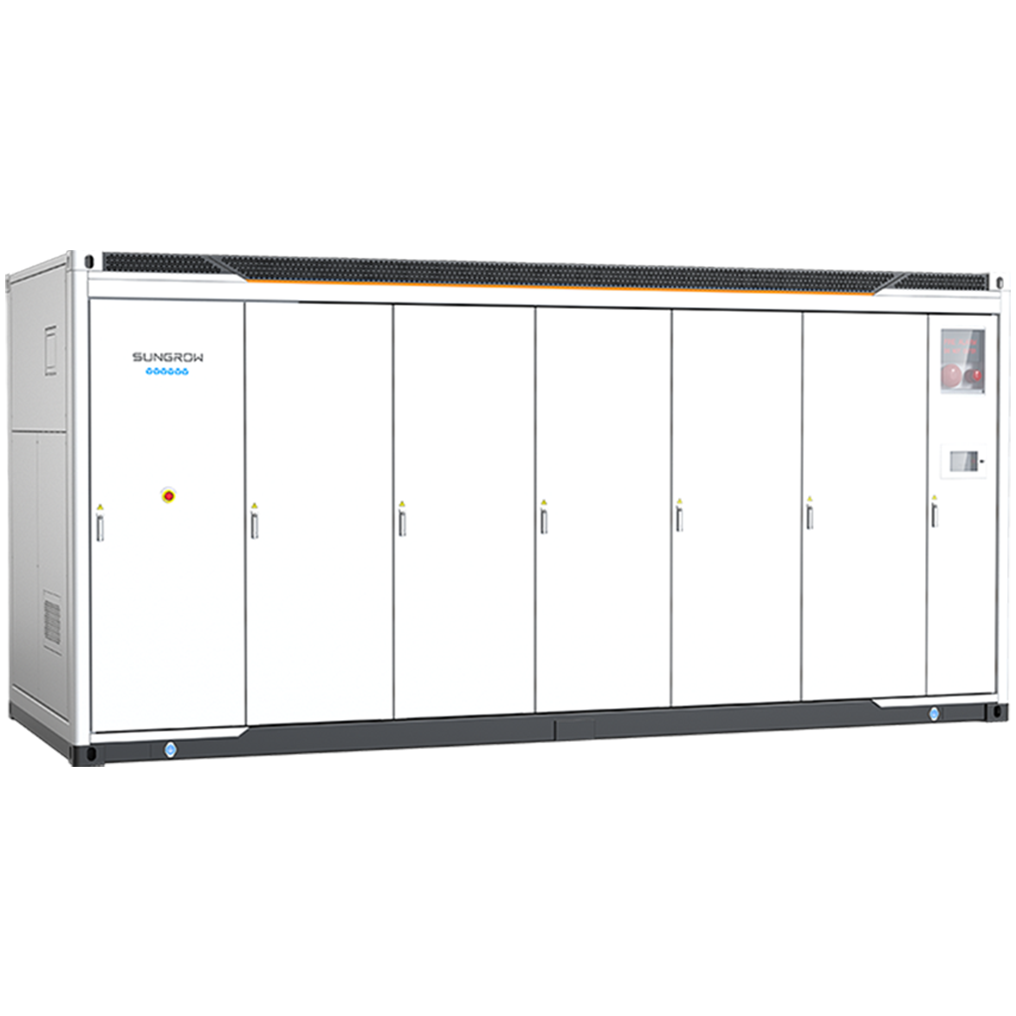
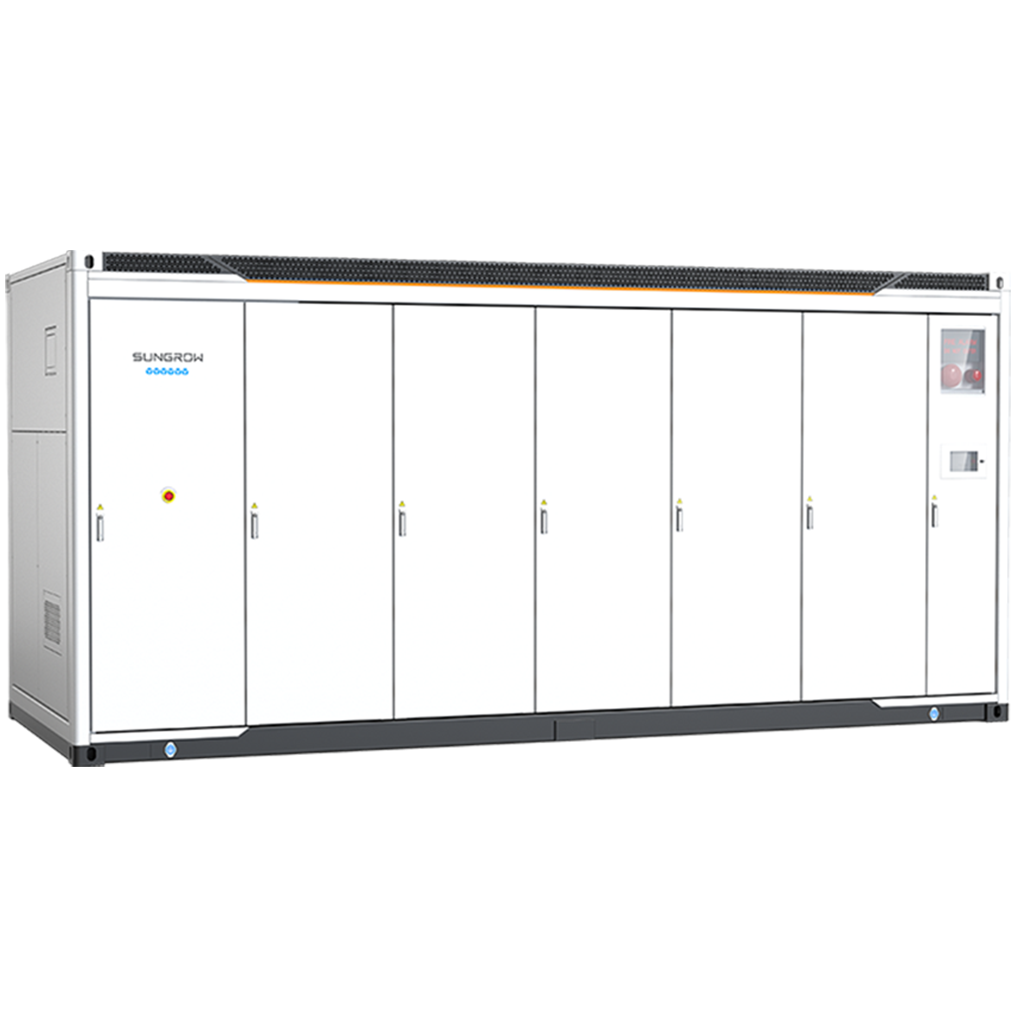
I remember standing under fluorescent lights at a desert site—an energy storage power station humming like a giant heart—and feeling that tight, cinematic knot in my chest. That battery storage power station, a 5 MWh Li‑ion rack I commissioned at the Riverside microgrid in Phoenix in March 2023, logged three inverter faults in 72 hours; what small, earlier clues did we ignore that would have kept the lights on? (I replay that week in my head.)
I’ve spent over 15 years buying, installing, and troubleshooting grid-scale systems for wholesale buyers, and I’ll tell you straight: the traditional fixes—more frequent visual checks, blanket component swaps, or reactive firmware flashes—mask the deeper pain. In one instance a missed BMS alarm (battery management system) translated into a 120 kW drop during peak demand for six hours because we hadn’t correlated minor SoC (state of charge) drift across modules to a failing cell string. That’s not theory; it cost a municipal client lost revenue and eroded trust. I’ve learned to read the quiet metrics—charge/discharge asymmetries, repeated small-current imbalances, rising cabinet temperatures that stop short of thermal runaway but indicate pending stress. These are the whispers before a shout.
Why common approaches fall short — and what truly matters
Most teams patch symptoms. They replace an inverter after a trip, upgrade firmware, and call it a day. I don’t. I dig into root patterns. We log a dozen parameters but rarely cross-analyze them: inverter event codes versus BMS state transitions, SoC variance across strings versus ambient temperature swings. That cross-checking exposed a pattern for me in September 2022—controllers would reset only when a specific vendor’s communication packet collided with a legacy SCADA poll. Fixing the poll timing cut repeated trips by 80%. Simple? Yes. Obvious? Not if you only chase the loudest alarm.
Direct: Building a better detection strategy now
We need forward-thinking monitoring that does more than alert. I propose layered detection: cell-level anomaly detection, module aggregation, and system‑level correlation with grid events. I’ve started piloting adaptive thresholds tied to operational context—cooler nights allow tighter SoC tolerances, hot afternoons widen them. And—this matters—automated cross-correlation rules that flag when an inverter error aligns with a BMS warning and a subtle SoC drift. That combo predicted two compressor-freeze events and saved a client in Tucson from a warranty claim. If you’re procuring an energy storage power station, ask vendors about their correlation tooling and whether they expose raw telemetry to your analysts. What’s next? (Short answer: better telemetry, smarter rules.)
What’s Next?
Here’s how I think buyers should move forward. First, insist on telemetry granularity: per-module currents, temperatures, and packet-level inverter logs. Second, require open APIs so your analytics team can run custom correlation rules. Third, stage acceptance tests that simulate common failure chains—for example, induce small SoC drift for one string and observe system behavior over 48 hours. I’ve done those tests at a site in Albuquerque (November 2021)—it revealed a vendor-specific communication timeout that only showed up under sequential charge cycles. That test saved us months of headaches. —I’m blunt: if you skip this, you’ll pay later.
Choosing solutions—three metrics I use every time
When I advise wholesale buyers, I focus on three measurable metrics: 1) Detection latency (how quickly the system correlates cross-layer events—target < 5 minutes), 2) Telemetry fidelity (sampling rates and resolution; aim for per-module temperature and current every 30–60 seconds), and 3) Remediation clarity (does the vendor provide actionable playbooks tied to specific correlated alerts?). Those metrics cut through marketing fluff. Use them to score proposals. I’ll add one more practical note—ask for a documented incident from the vendor with timestamps; real logs expose true behavior. I checked one such log recently—yes, it was ugly, and yes, it guided our acceptance criteria.
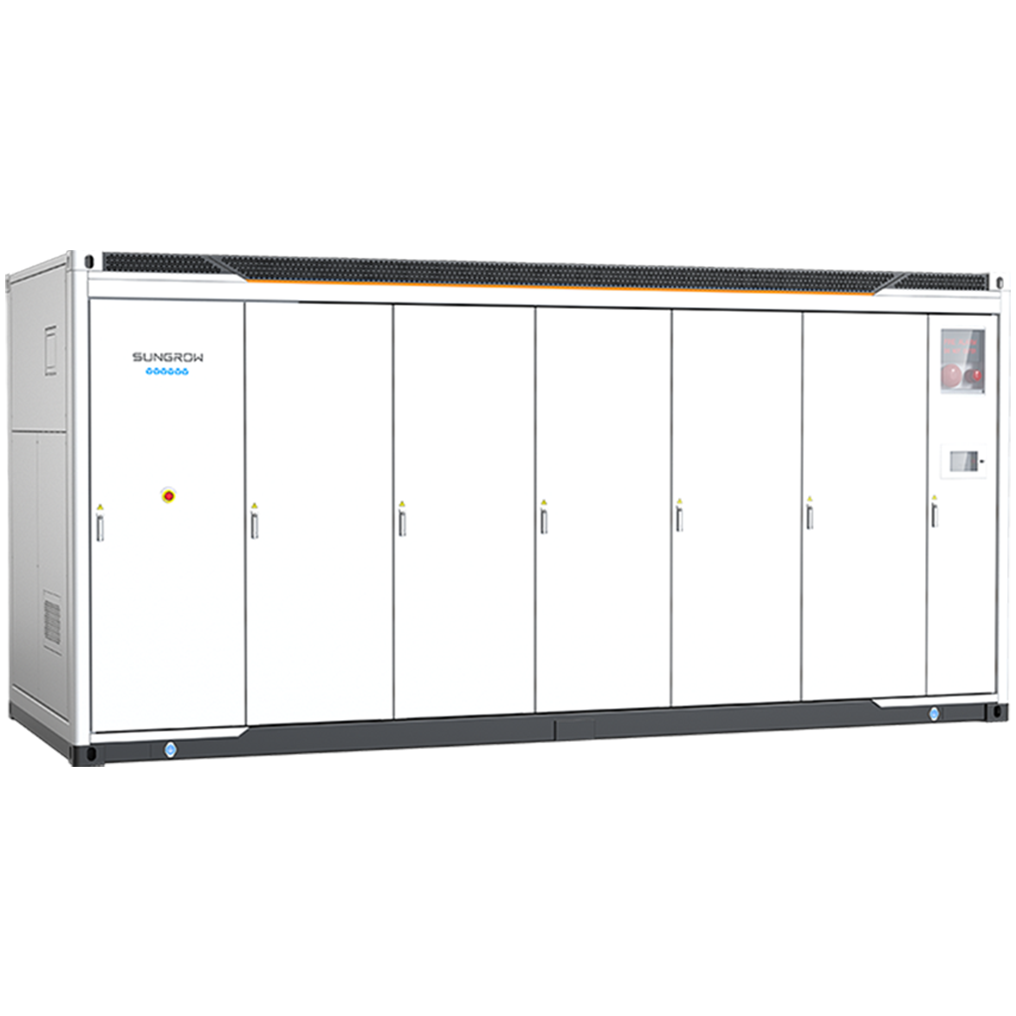
I’ve shared what I test, what failed, and what saved a client money. You’ll still need judgment—short pauses, quick calls, decisive swaps. For procurement and operations teams aiming to avoid spectacle and downtime, these evaluations matter. Final thought: when you shortlist systems, quote those metrics back to vendors and demand evidence. For further examples and vendor tooling, check manufacturer cases like sungrow—they offer documentation you can vet against your requirements.