Introduction: A Shop-Floor Moment
I once watched a machinist stop a line because a tiny tolerance drifted and a whole batch turned into scrap. It was one of those moments that make you sigh and count the hours lost. CNC equipment manufacturers are seeing tight margins and rising expectations—shops report up to 18% downtime from calibration and tooling issues alone (that was the data my contact shared last month). So I ask: how do we stop tiny problems from costing big? I write this like I’m beside you on the shop floor, talking simple truths. We’ll touch spindle speed, feed rate, and why small fixes matter. Ready to dig in? Let’s move to what hides under the hood.
Part 2 — Where Old Fixes Fall Short
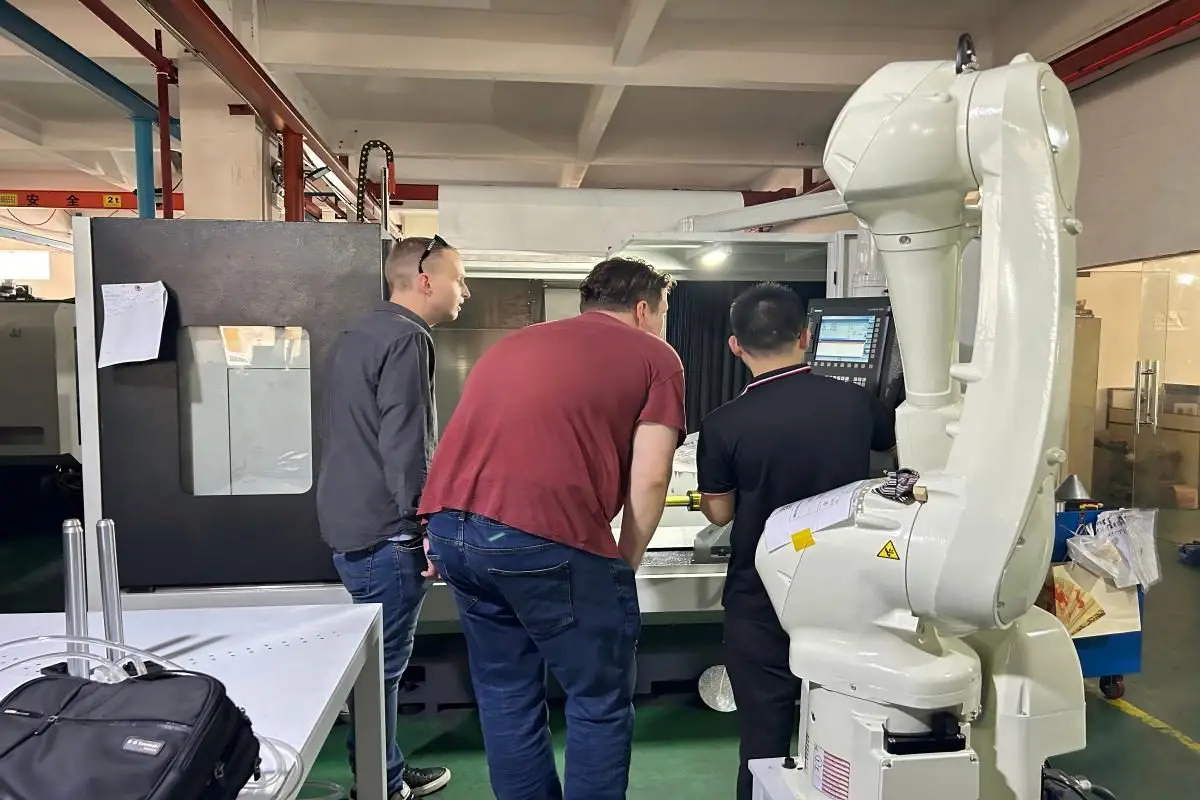
cnc machining equipment often ships with nice specs on paper, but in practice I see three recurring flaws. First, vendors rely on rigid, one-size firmware updates that ignore real shop variability. Second, control loops (servo motors and axis calibration) are tuned for ideal labs, not dusty floors. Third, interfaces still ask operators to babysit alarms instead of giving clear next steps. Those problems stack up: higher scrap, more manual checks, and frantic tool changes. Look, it’s simpler than you think — better telemetry and smarter calibration routines can chop hours of work out of a week.
Why do so many systems fail before they leave the box?
We can blame parts (ball screw backlash, poor tool changer alignment) and we can blame process (bad G-code handoffs). But I believe most failures root in expectations. Manufacturers promise repeatability; shops demand resilience. When design centers on lab performance over field robustness, you get brittle machines. I’ve seen units with great peak spindle speed that can’t hold repeatable cuts when coolant sprays or when power converters sag. The fix is not more complexity. It’s better feedback loops and simple, operator-friendly overrides — and yes, better diagnostics that don’t talk in error codes but in plain next steps. — funny how that works, right?
Part 3 — A Practical Look Ahead
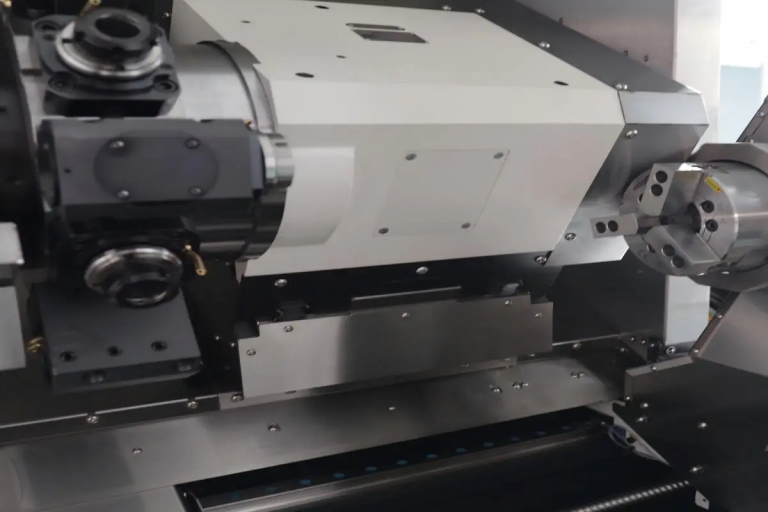
What’s Next? I want to be forward but also useful. New tooling and smarter controllers matter, but I focus on three practical shifts I think will matter most. First, hybrid edge-cloud diagnostics: machines keep low-latency control locally (edge computing nodes) but send summarized logs to the cloud for trend spotting. Second, modular upgrades: swap a tool changer module or a power converter without throwing the entire control stack out. Third, human-centered UI: dashboards that show action, not just alarms. These steps mean shops can scale without constant vendor service calls.
Real-world Impact
Imagine a small job shop that upgrades axis calibration and adds simple remote logging. Within weeks they cut setup rework by half and catch a spindle bearing before it seizes. I’ve seen the numbers—less scrap, fewer emergency shipments, calmer mornings. This is not vaporware; it’s incremental change, tested on real floors. If you ask me, the best bets are those that let operators act fast, give engineers clean data, and let managers measure gains clearly. — and that’s where the ROI shows up.
How to Choose: Three Metrics I Use
When I evaluate solutions, I look at three clear metrics. 1) Field Mean Time Between Failures (MTBF): not lab runs, but months of real shop time. 2) Time-to-recover: how long until a machine is back cutting after a fault (minutes matter). 3) Data clarity: can a floor tech understand the dashboard and fix the issue without a service call? Use those metrics to compare offerings. I prefer vendors who publish field MTBF and who let you trial diagnostics on one cell first.
I’ve been in and around machine shops long enough to say this: choose small, measurable fixes over shiny, large promises. We want machines that behave, not machines that amaze on paper. For practical support and hardware that honors those principles, check Leichman.