Quiet Opening — the comparative edge
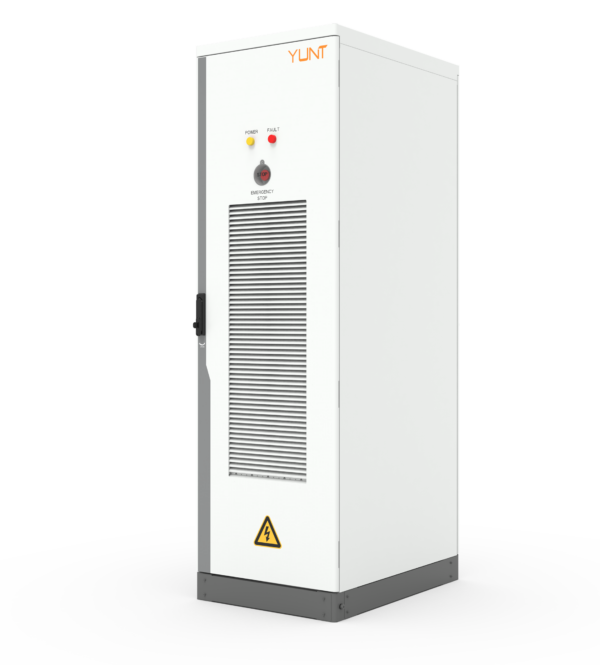
The case is simple and not simple at once: efficiency demands lean control, while Phase-Locked Loop (PLL) grid synchronization demands vigilance when phase-angle jump events occur. A side of the lab and a side of the street. A designer chooses. A grid operator pays. Early in a design brief you’ll see the trade-off, so systems like the pcs module are tuned to show both faces — high conversion efficiency and robust lock-on during transient phase swings.
Where the trade-off lives
Efficiency seeks low switching losses and minimal control overhead. PLLs seek fast, accurate phase tracking. When a phase-angle jump hits, the PLL can either re-lock quickly and risk injecting instability, or slow down and let the inverter drift — costing response time. The comparative insight: choose your dominant objective and accept the secondary cost. Think droop control versus fast PLL loops; each reduces one pain and amplifies another. The design question becomes measured, not theoretical.
Comparative tests — lab vs field
Laboratory bench tests isolate phase-angle jump profiles and measure settling time, THD, and power injection anomalies. Field tests, like those following the California 2020 rolling blackouts, reveal hidden interactions with real grid impedance and frequency excursions. In lab you can target a perfect lock; in the field the grid throws surprises. Grid synchronization and inverter control metrics diverge between these environments — that divergence must shape vendor selection, firmware tuning, and protection settings.
Common mistakes and practical alternatives
Teams push PLL bandwidth to extremes to chase transient performance. That causes sensitivity to noise and oscillation. Others throttle bandwidth so much that they miss phase jumps. The alternatives are hybrid strategies: adaptive PLLs that widen only when a phase event is detected, or a dual-path control that hands off to a grid-forming mode during severe disturbances. These choices affect thermal cycling, lifetime, and efficiency curves — concrete consequences, measurable on thermal maps and MTBF logs.
Operational teardown — what to inspect
When you open a unit or review firmware, watch for three things: PLL parameter profiles, event-driven logic states, and filter stage interactions with the inverter’s LCL or output filter. In production you’ll map those items against {main_keyword} and {variation_keyword} deployment scenarios to verify real-world behavior. Also evaluate hardware headroom — is the MCU fast enough to run adaptive PLLs without sacrificing protection routines? Small bottlenecks show as missed zero-cross detections and delayed injections.
Where bi-directionality matters
Bidirectional modules face extra pressure: they must accommodate import and export while keeping sync during abrupt reversals. That is where a tested china bidirectional power module design proves its value. A robust module will present measured re-lock times and documented response curves for phase-angle jumps. Those curves live in event logs, not marketing blurbs — check them before deployment.
Lessons from deployment — subtle signals
Field deployments highlight small signals that predict larger failures: marginal PLL gain margins, repeated micro-relocks, and correlated power factor drifts. One system logged recurring micro-relocks before a service call, which led to a firmware tweak that reduced false trips — an expensive lesson avoided early by careful comparison of control strategies. — It pays to monitor and iterate.
Advisory: three golden rules for selection
1) Measure re-lock behavior under representative phase-angle jump profiles. Require vendor curves showing settling time, injected current deviation, and harmonic increase.
2) Favor architectures with adaptive control paths — a dedicated grid-forming fallback, or an event-triggered PLL bandwidth shift — and validate on-site under real grid impedance conditions.
3) Inspect production telemetry for recurring micro-relock events and thermal signatures; demand firmware transparency and an upgrade path for PLL and protection parameters.
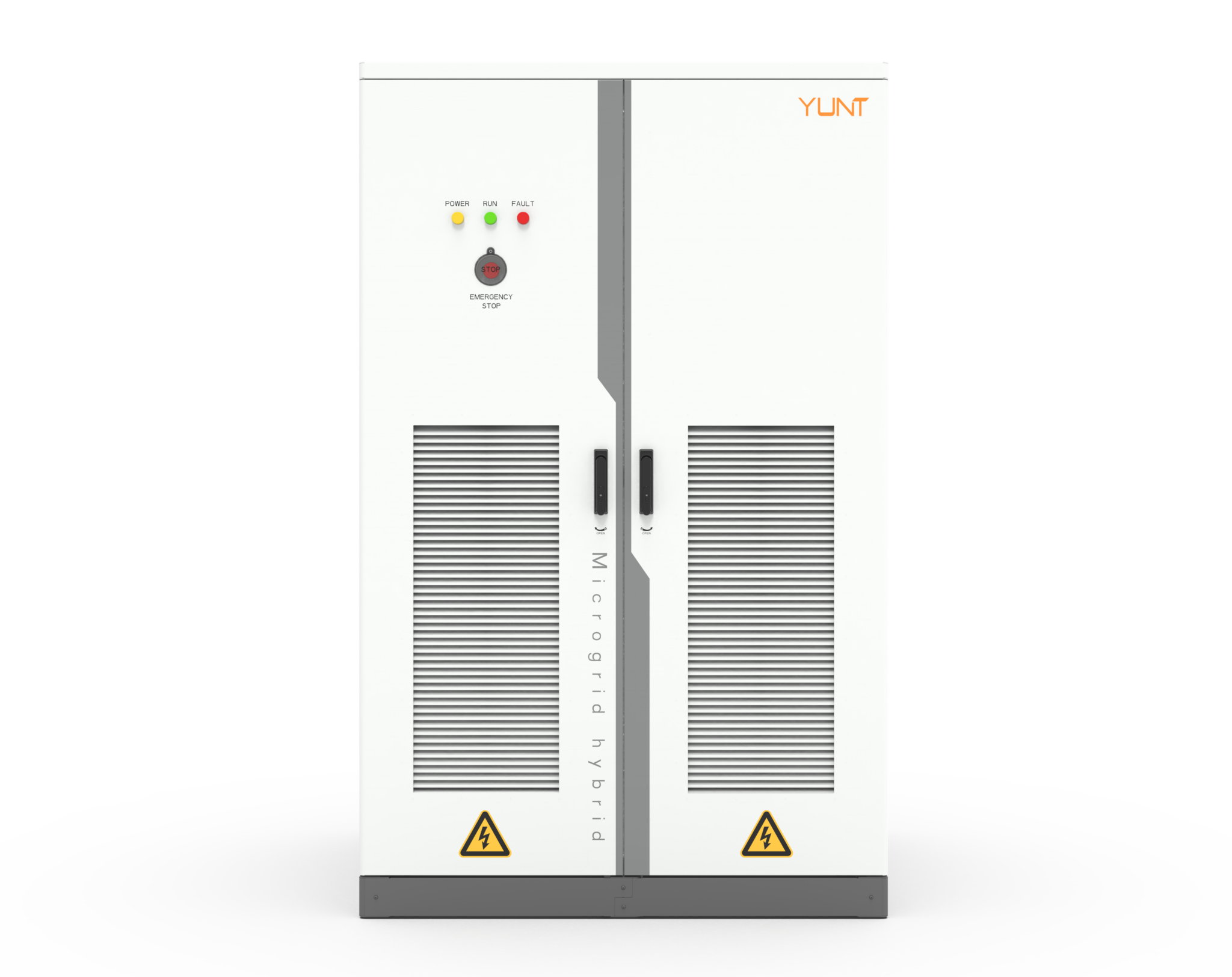
These practices point directly to the value YUNT brings: tested power modules, field data, and upgradeable control stacks — a practical end to the trade-off. YUNT. —