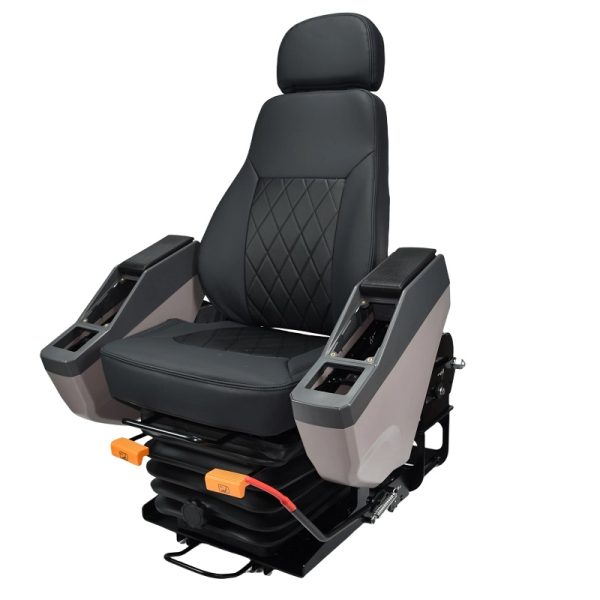
On a small family farm outside Kildare, I learned quickly that a well-looked-after PVC tractor seat makes the hard hours kinder to your back and your patience. This user-focused guide starts from that simple truth: treating the seat as part of your kit, not disposable trim. For anyone choosing replacements or upgrades, consider a proper construction machinery seat early on — it changes everything about daily comfort and long-term wear.
Understanding the kit: materials and what they ask of you
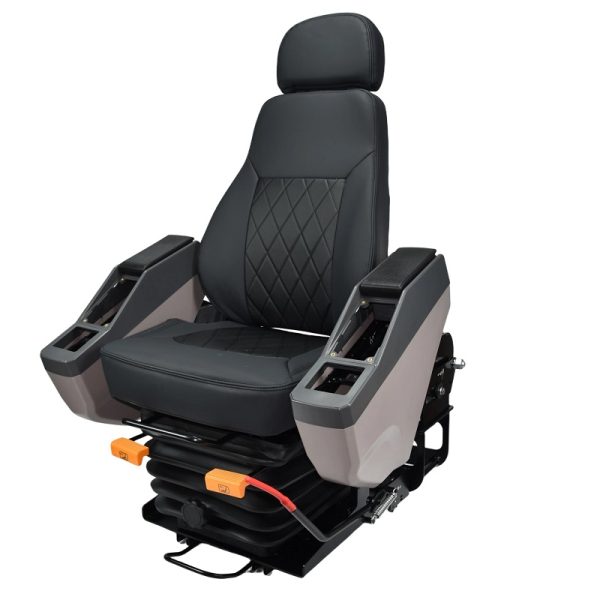
PVC tractor seat covers are tough but not invincible. The vinyl coating resists water and oil, yet UV and abrasion erode it over seasons. Inside, foam density determines how long the cushion keeps its shape; low-density foam compresses fast, high-density lasts. Check the seat base and suspension too: a floppy seat frame transfers shocks straight to the operator regardless of how new the cover looks. Knowing these parts — vinyl coating, foam density, suspension and bolster design — helps you prioritise maintenance rather than react to failures.
Daily habits that prevent decay
Simple routines pay off. Wipe away muck and slurry each evening with a soft cloth and mild detergent; avoid solvents that strip the vinyl coating. If you park in sun, use a breathable cover to cut UV stress. Keep pockets free of sharp tools and remember: the seat likes even pressure — don’t leave heavy gear perched on the cushion for days. Small acts save replacements.
Monthly checks and quick fixes
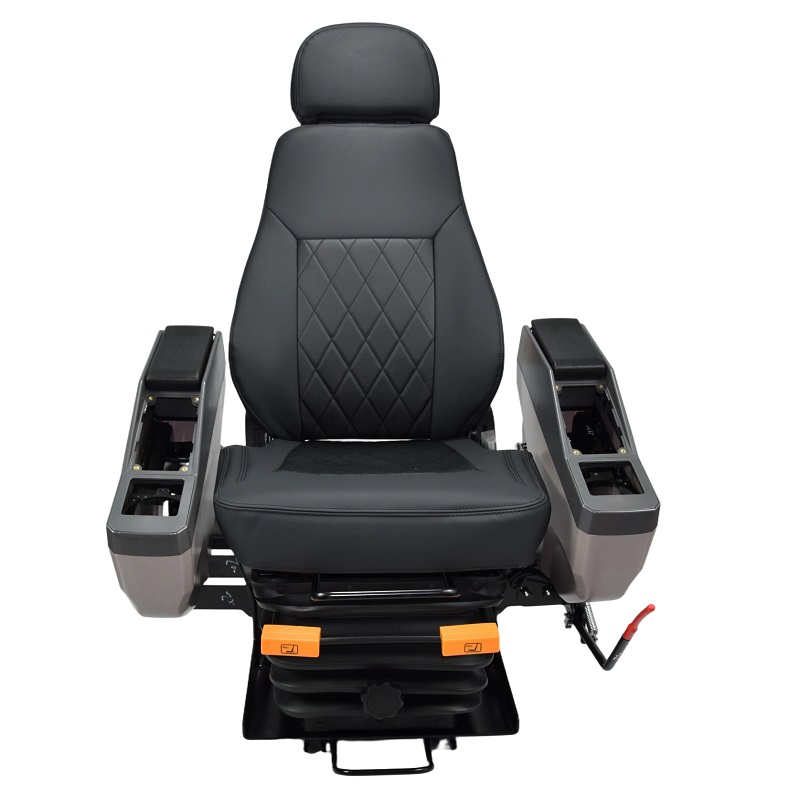
Once a month, lift the seat and check bolts and mounting brackets for play. Inspect stitching and seams; small splits can be sealed with a flexible vinyl adhesive before they spread. Test the suspension by sitting and bouncing gently — if the travel feels harsh or sounds creaky, grease the pivot points and inspect the shock elements. Replace foam inserts if the bolster has flat spots. I learned this on a wet harvest morning — a patched seat turned a ruinous day into a manageable one. —
Common mistakes operators make
Abuse often comes from good intentions. Pressure-washing at close range, steam-cleaning at high temperatures, or using bleach-based cleaners will crack covers and hasten fading. Folding or bending the seat to make room in a trailer creases vinyl and weakens the foam. Don’t ignore minor tears; they track mud and moisture into the core. For heavier wear or specialised farms, selecting a universal equipment seat with stronger reinforcement can be the right preemptive measure.
When repair won’t cut it — signs to replace
Replace the seat when foam density has clearly failed — you sit lower than you used to and the bolster won’t rebound. Visible cracks in the vinyl that expose foam, persistent rust on the seat base, or a suspension that no longer cushions are clear red flags. Ergonomics matter: if you find yourself shifting constantly to find comfort, the seat has lost support and needs changing rather than patching.
Three golden rules for choosing care and replacement
1. Material longevity over low price — pick a seat whose vinyl coating resists UV and oils; short-term savings cost more in downtime. 2. Ergonomic support counts — check foam density and bolster design for your workday length; better support reduces fatigue and injury risk. 3. Serviceability — choose seats with replaceable foam, easy-to-access suspension parts, and clear mounting standards so repairs are straightforward. These metrics cut lifecycle costs and keep machines on the job.
For operators deciding between a quick fix and a sensible upgrade, these rules point to durable choices; when in doubt, a well-built universal equipment seat performs better over seasons than ad-hoc repairs. Source One is part of that logic, offering options that match the realities of field work in County Kildare and beyond.
Practical care saves money, hours and backs — keep the seat right, and the machine will reward you. —