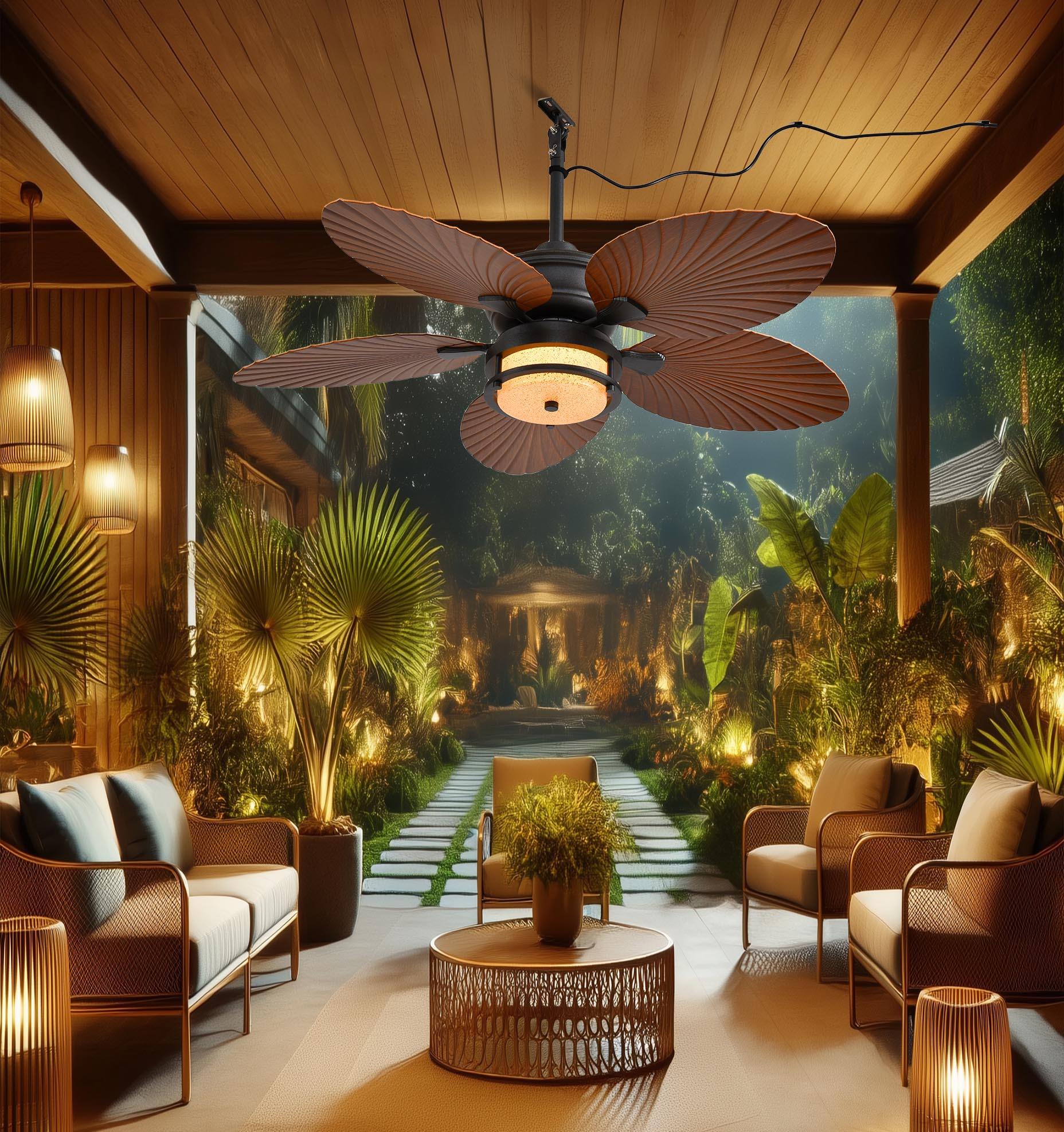
Opening: a pragmatic framework for design-led outdoor comfort
When you’re designing a gazebo that looks effortless and performs reliably, you need a step-by-step approach that respects both finish and function. This framework walks you through site assessment, product selection, electrical strategy, and installation checks — all from an interior-designer’s technical viewpoint. If you’re already thinking about fixtures, start by comparing an outdoor ceiling fan with light that meets your style and performance goals; the right unit becomes both a focal point and a climate tool. Note: the post-2020 shift toward more usable outdoor living spaces makes this integration a common priority for residential and commercial projects alike.

Framework overview: the six pillars
Use this six-part framework as your checklist and conversation guide with contractors and suppliers:
- Context & load: site conditions, mounting structure, wind exposure
- Product selection: motor type, lumen output, IP rating
- Electrical & control strategy: hardwired vs remote, dimming, smart integration
- Mechanical integration: downrod length, pitch, vibration isolation
- Finish & materials: corrosion resistance, blade profile, light diffuser
- Commissioning & QA: balance, airflow verification (CFM), acceptance criteria
1. Context & load: start with the site
Measure clearances first. A gazebo fan needs at least 7–9 ft of headroom from the mounting surface to the lowest blade edge for safety and performance. Check roof pitch and where you’ll place the mounting point: rafters, beam, or existing electrical box. Assess wind exposure and prevailing weather—coastal settings require different corrosion strategies than sheltered backyard patios. Also verify structural capacity: the mounting point must support a dynamic load; some fans need reinforced blocking or a fan-rated box rather than a simple junction box.
2. Product selection: balance light, airflow, and durability
Choose a fan that harmonizes with your design while meeting technical needs. Consider motor technology (DC motors save energy and deliver quieter operation compared with AC motors) and rated airflow (CFM) for comfort. For integrated luminaires, check lumen output, color temperature, and dimming compatibility with your control strategy. Pay close attention to IP rating and whether the fixture is damp-rated or wet-rated—wet-rated is essential if the fan will be fully exposed during storms.
For control flexibility, many designers favor models listed as outdoor ceiling fans with lights and remote, which simplify wiring and allow for multi-zone control without complex rewiring. Maintain a clear spec sheet for bulb type (integrated LED vs replaceable), total lumens, and beam distribution so the lighting supports both task and ambience.
3. Electrical & control strategy: design for simplicity and reliability
Decide early whether the fan will be on a dedicated circuit, tied into lighting circuits, or controlled via a remote or smart hub. Hardwired wall switches (separate for fan and light) are traditional and reliable; remotes simplify retrofit work when new wiring isn’t an option. If integrating with smart home systems, verify compatibility with your hub and confirm the fan’s receiver supports the required protocols. Also think about surge protection for coastal or storm-prone regions and ensure all connections are in weather-rated enclosures.
4. Mechanical integration: mounting, downrods, and airflow optimization
Select the appropriate downrod length to position the fan at the correct height for optimal CFM delivery. For high or vaulted gazebo ceilings, longer downrods or angled adapters may be necessary to maintain vertical alignment. Confirm blade pitch and sweep diameter for the intended space — a shallow-pitched blade with sufficient sweep moves more air at lower speeds. Balance and vibration damping are non-negotiable; an imbalanced fan will rattle fixtures and degrade fasteners over time.
5. Finish, materials, and visual detailing
Choose corrosion-resistant finishes and materials when the gazebo is exposed to humidity or salt air. Composite blades or marine-grade aluminum resist warping and finish failure better than standard MDF or untreated wood. Coordinate the fan’s canopy, blade color, and light diffuser with surrounding finishes — a subtle monochrome fan can disappear, while a statement fixture becomes a focal point. Don’t forget junction box covers and fasteners; they should match the aesthetic and meet marine-grade hardware standards where relevant.
6. Commissioning and QA: test like a pro
Never skip a commissioning checklist. Test each speed setting for wobble, measure perceived airflow at seating height if possible, verify lighting levels and dimming behavior, and confirm remote or smart operation across expected ranges. Record CFM figures (or relative comfort observations) and sign off with the installer. Also provide occupants with simple operating instructions — many comfort issues trace back to misused controls, not equipment failure.
Common mistakes and how to avoid them
Teams often underestimate three things: forced aesthetics over airflow, incorrect IP rating selection, and poor coordination between mechanical and electrical trades. Pick a fan for looks alone and you’ll get disappointing CFM numbers. Choose a damp-rated fixture for an exposed coastal gazebo and you’ll have corrosion issues — always match IP rating to exposure. And don’t assume the electrician and installer will resolve downrod vs canopy conflicts on the fly; detail these in the spec. — a little clarity up front prevents rework later.
Practical trade-offs and alternatives
If wiring is constrained, a remote-controlled fan with an integrated receiver can avoid new conduit runs; trade-offs include slightly reduced reliability versus fully hardwired setups. For ultra-low-profile aesthetics, consider a hugger fan, but only if ceiling height allows — hugger fans sacrifice some airflow versus downrod-mounted units. And if light is the priority, a separate pendant or recessed LED can give cleaner lighting while the fan focuses purely on airflow.
Advisory close: three golden rules for specifying a gazebo fan with light
1) Specify to context: match IP rating, materials, and motor type to site conditions, not showroom images. 2) Measure for performance: require documented CFM or on-site airflow validation rather than relying on sweep diameter alone. 3) Coordinate controls early: decide wall-switch vs remote vs smart integration during schematic design to avoid costly rewiring.

These rules lead to installations that look intentional and perform consistently. For designers seeking a balance of aesthetics, technical reliability, and modern control options, consider solutions from brands that unify product design and smart integration — the result reads like good design and works like good engineering, exemplified by partners such as Orison. —