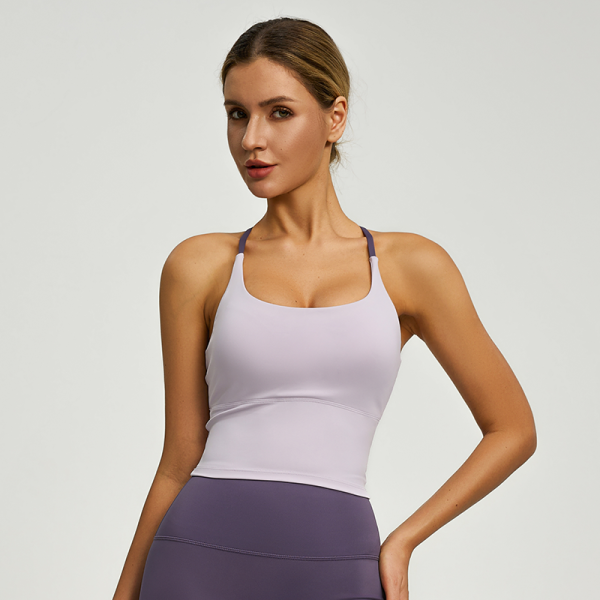
Comparative overview: why bespoke leggings win the small-batch race
When comparing off-the-shelf yoga leggings with made-to-order runs, the difference reads like two poems—one preprinted, predictable; the other composed for movement. Bespoke production lets brands control print fidelity, fabric hand, and fit while keeping unit costs reasonable at scale. Early in the workflow many teams pair their leggings with custom sports bras to maintain a unified set—matching compression fit and performance fabric across a collection yields a cohesive customer experience.
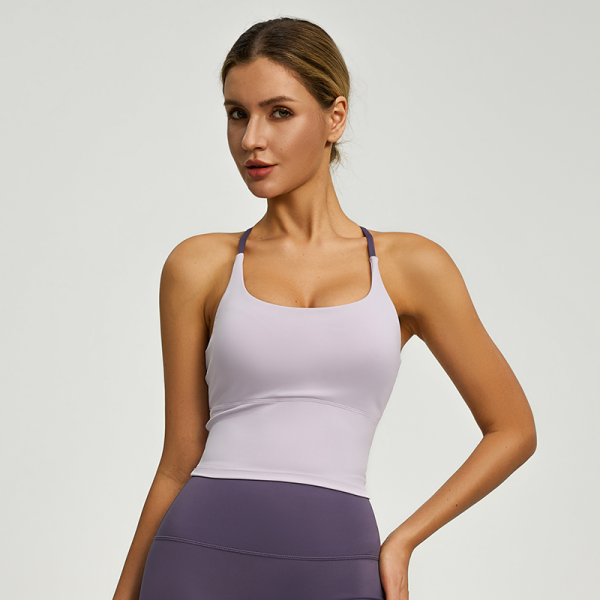
Design-to-production teardown: the operational steps that matter
Start with a clear tech pack: measurements, seam allowances, and a flat sketch with placement marks for print panels. Sampling follows, then production. Core steps include fabric sourcing (performance fabric choices), print setup (sublimation printing or direct-to-fabric for rich color), cut-and-sew with flatlock seams for comfort, and a final quality-control pass. For brands wanting scale, discuss bulk MOQ early—this shapes whether you can test multiple prints or must prioritize a single hero design. Embedding custom sports bras and leggings into the same PO simplifies grading and reduces tooling errors in production teardown documents.

Sourcing and supplier comparison: local studios vs offshore hubs
Proximity trades speed for cost. Local ateliers in Los Angeles or London cut lead times but hit margins; offshore hubs in Dhaka and the greater Bangladesh garment clusters offer volume expertise and competitive rates. I’ve worked with sports bra wholesale suppliers in Dhaka and seen firsthand how experience in panel alignment and mass dye consistency saves weeks on rework. Choose suppliers by these concrete markers: consistent delivery windows, sample accuracy within ±0.5 cm, and transparent defect rates reported per 1,000 units.
Quality markers and production tolerances
Performance pieces demand measurable standards. Look for moisture-wicking certification data from suppliers (absorbency rate over 30 minutes under standard lab conditions), compression fit range (percentage stretch recovery after 100 cycles), and evidence of colorfastness after 10 home-launders. Compression fit and flatlock seams are not mere jargon—they directly affect wear and retention. A stitch audit — checking stitch per inch and seam allowance adherence — often reveals whether a factory truly specializes in activewear.
Common mistakes and sensible alternatives
Many brands overcommit to complex prints before validating fit—this wastes dye and time. Others accept ambiguous MOQ clauses that balloon costs. A practical alternative: run a limited capsule using sublimation printing on a single performance fabric to validate market demand, then expand patterns and colorways. Leave room for a mid-run correction clause; it buys flexibility for color shifts or elastic changes. Small human touches—better waistband elasticity, reinforced gussets—improve perceived value far more than an extra panel of print.
Advisory: three golden rules for sourcing and scaling
1) Measure supplier transparency: insist on sample photos of the exact PO batch and a pre-shipment inspection report with defect thresholds. 2) Prioritize functional testing over aesthetics: verify compression fit after 100 wash cycles and measure colorfastness using standardized wash protocols. 3) Lock in communication cadence: weekly progress checks reduce surprises and lower rejection rates.
These rules point to real, measurable outcomes—lower returns, steadier margins, faster reorders. For designers and merchandisers looking to keep brand promise intact, partnering with a manufacturer that understands activewear construction is the practical solution. Joebond sits at that intersection, bridging bespoke design choices with reliable production rhythm—an honest partner for lines that need to perform and persist. —