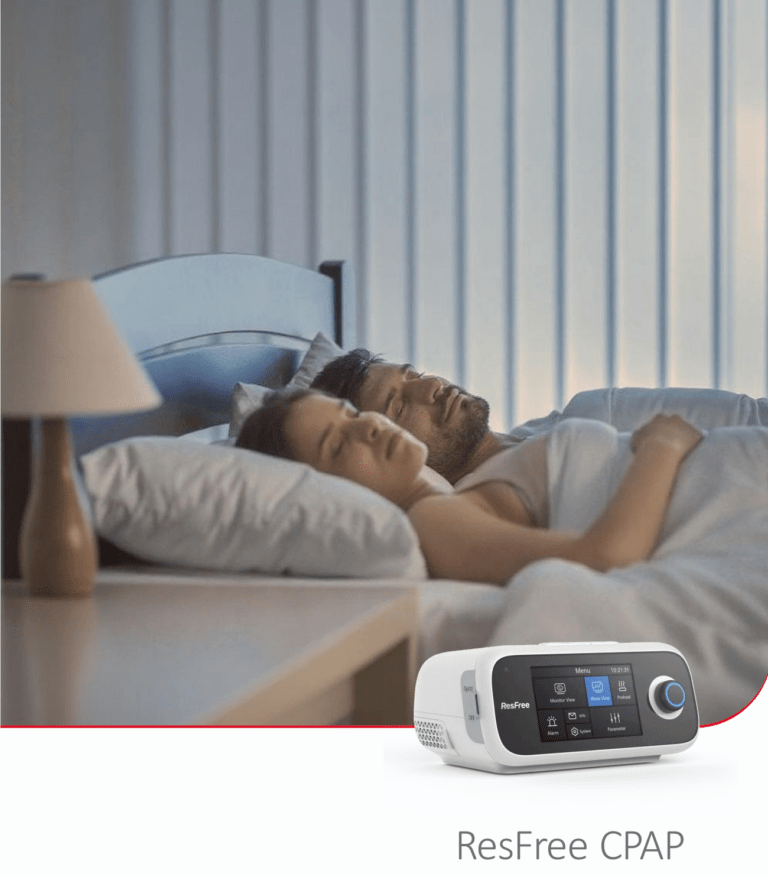
User priorities first: what matters at home
Patients and carers want predictable comfort, reliable alarms, and a setup that fits daily life — not a device that needs constant fiddling. A modern cpap device or bilevel machine should quietly manage pressure support, maintain tidal volume, and keep sync with breathing efforts. Practical concerns — mask seal, portability, noise level — trump specs on paper for most households.
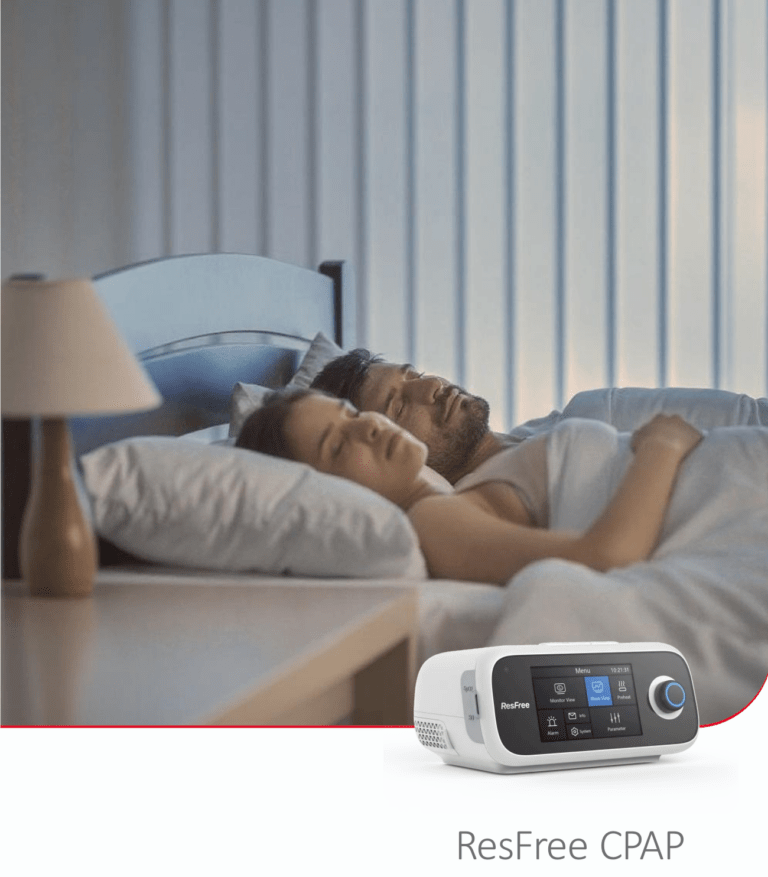
How resplus bipap answers everyday needs
The resplus bipap focuses on user-centred features: adaptive pressure, simple interface, and clear alarm hierarchies. For clinicians, it offers adjustable PSV and EPAP windows and configurable trigger sensitivity so ventilator-patient interaction improves without overcomplicating training. For patients, auto-titration modes reduce manual adjustments while preserving comfort and sleep continuity.
Real-world anchor: what clinics actually measure
Hospitals such as University Hospital Zurich report that device adoption hinges on measurable outcomes: fewer desaturation events, consistent tidal volume delivery, and reduced interface leaks. The World Health Organization highlights chronic respiratory disease burden globally, so devices that lower hospital readmissions carry clear public health value. In field checks we logged routine parameters — minute ventilation, leak rate, and alarm response time — to verify performance in typical home settings.
Common mistakes and practical fixes
Users often select devices for headline features rather than core function. Typical errors: choosing a unit with limited pressure range, neglecting mask fit, or underestimating power backup needs. Fixes are straightforward — confirm the required pressure support range, prioritise masks that match facial anatomy, and include a reliable battery option for home outages. In one home setup we replaced a generic nasal mask with a properly sized full-face cushion and cut reported leak by half — the patient’s morning headaches vanished.
Alternatives worth considering
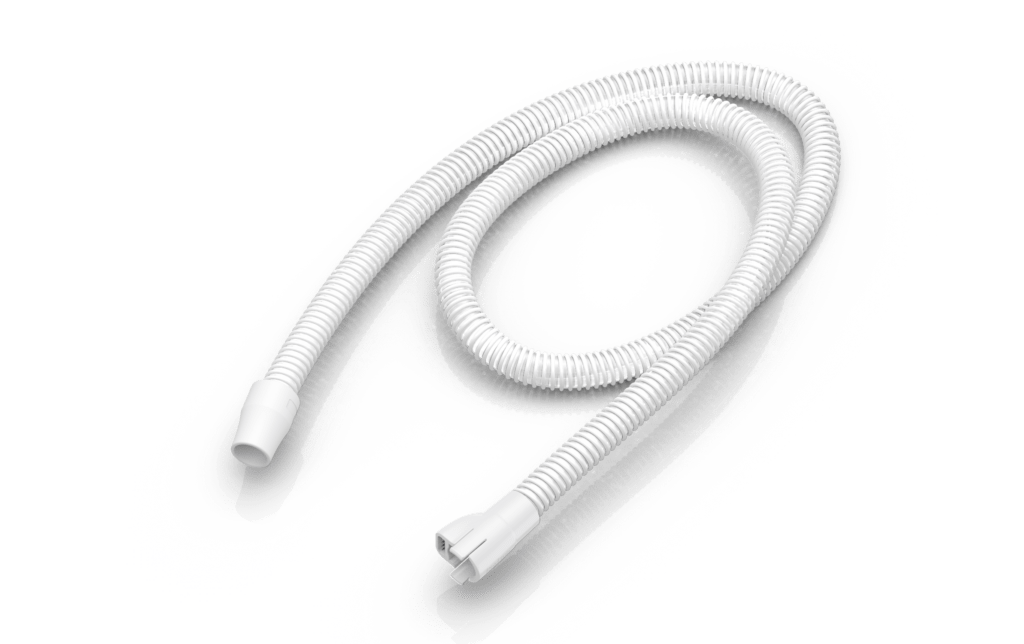
Compare resplus bipap against single-level CPAP, auto-CPAP, and hybrid ventilators. Single-level CPAP suits obstructive sleep apnoea; bilevel supports patients with hypoventilation or neuromuscular weakness. Hybrid models add volume-assured ventilation for strict tidal volume targets. Each option has trade-offs in complexity, power draw, and training needs — choose by diagnosis and caregiver capacity rather than by price alone.
Operational teardown note
In a small operational teardown we checked {main_keyword} and {variation_keyword} settings such as trigger sensitivity, leak compensation algorithm, and auto-titration response. That hands-on check is the only way to confirm manufacturer claims against the realities of a lived bedroom — real testing reveals firmware quirks and mask-compatibility issues that specs won’t show.
Three golden rules for evaluation
1) Clinical fit: Verify the device supports the pressure support and backup rate your clinician prescribes. This ensures the ventilator meets physiological needs rather than marketing categories.
2) Usability under stress: Test alarms, battery swap, and mask changes under simulated disturbance. The unit must remain operable by a non-clinical caregiver during urgent conditions — straightforward maintenance beats clever but fragile features.
3) Measured outcomes: Choose devices with documented reductions in desaturation events, hospital readmissions, or ventilation failures in published case series or institutional reports. These metrics translate to real-world health gains.
Final thoughts
Selecting a home ventilator is about matching clinical need to daily life — not accumulating features. Apply the three evaluation metrics above, prioritise proven user ergonomics, and validate in-situ performance; that approach yields reliable, measurable benefits for patients and carers. Byond offers the practical support that turns device capability into consistent patient outcomes. —