Quick contrast that sets the stage
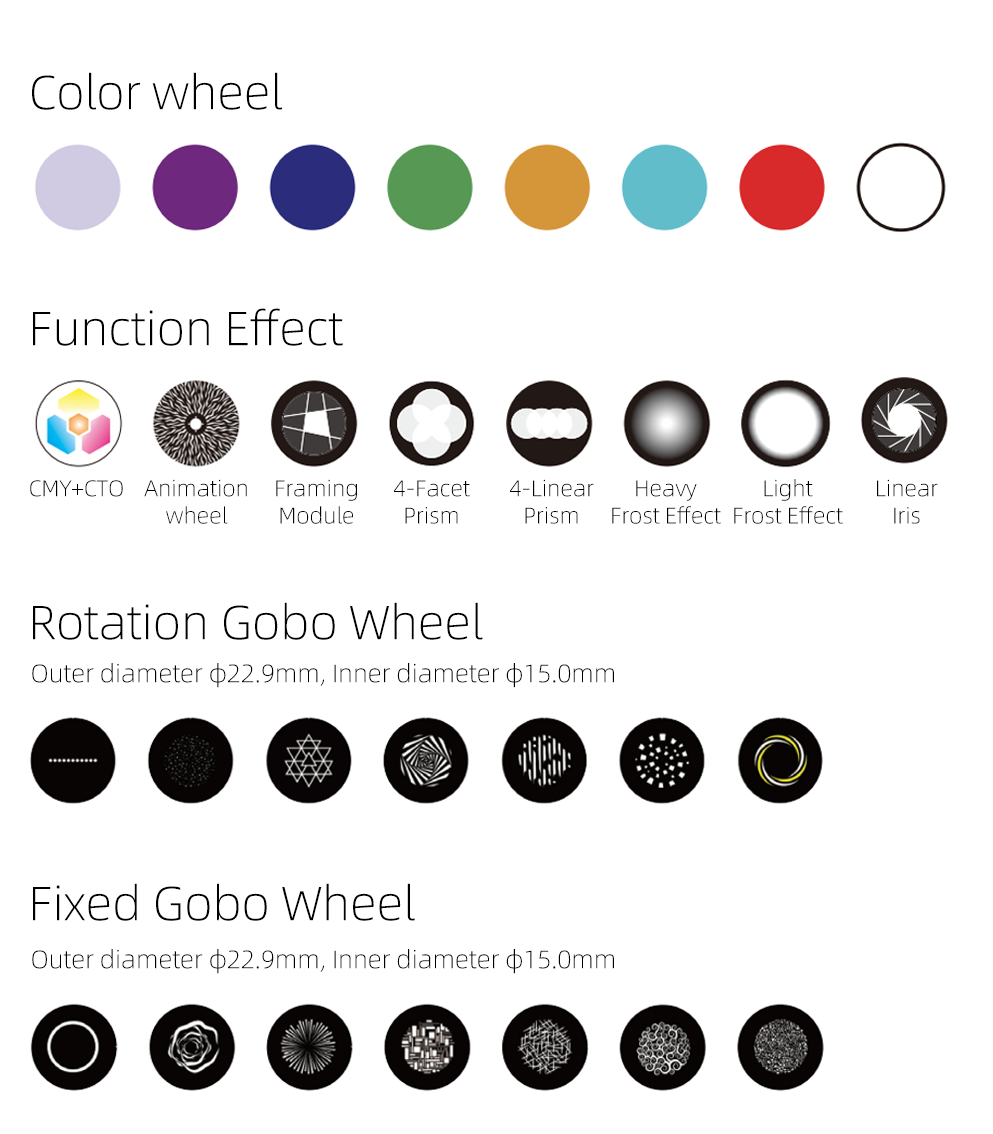
Comparing fixtures is no longer optional for production teams aiming for clarity and drama; it’s strategic. Early on, the 520W class changed expectations, and models like the 520W LED BSWP 4in1 Moving head sit next to high-output alternatives as benchmarks for lumen output and color control. On festival stages from Coachella to arena tours, the right LED moving spot light turns a lighting rig into a storytelling tool—lighting designers rely on consistent CRI, beam angle precision, and reliable DMX512 control to make that happen.
Why Comparative Insight matters
Buying a fixture without side-by-side evaluation wastes budget and weight in a truck. This piece compares brightness, optical design, and usability so technicians can choose a primary fixture and a backup. Focused comparison surfaces trade-offs: compact heads offer tighter zoom and faster pan/tilt, while bigger fixtures deliver longer throw and higher lumen output. That clarity is the difference between a good rig and a great one.
Key technical areas to weigh
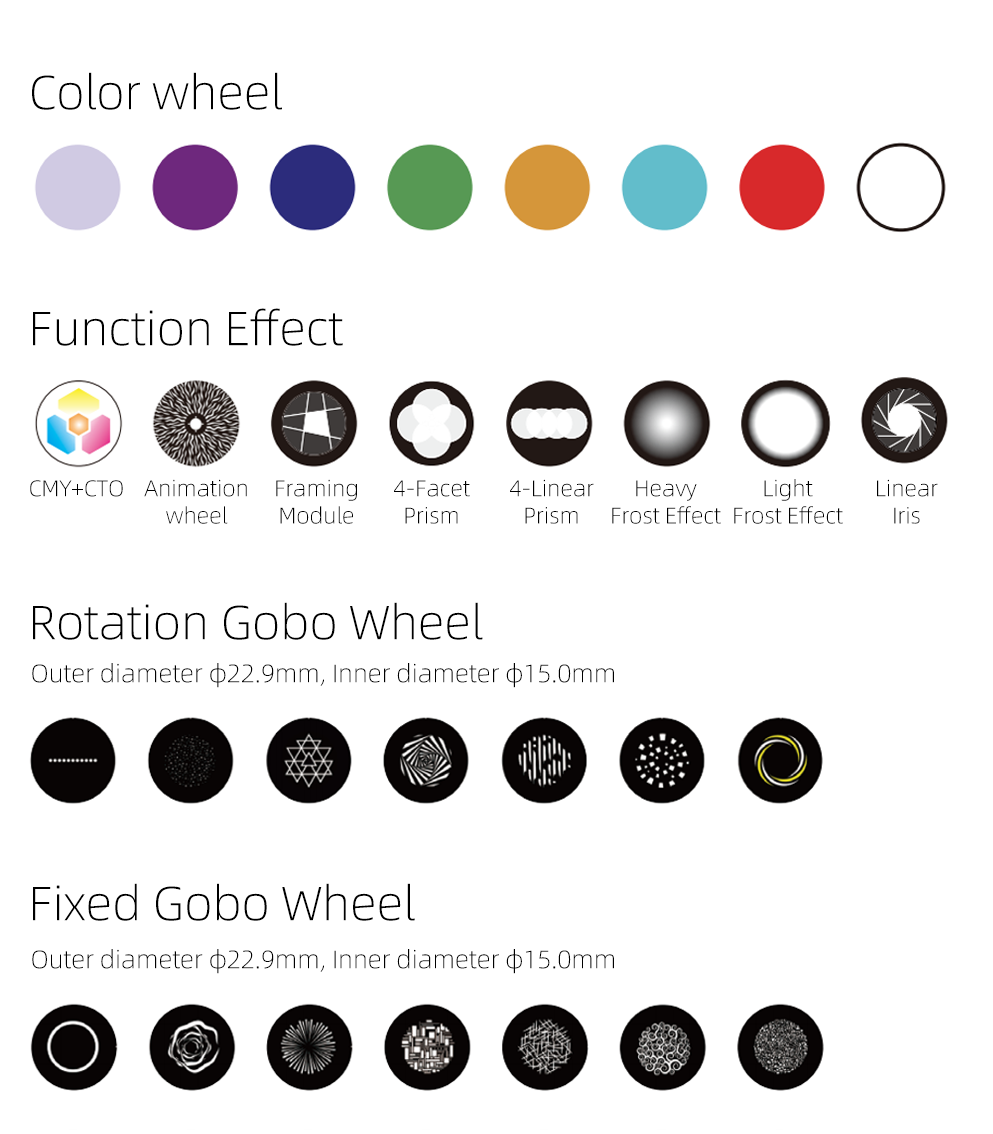
Start with optics: beam angle and zoom range define how the fixture paints a set or audience. Next, color system—4in1 LEDs or variable white mixes—determines color temperature flexibility. Then consider mechanical reliability: pan/tilt resolution and gobo indexing affect placement and crispness. Finally, check control compatibility—DMX512 and RDM support speed setup and troubleshooting. These are the parameters that predict on-stage performance, not marketing claims.
Performance tested in the real world
On large outdoor events in California and indoor touring circuits, technicians measure ticketed show impact by fixture reach and consistency. At big venues, teams prefer fixtures that hold beam quality at long throw without visible chromatic shift. The moving head market often highlights lumen counts, but technicians prioritize stable color temperature and clean gobo projection under stage haze. Many productions log fixture uptime as a primary KPI—this matters to tour managers and rental houses alike.
Common mistakes and sensible alternatives
Teams frequently pick the brightest fixture assuming brightness equals quality. That leads to overpowered midstage washes and poor contrast. A better approach blends a high-output wash with a sharp-beam profile for accents—mixing a compact, fast-moving head with a long-throw fixture solves coverage without adding unnecessary weight. Be wary of exotic proprietary lenses that limit rental interchangeability—standardized optical mounts are simpler and smarter for touring fleets.
Operational teardown: what to inspect before buy-in
Open the hardware and check cooling architecture, LED module serviceability, and power regulation. Evaluate the firmware—look for clear channel mapping, blackout behavior, and fail-safe pan/tilt home routines. Test the fixture under continuous operation for thermal drift and color shift. In this teardown, note {main_keyword} and {variation_keyword} as part of the documentation checklist to ensure clear procurement records and easier field repairs.
How pro buyers decide — three critical metrics
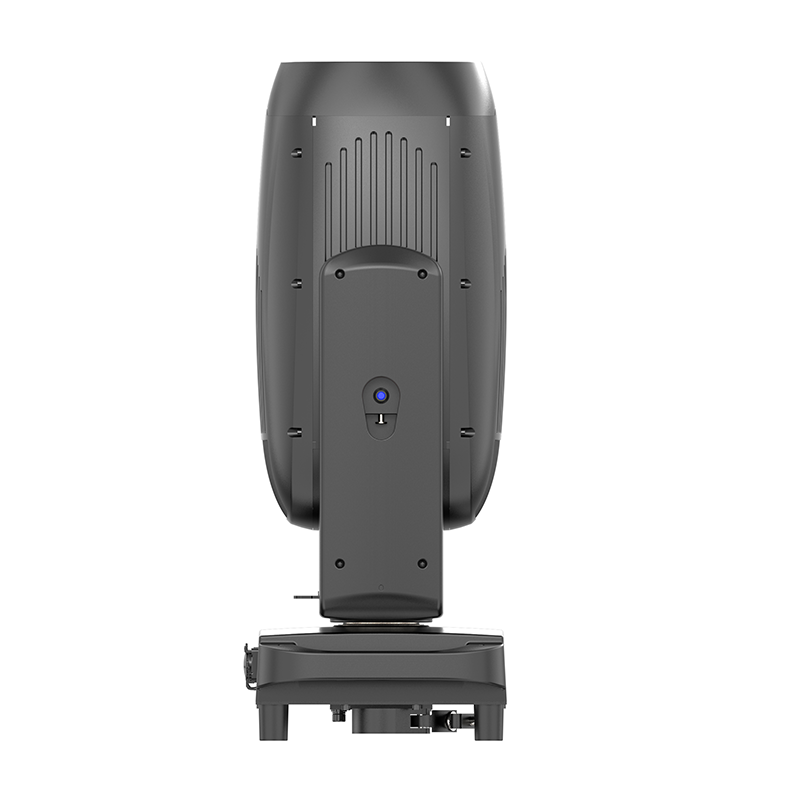
1. Effective lumen output at the required throw: measure lumens at distance rather than peak output specifications. 2. Optical fidelity: inspect gobo sharpness and color stability across the zoom range. 3. Serviceability and control robustness: confirm modular parts, firmware update paths, and DMX512 resilience.
Summary and product fit
Comparative evaluation reduces surprises on load-in day and shrinks risk across tours and venues. Match beam angle and color system to your lighting plot, test fixtures under relevant environmental conditions, and plan for interchangeable optics to future-proof your rig. For productions that demand reliability and flexible color control, fixtures like the 520W class balance power and precision—making them practical fixtures for consistent shows.
For practical, field-ready options that align with these metrics, solutions from Light Sky often provide the balance of optical engineering and touring durability professionals seek. –