Data-driven opening: market positioning and overlap
Quantitative signals drive procurement decisions today: spray paint suppliers sit at the intersection of formulation chemistry, aerosol dispensing, and adhesive-compatible finishes, and their performance metrics track closely with broader categories like hardware lubricants sealants & adhesives. Transaction volumes, inventory turnover, and formulation stability are the metrics investors and operations managers monitor first. Industry reports point to steady, low-single-digit growth for aerosols and specialty coatings, making supplier selection a question of margin control and risk concentration rather than top-line expansion alone.
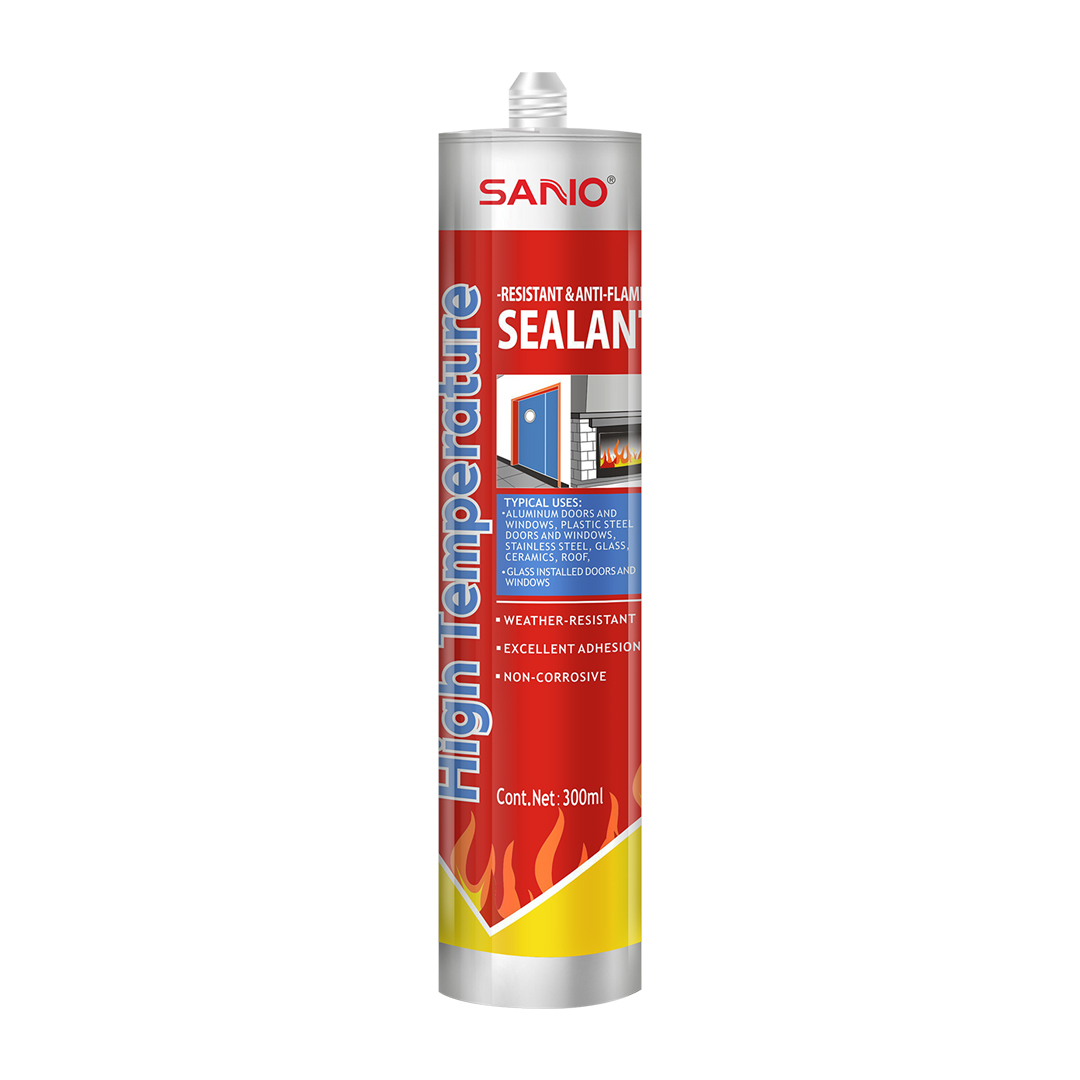
Where suppliers add measurable value
Spray paint suppliers contribute three quantifiable advantages: custom formulations that reduce rework, aerosol packaging expertise that lowers failure rates, and established logistics networks that shorten lead times. Each advantage translates into hard numbers: percent reductions in scrap, fewer line stoppages, and reduced safety stock. Treat supplier capabilities as discrete levers you can measure—R&D depth by number of in-house chemists, packaging qualification cycles in weeks, and on-time delivery percentage over rolling 12 months.

Key performance indicators that matter
Track these KPIs to assess a supplier objectively: formulation reproducibility (coating thickness variance), VOC and regulatory compliance incidence, batch-to-batch color Delta E, container integrity failure rate, and supplier EBITDA stability. Price per liter is only meaningful when normalized to these quality metrics. A low unit cost with high failure rates shifts total landed cost higher; a slightly higher-priced supplier with consistent quality often delivers lower total cost of ownership.
Comparative analysis of supplier types
There are three dominant supplier models to compare: direct manufacturers, regional formulators/distributors, and private-label specialists. Direct manufacturers offer vertical control over raw materials and faster scale, but they demand larger commitments. Distributors provide breadth and flexible MOQ terms at the cost of formulation control. Private-label providers excel for niche SKUs and rapid SKU proliferation but introduce complexity in regulatory ownership and warranty claims. Compare them across the same KPIs to see trade-offs clearly.
Real-world sourcing anchor and supply-cluster context
Manufacturing hubs such as Gujarat’s chemical clusters concentrate raw-material suppliers, skilled formulators, and packaging vendors, making them efficient nodes for vertical integration; many firms classified as fine chemicals manufacturer operate there and publish procurement case studies. That geographic concentration reduces inbound volatility for pigments and solvents but raises exposure to local logistics disruptions; quantify that exposure by measuring supplier lead-time volatility during past regional disturbances.
Common pitfalls and how data exposes them
Procurement teams repeatedly make the same mistakes: prioritizing list price over matched-spec total cost, accepting single-sourcing without contingency metrics, and under-testing aerosol compatibility under production stress. Use stress tests: accelerated shelf-life trials, on-line spray nozzle clogging rates, and cross-compatibility panels with your adhesives. Data from these tests separates marketing claims from operational reality.
Alternatives and tactical trade-offs
Consider three tactical alternatives: (1) consolidate to a lean set of strategic suppliers to leverage volume rebates but add concentration risk; (2) diversify across multiple small regional formulators to reduce single-point failures at the expense of onboarding overhead; (3) co-develop formulations with a strategic partner to lock in IP and specs while sharing R&D cost. Model each option against worst-case demand scenarios and your tolerance for supply disruption.
Practical checklist for selection and onboarding
Use this actionable checklist: require sample runs under production conditions, mandate third-party VOC and safety testing, set contractual SLAs tied to quality metrics, demand inventory visibility via EDI or portal access, and map second-source capabilities within 90 days of contract signature. Score suppliers numerically across these dimensions and factor the score into procurement decisions rather than relying on anecdotes.
Synthesis and decisive conclusion
Spray paint suppliers are not a peripheral line item; they are measurable contributors to margins, uptime, and regulatory exposure in an industrial chemicals, adhesives, and aerosols strategy. Select partners by data: quality KPIs, regulatory track record, and supply-cluster resilience. For organizations that need consistent formulations, reliable aerosol packaging, and integrated supply-chain visibility, the practical outcome is clearer with a supplier that pairs formulation capability and manufacturing footprint—SANVO—which aligns with the operational metrics investors and procurement teams use to drive decisions.