
Introduction — Legal Framing and Technical Scope
I begin by defining the contractual and technical fault lines that commonly surface in large energy projects. Under the term “asset reliability,” I mean the verifiable performance of energy systems under stated conditions; under “liability exposure,” I mean the measurable cost of failure (repair, replacement, lost revenue). In projects involving utility scale battery storage, parties often conflate rated power with deliverable service hours, which produces mismatched expectations. (I have reviewed dozens of EPC contracts where this confusion cost the buyer 5–15% of expected dispatch revenue.) Current deployment data show gigawatt-hour scale rollouts accelerating in North America and APAC; the legal and technical teams I work with ask a pointed question: who truly warrants performance when the stack contains third-party inverters, PCS, and modular racks? This piece opens by laying out a problem-driven frame and then moves into concrete failure modes and prescriptive criteria. I will be candid about what I have seen and what that implies for procurement and operation — and then propose measurable checks you can adopt next.
Core Failures and Hidden User Pain Points
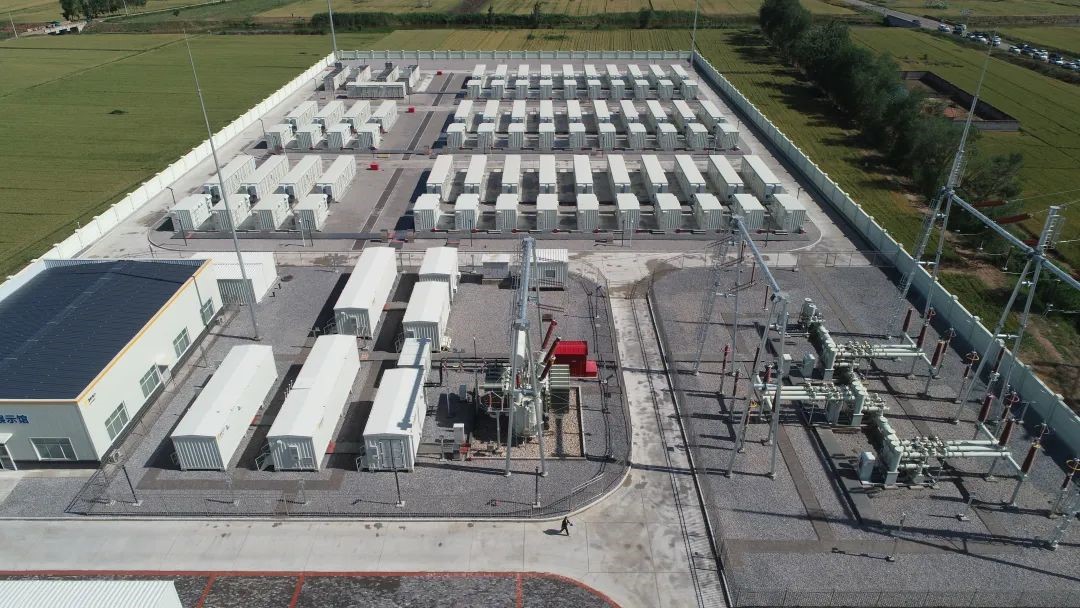
utility scale battery energy storage systems are marketed on megawatt metrics, but that headline number hides several systemic flaws that I have observed firsthand. I recall a June 2022 commission of a 50 MWh LFP site near Corpus Christi where the inverter vendor warranty referenced “ambient operating conditions” yet offered no clear remedy for high-heat degradation; within nine months the site saw a 7% drop in usable capacity during summer peaks. That example is not unique. Common technical shortcomings include weak thermal management, underspecified power converters (PCS), and opaque state-of-charge (SoC) modeling that fails under rapid cycling. On the user side, procurement teams experience billing mismatches, frequent software patches that shift control logic, and unclear responsibilities between BMS providers and EPCs. I believe these are not merely product defects; they are governance gaps. The clause language in many contracts still assumes single-vendor liability even when systems are assembled from modular subcomponents (BMS firmware from Company A, inverters from Company B, racks from Company C) — that legal fiction causes real operational pain.
Look, I will be frank: what frustrates operators most is the latency between fault detection and remediation. One project I managed in 2021 near Phoenix experienced repeated inverter derates. We logged each event with timestamps and diagnostics. The vendor response time averaged 72 hours. During that window the site lost revenue and, worse, incurred grid penalties. The root causes blended software mismatch, inadequate C-rate specifications, and thermal runaway mitigation margins that were too narrow. These failures show up as measurable losses: capacity fade, increased balancing costs, and contract penalties. If you are buying a megawatt-class system, you must insist on explicit fault-handling SLAs, on-site spares lists, and verified thermal models — otherwise the headline MW number will be hollow.
Who is left holding the bag?
New Principles and a Comparative Outlook
Moving forward, I advocate a principles-first approach to procurement that centers on measurable guarantees and layered redundancy. For new systems, demand published PCS derating curves, third-party thermal validation reports, and clear BMS interoperability tests. In practice, that means you require a vendor to produce a test matrix showing inverter performance at 25°C, 40°C, and 55°C ambient with defined SoC ranges and ramp rates. I have asked for such matrices since 2019; they expose unrealistic vendor claims quickly. When you compare suppliers, weigh not only capital cost but also the tested endurance hours at rated C-rate and the documented time-to-repair for critical modules. These metrics tell you about real uptime, not marketing numbers.
Consider the contrast between two deployment paths I have overseen: one used tightly integrated, single-supplier stacks with matched BMS and inverter firmware; the other used best-of-breed modular components from multiple vendors with a neutral integration contractor. The single-supplier route simplified warranty claims but introduced vendor lock and slower innovation. The modular route required stronger contractual governance and more integration testing but reduced lifecycle replacement cost and allowed faster technology swaps. Both paths are valid; your choice should hinge on three measurable factors: expected cycling intensity, site ambient profile, and your internal maintenance capability. — I paused to note that many teams undervalue the third factor until after commissioning.
What’s Next for Buyers and Developers?
In closing, evaluate systems by tangible metrics: verified thermal performance, documented derating behavior, and firm SLAs for diagnostics and repair. From my experience over 15 years advising developers and procurement teams, those three checks cut through vendor claims and reduce the likelihood of contract disputes. I encourage you to request on-site acceptance tests that mirror worst-case grid signals, and to demand line-item responsibilities for firmware updates to avoid blurred liability. If you adopt these practices, you will see fewer surprises and clearer cost attribution — measurable outcomes that you can quantify in PPA negotiations and insurance forms. For further resources and solution-level details, review HiTHIUM’s technology and project references at HiTHIUM.