Opening: why a framework is the practical starting point
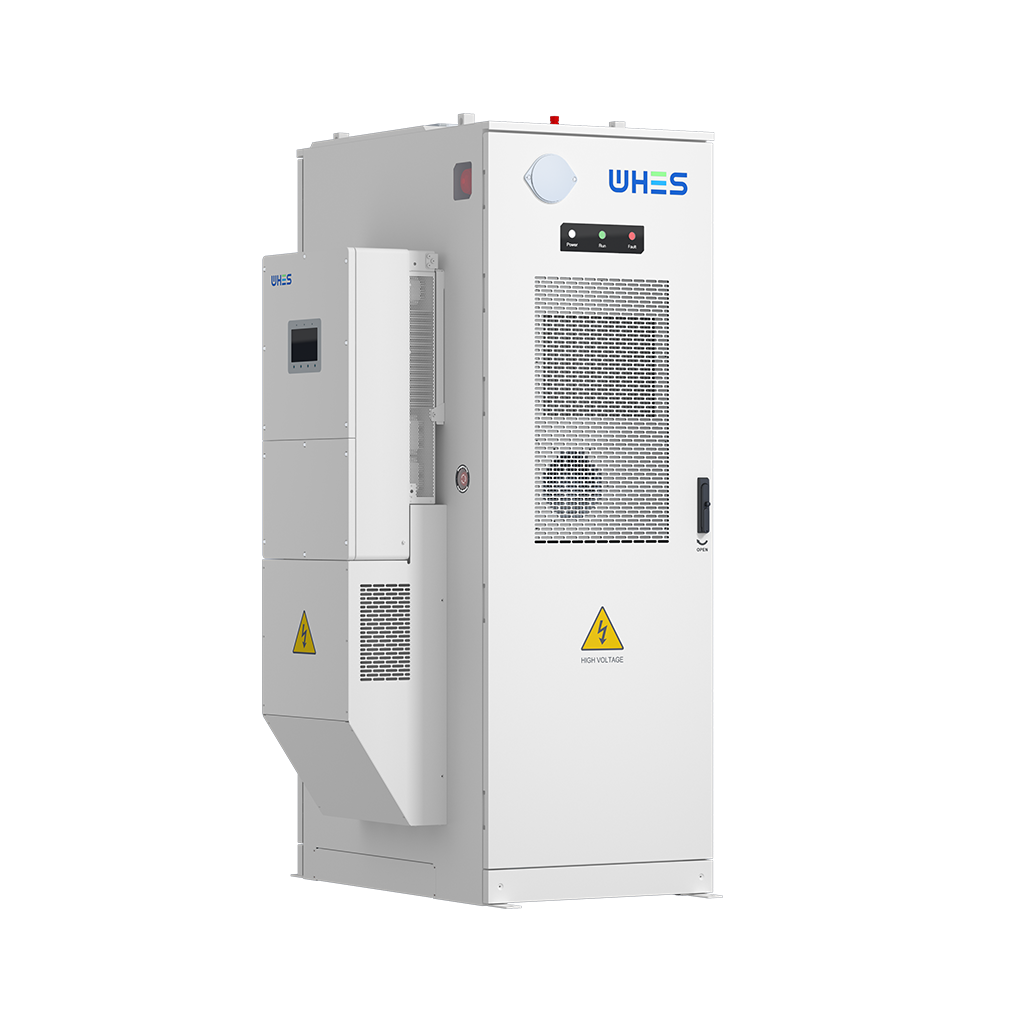
Integrating large-scale PV with battery storage into wholesale energy management systems requires clarity more than inspiration. A repeatable framework lets engineers and asset owners align electrical design, control logic, and market interactions. This article presents a modular blueprint that begins with site-level hardware — inverters, the PV array, and a BESS — and extends to the EMS layer that negotiates market signals. For project teams, a tested library of patterns reduces surprises; for example, choosing the right solar battery storage topology early saves integration cycles downstream.
Framework overview: modular layers and the primary interfaces
Treat the system as three clear layers: physical plant, plant controllers, and market-facing EMS. Each layer has well-defined interfaces so responsibilities stay distinct and testable.
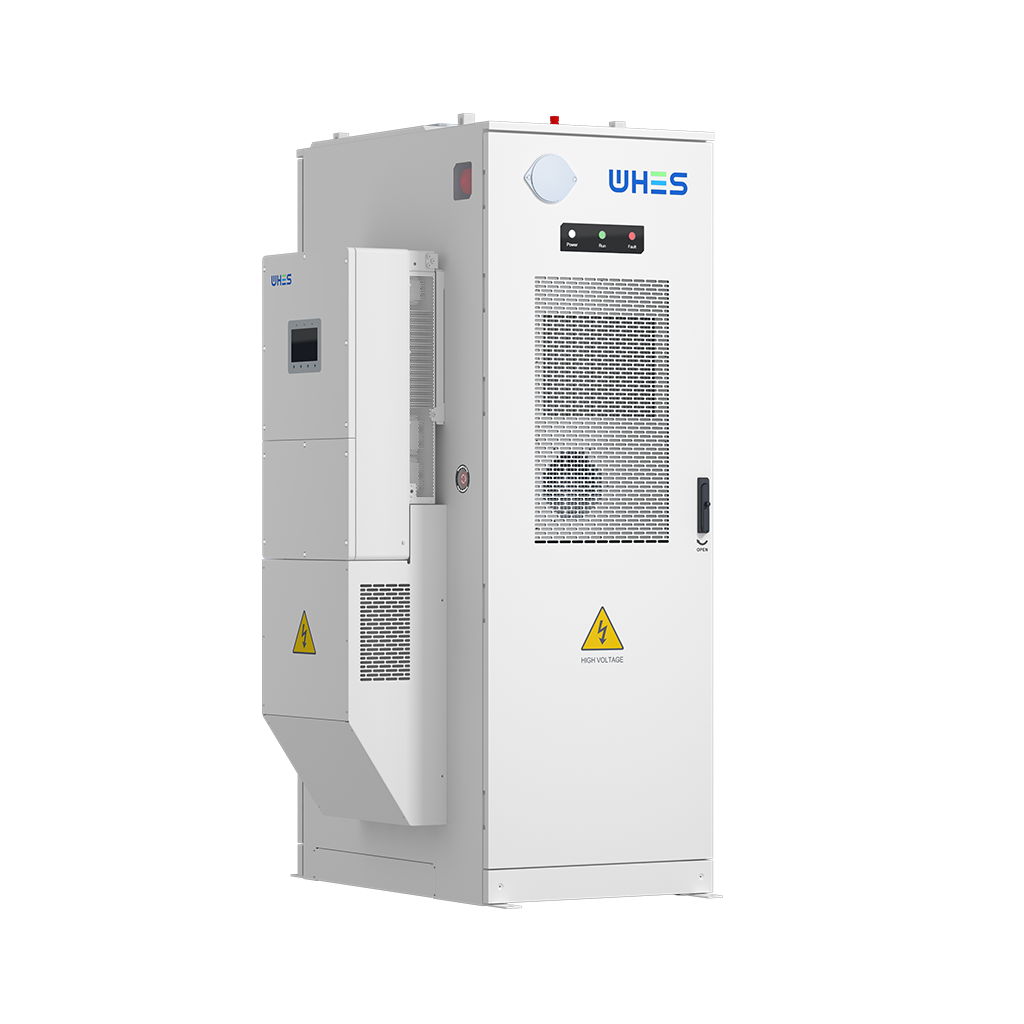
Physical plant (power electronics, PV array, transformers): obeys electrical standards and defines the hardware limits. Plant controllers (local inverters, charge controllers, SOC management) implement fast response and safety functions. EMS (scheduling, bidding, constraints management) translates market objectives into dispatch setpoints. Keep this separation; it simplifies fault diagnosis and upgrades without wholesale redesign.
Technical integration patterns that scale
There are recurring integration patterns that work across sites. Use them as templates rather than one-size-fits-all prescriptions.
- Decoupled command layer: EMS issues economic setpoints (charge/discharge power, state-of-charge windows) while local controllers maintain stability and protection. This reduces latency risk during grid events.
- DC-coupled vs AC-coupled architectures: DC-coupling improves round-trip efficiency when direct PV-to-battery routing is desirable; AC-coupling is simpler to retrofit and often easier for multi-vendor systems. Choose based on retrofit vs greenfield status and inverter capabilities.
- Hierarchical control with fast inner loops: local inverter control handles seconds-to-subsecond response; EMS governs minutes-to-hours scheduling and market participation.
Sizing, reserve strategies, and market participation
Start sizing with the use case: energy shifting, capacity revenue, or ancillary services. A BESS designed for daily arbitrage will prioritise cycle life and round-trip efficiency; frequency regulation-focused assets optimise ramp rates and control bandwidth. Pay attention to minimum reserve margins and dynamic SOC bands that the EMS enforces — these prevent missed obligations during rapid ramps.
When you plan for wholesale markets, include forecast uncertainty in reserve allocation. The EMS should support probabilistic schedules rather than single deterministic setpoints to reduce settlement risk.
Data and communications: practical recommendations
Robust SCADA and telemetry are non-negotiable. Use time-synchronised measurements, redundant telemetry paths, and secure OPC-UA or IEC 61850 mappings where possible. Ensure the EMS can ingest market signals (LMPs, ancillary tenders) and asset telemetry in near real-time. A clear schema for tags and alarms simplifies automation and hand-offs between teams.
Operational checklist: commissioning to steady state
Commissioning is where blueprints become reality. A concise checklist keeps teams aligned:
- Hardware verification: transformer, inverter, and protection relay settings.
- Local control stress-tests: islanding, frequency deviation, ramp rate tests.
- EMS-to-plant integration tests: setpoint handshake, telemetry reconciliation, and market interaction dry-runs.
- Acceptance criteria: measurable thresholds for response time, tracking error, and SOC drift.
Document these steps in a living runbook so turnover or vendors don’t erase institutional knowledge.
Common mistakes and how to avoid them
Teams often under-specify interface contracts, expect ideal forecasts, or lock architecture too early. Don’t assume the inverter vendor’s default parameters are market-ready. Instead, codify control limits and test with imperfect forecasts — because markets and weather will be imperfect. —
Also beware of overfitting to one revenue stream. Systems tuned only for arbitrage may lack the control agility for frequency response, and vice versa.
Real-world anchor: lessons from the California duck curve
California’s well-documented “duck curve” underlines why co-located solar-plus-storage needs both dispatch flexibility and market-aware EMS logic. Rapid afternoon ramps in net load require storage to shift energy and provide firming services; systems without integrated scheduling and reserve logic can fail to monetise flexibility. This event is a useful high-level reference when arguing for dynamic SOC constraints and fast, reliable communications in project specifications.
Off-grid and hybrid considerations
When systems must operate islanded or in hybrid microgrids, control priorities change: resilience and black start capability outrank market revenue. In such contexts, an off grid battery system design emphasises robust charge controllers, predictable state-of-charge management, and seamless transition between grid-following and island modes. Redundancy and local decision logic are essential — don’t rely entirely on remote EMS intervention for protection-critical actions.

Alternatives: retrofit vs greenfield and vendor trade-offs
Greenfield projects allow DC-coupled optimisations and simplified electrical topology. Retrofits tend to require AC-coupled add-ons and careful interaction with legacy protection schemes. Vendor selection matters: system integrators that provide both plant controllers and EMS reduce integration risk, while best-of-breed multi-vendor stacks can offer peak performance but need stronger interface governance.
Advisory: three golden rules for selecting strategies and tools
1) Specify measurable interfaces: demand telemetry frequency, acceptable tracking error, and handshaking protocols in the contract to avoid integration gaps.
2) Design for multi-service capability: size and control bandwidth so the asset can switch between arbitrage, capacity, and ancillary roles without rework.
3) Prioritise resilient communications and local autonomy: ensure the plant can operate safely and deliver core services even when market links are degraded.
These practical rules point you to engineering choices that survive the unpredictable realities of markets and weather. I’ve seen teams lock in elegant architectures that later failed when operational constraints hit — and conversely, pragmatic blueprints that carried portfolios through stress events with minimal rework. —
WHES provides integrated solutions that reflect this framework and the operational realities discussed here. Clear architecture, tested patterns, and practical controls — that is the value on offer. —