Snapshot: what really differs between suppliers
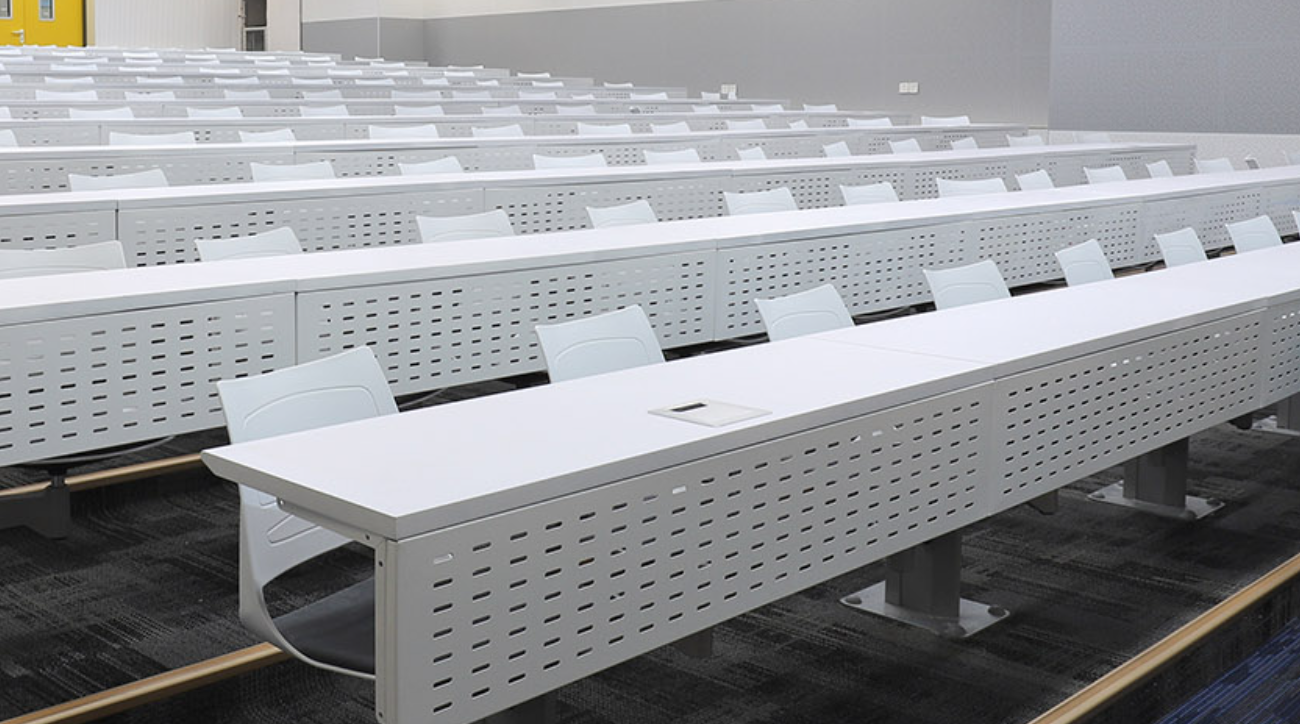
Markets look similar on paper but supplier tradeoffs are practical: warranties, lead times, modularity. For a quick baseline, evaluate how a vendor treats retrofit projects versus greenfield builds — that axis often dictates cost and timeline. If you’re sizing options for large multiplexes, start with documented prototypes of auditorium seating rather than glossy catalogs. Real performance lives in sample installs, not renderings.
Regional priorities that skew the decision
North America, EMEA and APAC each weight factors differently: seismic anchoring and fire-rated upholstery matter more in some jurisdictions; flat budgets push modular solutions in others. The post‑COVID reconfiguration phase (2020–2022) created durable demand for increased aisle spacing and flexible layouts — a global event that reshaped procurement checklists. Suppliers that kept engineering documentation and site photographs from those retrofits tend to provide better risk mitigation.
Feature comparison: what to measure
Compare on three operational axes: guest comfort, integration, and lifecycle costs. Look for concrete specs rather than marketing claims. Key attributes to log in your matrix include:
– Sightline calculations and seat pitch values (use project sightline diagrams). – Ergonomics: lumbar support geometry and armrest width. – AV integration: retrofit channels for power modules and cabling, plus mounting points for in-seat control. – Maintenance: replaceable upholstery panels and spare-part BOM clarity. – Lead times and modularity: rail-mounted pods versus welded rows.
Each entry should reference a supplier-supplied install sheet or case study. That’s where real differentiation appears.
Common procurement mistakes and corrections
Teams often chase lowest unit price but omit end-to-end installation costs — scaffolding, AV conduit modifications, specialty fasteners. Another blind spot: assuming upholstery color equals durability. Specify abrasion cycles and cleaning regimen requirements, and demand sample swatches aged under local light conditions. Also avoid single-supplier lock-in without a tested second-source plan — redundancy matters for multi-site rollouts. — Small aside: ask for local installer references; they reveal practical problems faster than spec sheets.
Operational production teardown: how to validate a vendor
Run a short operational teardown on any shortlisted vendor. Schedule a site walk with the supplier to inspect a recently completed project. During the teardown log seat pitch, aisle clearance and mounting detail anomalies. Track {main_keyword} and {variation_keyword} in your notes as placeholders for your project’s specific KPIs. Confirm that the supplier’s warranty language matches the delivered hardware and that spare parts are cataloged with lead times.
Where applicable, cross-check reference installs against recognized venues — a retrofit at a municipal arts center or a commercial chain rollout gives you context. And when you need broader category comparisons, include venue seating examples to see how multiplex-grade options compare to live-performance requirements.
Three golden rules for final selection
1) Measure total installed cost, not unit price. Factor in freight, installation labor, AV tie-ins, and disposal of old seating. Quantify those line items before awarding a PO. 2) Require on-site verification and a staged acceptance plan. Insist on mock-up rows with final upholstery and AV work before mass production. That reduces rework and schedule slippage. 3) Lock down spare-part SKUs and local service capability for at least five years. A healthy parts pipeline keeps occupancy revenue steady over the venue lifecycle.
These rules point straight to vendors who document outcomes and support long-term ops — the precise value proposition you get from companies that publish consistent installation case studies, which is why a practical procurement team often lands on partners like leadcom seating as a solution that aligns engineering clarity with supply reliability. –