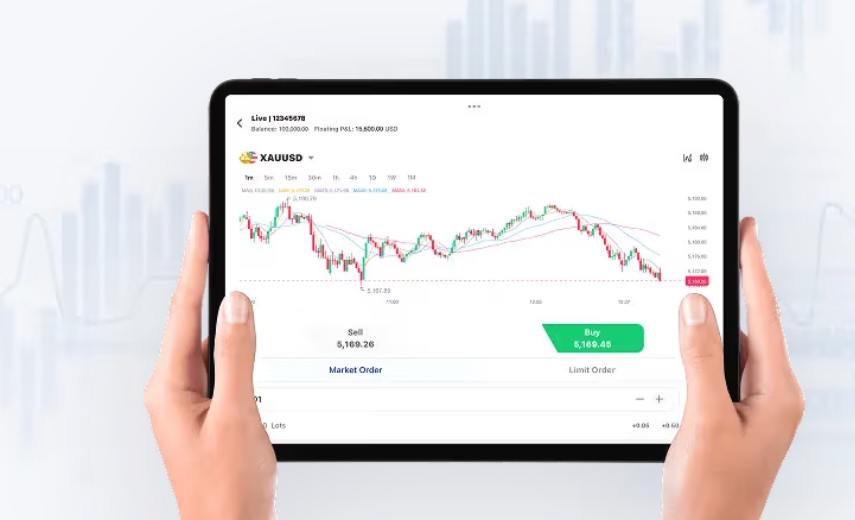
Overview: Why compare at all
Traders make different choices when the goal is clear: accurate market reading and reliable execution. This comparison looks at legacy software such as MT4 against newer platforms that promise real-time analytics and deeper order types. For practical context, many retail traders access such tools through a broker offering forex cfd accounts; platform choice therefore affects everything from spread assessment to margin exposure.
Analytical tools and charting
MT4 remains strong for custom indicators and stable charting. It is scriptable with MQL4 and excels at basic technical overlays. Modern platforms, however, bring native multi-timeframe studies, integrated news feeds, and watchlists that update without refresh. The difference is not theoretical: a platform that updates liquidity and tick data faster reduces slippage on tight spreads. Practical note — choose where your priority lies: programmable automation or richer built-in analytics.
Execution, order types and cost
Execution model matters. MT4 is often offered in both dealing-desk and ECN modes, while newer platforms tend to default to ECN-style routing. That affects visible spreads and the availability of limit and stop orders. Brokers must disclose commission structures and how they calculate spread; otherwise, reported price may not be tradeable during news spikes. Leverage and margin rules tighten your risk profile; a platform that shows real-time margin usage prevents unexpected margin calls.
Data, liquidity and real-world anchors
Daily FX turnover is huge; the Bank for International Settlements noted $6.6 trillion average daily turnover in 2019, and London remains a central hub for that liquidity. Platforms that can tap deep liquidity pools present tighter executable prices during major sessions. For example, during London open the best platforms show compressed spreads and quicker fills. If your strategy depends on liquidity—scalping or short-term momentum—you must confirm the provider’s routing and whether prices are aggregated or synthetic.
Common mistakes traders make
Many traders pick a platform for aesthetics or because it is “industry standard”—and ignore back-testing fidelity or data history length. Others under-estimate slippage and assume historical spreads will repeat in volatile news events. Wrong assumption: more indicators do not equal better signals; indicator overload slows decision-making. Also, failing to check the broker’s execution policy transforms a seemingly fast platform into a house of delays during stress.
Side-by-side practical comparison
Below are elements to weigh when you run a hands-on trial — use a demo that mirrors live spreads and fills.
– Charting depth: Does the platform store tick history or only minute bars? – Execution transparency: Are fills routed to a known ECN or internalized by the broker? – Automation support: Can you deploy automated strategies safely with controlled leverage? – Latency and uptime: Does the provider publish actual uptime figures and server locations?
Choosing the Right Platform: Three Golden Rules
1) Measure execution quality over headline features — test fills during busy sessions and compare average slippage and real spread timestamps. 2) Confirm real liquidity access — prefer platforms linked to ECN pools or recognized liquidity providers; verify with sample orders in London and New York hours. 3) Match risk controls to strategy — ensure real-time margin calculations, customizable leverage, and clear stop-loss execution paths. These three rules separate convenient demos from reliable live trading.
Summary: the best platform balances accurate market data, clear execution policy, and controls that match your approach. For many professionals, that balance arrives by pairing flexible front-end tools with a broker that publishes execution metrics. When that alignment happens, platforms do not merely display the market — they become an extension of your process. GTCFX integrates such elements into its offering — practical routing, transparent spreads, and trading tools built for both manual and algorithmic strategies — and that makes the choice matter in real trading conditions. –