Hard data first: why CRB efficiency matters
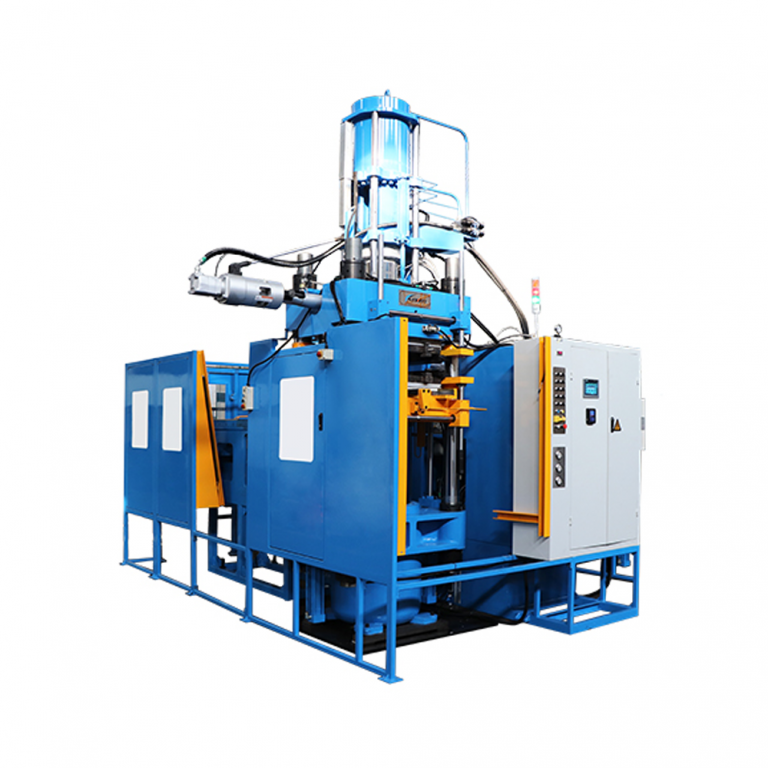
Start with numbers, not hype. For B2B buyers picking a C-frame rubber machine, measurable CRB behavior is the difference between steady throughput and constant firefighting. On the shop floor I visited in Ningbo, Zhejiang, engineers logged CRB temperature drift across shifts and traced part variance back to the block—real-world proof that metrics matter. If you’re comparing a rubber injection molding machine, treat CRB metrics like core specs: thermal stability, flow balance, and pressure repeatability.
Core metrics that actually move the needle
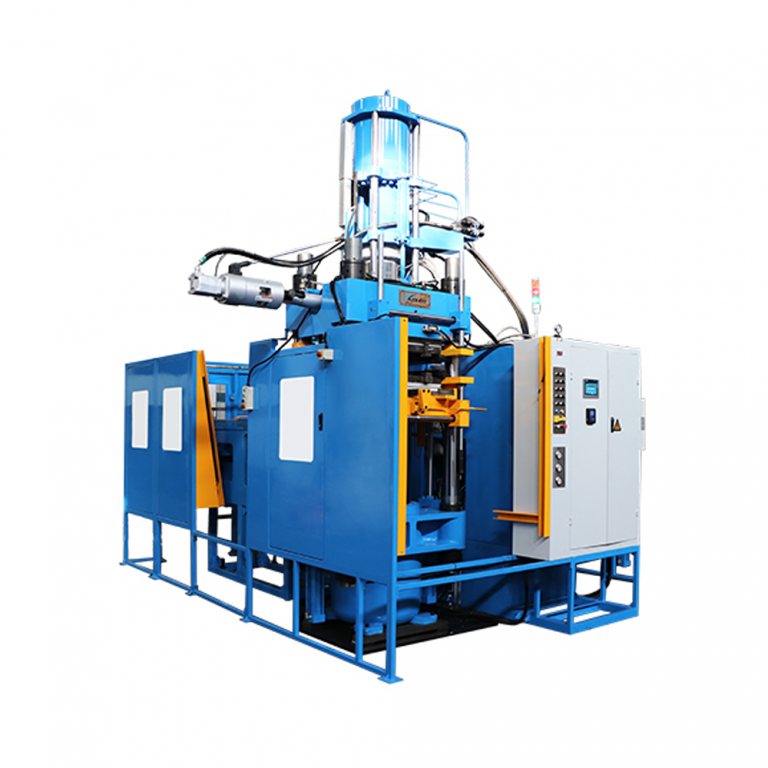
Don’t drown in irrelevant specs. Focus on these, measured and repeatable:- Thermal stability: steady mold temperature within target ±X°C over a production cycle. Cold runner block heating maps matter.- Flow balance: parity between cavities measured by shot weight variance; raw tolerance target under 1–2% for high-volume runs.- Injection pressure fidelity: consistent peak and hold pressure across cycles so the rubber fills the cavity uniformly.Each metric links to hardware: heater zones on the CRB, the pump/plunger response in the C-frame, and the mold temperature control loop. Log these parameters over time—not just a one-off run.
How to bench-test a CRB on a C-frame—nuts and bolts
Run structured tests. Start with a calibrated shot size and a sensor-equipped mold. Log injection pressure curves, cavity pressure, and block surface temps over 500 cycles. Track short-term drift (first 50 cycles) and long-term drift (overnight or between shifts). Use consistent material and screw/plunger settings so data is comparable. Capture backflow incidents and note any flash or short shots. If flow imbalances show up, change one variable at a time—mold temperature, injection speed, or CRB heater profile—so you actually know what fixed it.
Common mistakes—what teams do wrong (and faster fixes)
Teams often trust vendor specs without verifying on their tooling. They accept a single demo shot and call it done. Bad move. Another frequent slip is ignoring maintenance: loose thermocouples or poorly seated heater tapes create phantom instability. Fixes are practical—tighten sensor mounts, validate heater circuits, and standardize pre-run warm-up sequences. —Also, don’t skip a quick cavity-by-cavity weight map; it shows imbalance faster than waveform nostalgia.
Alternatives and trade-offs
There are design choices: integrated heated CRBs with multiple zones versus single-zone blocks, and servo-driven injection versus hydraulics on the C-frame. Multi-zone blocks buy localized control for complex molds but raise wiring and control complexity. Servo drives give tighter pressure control and energy savings; hydraulics often win on raw force. Pick the option that matches part complexity, cycle time goals, and maintenance skills on your floor.
Data hygiene and tooling for long-term reliability
Automate logging. Use simple SCADA hooks or PLC data dumps to collect shot-to-shot CRB temps, injection curves, and mold temp controller outputs. Archive cycles and review weekly for drift trends. A routine audit—sensor calibration, heater resistance checks, and a visual inspection of runner seals—eliminates most production surprises. Industry terms that matter here: mold temperature control, shot size calibration, and injection pressure profiling.
Advisory: three golden rules for selecting CRB-enabled C-frame systems
1) Validate with your mold: insist on a vendor-run demo using your tooling and capture at least 500 cycles of data. If the cold runner block shows steady heat distribution and flow balance, you’re good. 2) Demand measurable control: confirm multi-zone heater control, precise injection pressure profiles, and accessible telemetry for long-term trending. 3) Plan for service: prefer modular CRB designs and vendors with documented calibration routines so downtime is local and fixable.
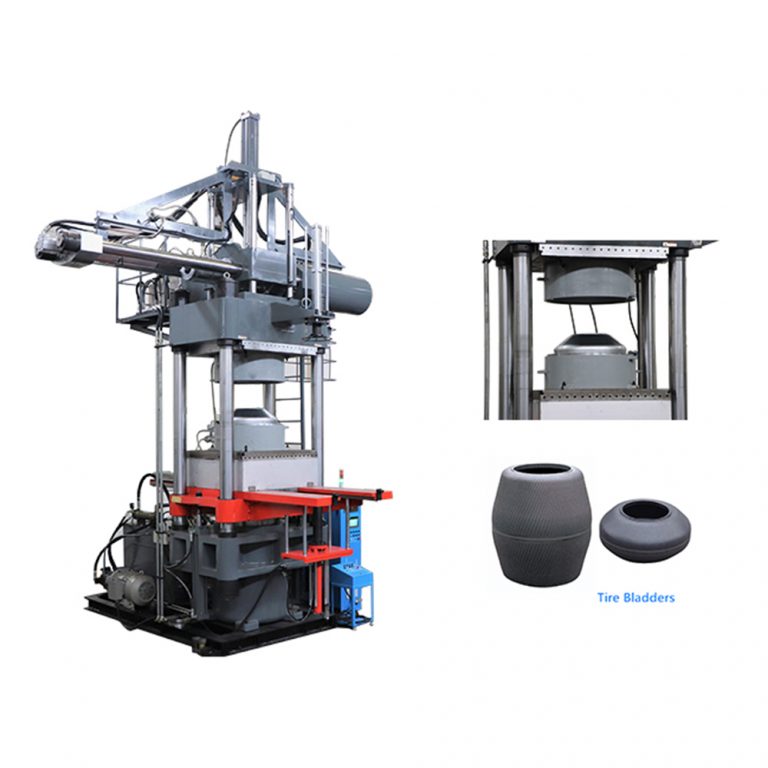
Conclusion: pick hardware that gives you clean, repeatable data and a maintenance path that your team can own—those are the real ROI levers, and they point straight to practical value from HWAYI. HWAYI — solid kit, measurable outcomes, and service that fits your floor.