Where the old fixes fall short
Last August I stood on a wet ladder watching rain bead off glass panels while my neighbor fumbled with candles — during that storm 130 homes lost power for 72 hours; could a whole home battery backup have kept our lights on? A home solar energy system—warmed metal, the scent of dust on new wiring—can feel like assurance, but that warmth hides gaps many owners don’t see. (I know this from installing a 10 kW PV array with a 13.5 kWh battery on a bungalow in Portland back in August 2019.)

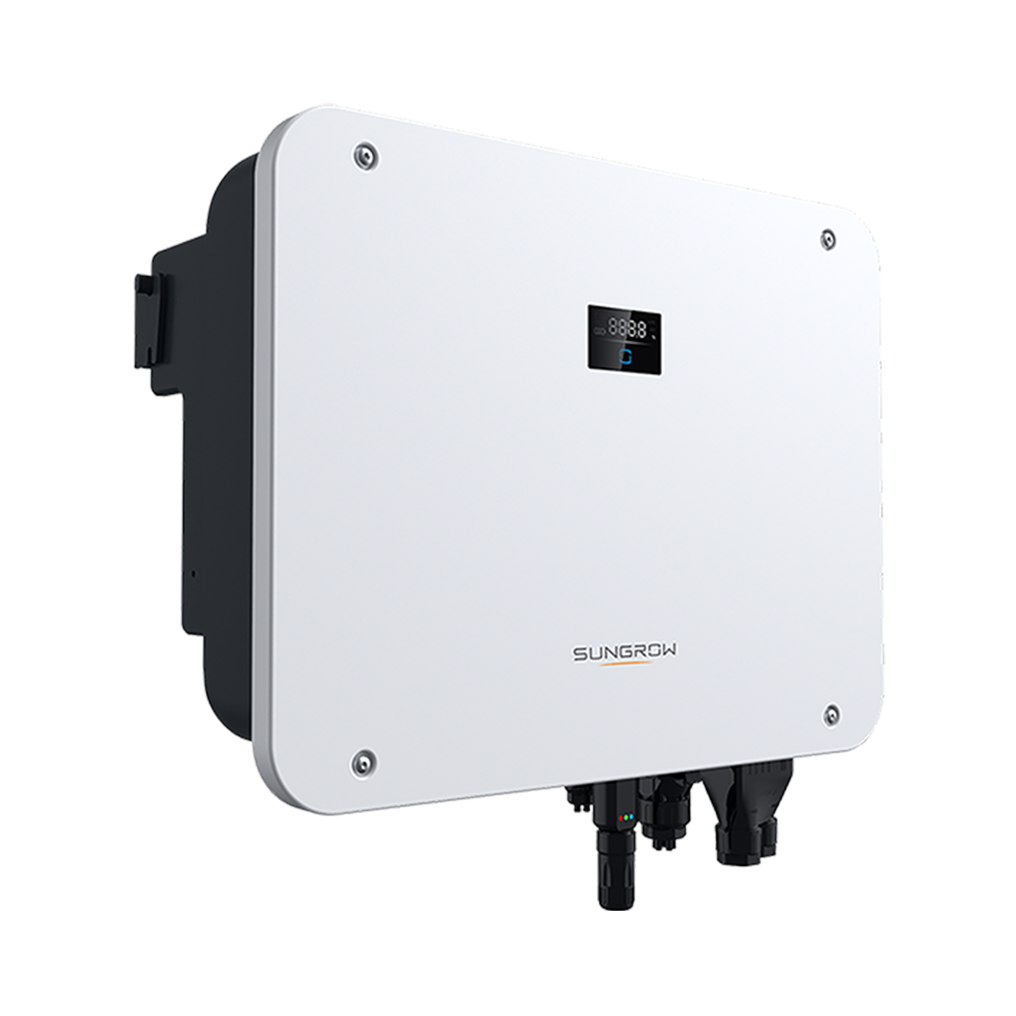
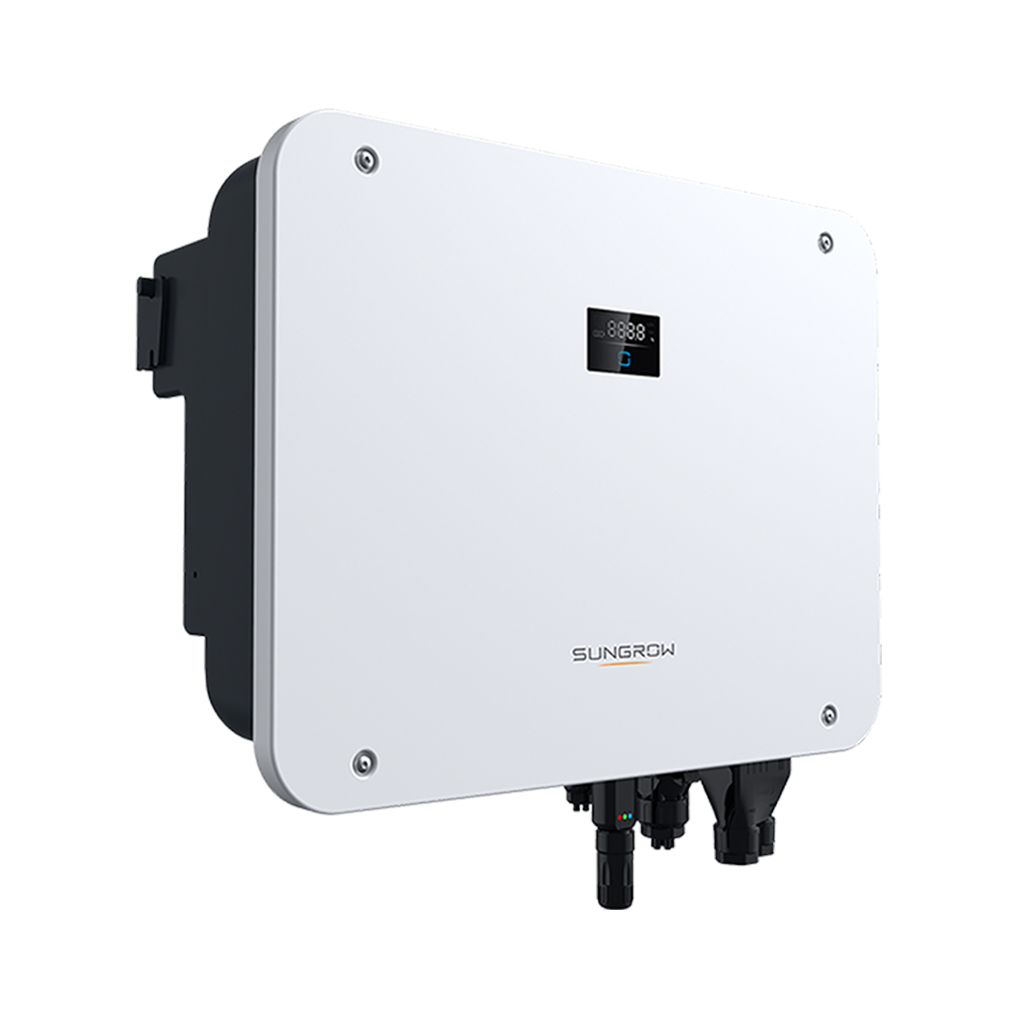
I’ve spent over 18 years fitting rooftop systems and advising small installers, and I’ll be blunt: the typical grid-tie plus small battery add-on solves a piece of the problem but not the homeowner’s whole problem. Most designs prioritize daytime export and net-metering economics; they skimp on inverter sizing, leave insufficient kWh for multi-night outages, and underestimate the inverter’s thermal limits during sustained discharge. The result: systems that work perfectly under test conditions but falter when real storms bring extended darkness. You bet I’ve seen commissions where a clipped SDS inverter curve meant an otherwise healthy battery couldn’t serve heavy loads (HVAC, sump pumps) for more than a few hours.
What goes wrong?
Short answers: undersized inverter, mismatched battery chemistry, and unrealistic cycle assumptions. I remember a June install in 2021 where the homeowner expected 24/7 backup but had only 4 kWh usable (the vendor advertised 10 kWh nominal—big difference). That mismatch cost them an avoidable night of cold showers and food loss. The hidden pain is not glamour; it’s the slow drip of disappointment when promised resilience becomes a half day of relief instead of several.
Let’s move from pain to practical adjustments — next, I’ll outline how to plan for real-life outages and smarter component choices.
Designing a future-ready whole home battery backup
Here’s a plain claim: most resilience failures are preventable when you design from load first. I mean decide the critical circuit list before you pick capacity. Start by logging actual loads for 72 hours — refrigerator, well pump, a few lights, and a router add up fast — then size your battery and inverter to meet that profile rather than seller-friendly test numbers. When you do this, the whole home battery backup works as intended: seamless, predictable, and quietly dependable.
Technically, you want to match peak inverter continuous rating to combined critical load plus a safety margin (inverter sizing), choose battery chemistry with proven cycle life at the expected depth of discharge (Li-ion NMC or LFP depending on climate), and ensure the PV array and MPPT strategy can recharge the bank within your expected sunlight window. I once reconfigured an installer’s default setup in late 2020 — swapping a 5 kW inverter for an 8 kW model and increasing usable kWh by 40% — and the household avoided two successive storm blackouts without generator support. Small changes; measurable results. — Trust me, these choices matter.
What’s Next?
Compare options not by headline kWh but by three practical evaluation metrics: usable energy (actual kWh deliverable at your desired depth of discharge), peak continuous inverter capacity (kW), and round-trip efficiency under real charge/discharge cycles. Measure those, and you move from marketing-speak to resilience that performs when it counts. Also check serviceability (local tech support) and warranty terms tied to cycle thresholds — I once had to document calendar and cycle data from a system in Seattle to validate a warranty claim in 2022, so keep records.
I’ll end with three quick metrics to weigh every purchase: usable kWh at your chosen DoD, continuous inverter kW versus critical load, and long-term cycle retention percentage at 5 years. Evaluate those, ask for real-world commissioning data, and you’ll avoid the half-measure setups I’ve seen too often. No fluff. For reliable solutions and system-level insight, I often point colleagues to manufacturers who document whole-system performance — like sungrow.