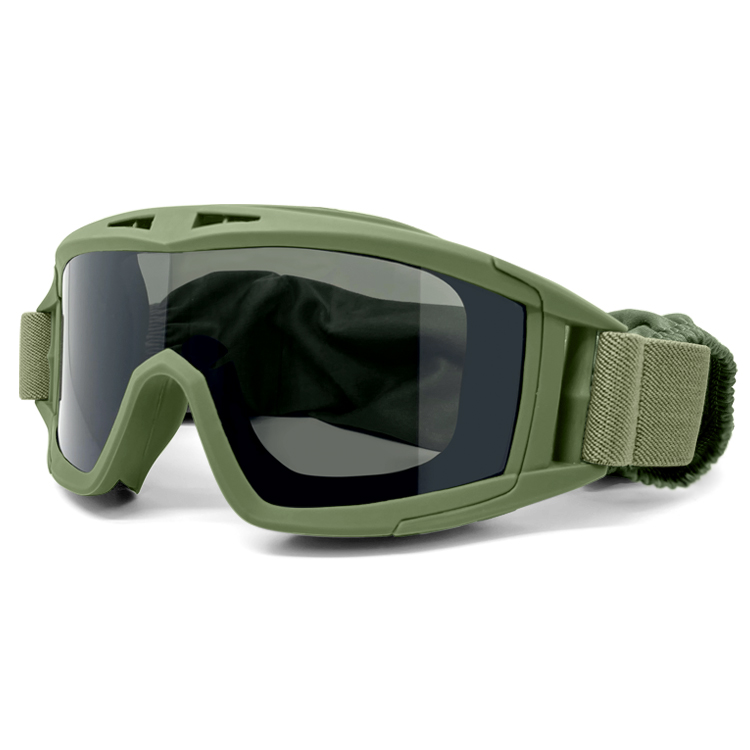
Comparative opening: clarity, protection, and everyday use
When folks compare lenses, they usually talk clarity first, then toughness—like when choosing between a good pair of sport sunglasses for a sunburnt highway ride and a set of tactical goggles for a rough day on the range. For cyclists and outdoor riders who swear by polarized vision, a pair of polarized cycling glasses often shows how lens choice changes the game: glare drops, contrast pops, and your confidence goes up. This piece compares Grade-A polycarbonate substrates with alternatives so you know what to expect from impact resistance, UV400 protection, and field clarity when the stakes are high.
Why substrate matters: polycarbonate versus the rest
Grade-A polycarbonate keeps showing up because it combines low weight, high impact resistance, and decent optical clarity. Compared to glass and CR-39, polycarbonate is far lighter and way tougher—manufacturers often reference its superior impact resistance when certifying to ANSI Z87.1 safety specs. Trivex gives similar benefits with slightly better optical clarity, but it costs more. Glass has pristine optics but fails on weight and shatter safety for tactical use. For sports and tactical goggles you want a substrate that takes a hit and keeps you seeing—polycarbonate often fits that bill without extra bulk.
Real-world anchor: running routes and road glare on the Blue Ridge Parkway
Riding the Blue Ridge Parkway at dawn gives you vivid proof why lens choice matters—sunlight slants, wet pavement gleams, and glare can hide gravel. There I learned that polarized cycling glasses cut reflected glare from wet surfaces and made debris and potholes easier to spot—oddly reassuring on a steep, twisty stretch. Polycarbonate lenses paired with correct tints and anti-fog coating gave the best mix of protection and visibility for long climbs—less strain, fewer surprises. Riders I know swap lenses by conditions: clear for low light, darker tints on sunny descents, and polarized when glare’s the problem.
Common mistakes and practical alternatives
Most folks mess up two ways: they pick optics for looks over function, or they assume one lens does every job. That’s a mistake. For close-in threat recognition and shrapnel protection, go Grade-A polycarbonate with scratch-resistant coating and a wrap frame for side protection. If you need razor-sharp long-range clarity—say for precise target work—consider glass or high-grade Trivex instead. Anti-fog coating and proper ventilation matter more than you think—poor venting fogs lenses faster than you sweat. And don’t forget lens tints: neutral grays preserve true color, amber boosts contrast in low light, and mirrored finishes reduce overall brightness.
Fit, certification, and the specs that count
Fit beats fancy bells every time. A sealed frame that mates to your cheek and brow gives real protection. Look for ANSI Z87.1 or military-impact ratings when you want verifiable performance. Important specs: UV400 blocking, measurable impact resistance, and coherent optical grade (minimized chromatic aberration). Keep industry terms in mind—polycarbonate, anti-fog coating, frame wrap—when you check labels. Also check lens interchange systems if you need multiple tints; swapping lenses should be tool-free and secure.
How to choose: three golden rules
1) Protection first: pick a Grade-A polycarbonate or Trivex substrate when impact resistance and lightness matter—verify ANSI Z87.1 or similar certification. 2) Visibility second: match lens tint and polarization to your environment—polarized for reflective water and wet roads, amber or rose for low light, neutral gray for color fidelity. 3) Fit and airflow third: a well-fitting frame with ventilation and anti-fog treatment keeps lenses usable longer and reduces distraction. Those three cover safety, sight, and comfort—pretty much the whole checklist.
Final take and where YIJIA Optical fits
Summing up: Grade-A polycarbonate gives the best everyday balance for custom anti-impact tactical goggles—lightweight, certified impact resistance, and adaptable tint options—while Trivex and glass serve niche needs for optical purity or extreme clarity. Choose by what matters on your ride or mission: protection, visual performance, or a trade-off between the two. For a supplier that lines up those options cleanly, YIJIA Optical presents practical combinations and clear specs you can trust. Short takeaway: pick the lens that solves the real problem at hand, and you won’t be fussing with it mid-ride.