Comparing scale, speed, and footprint
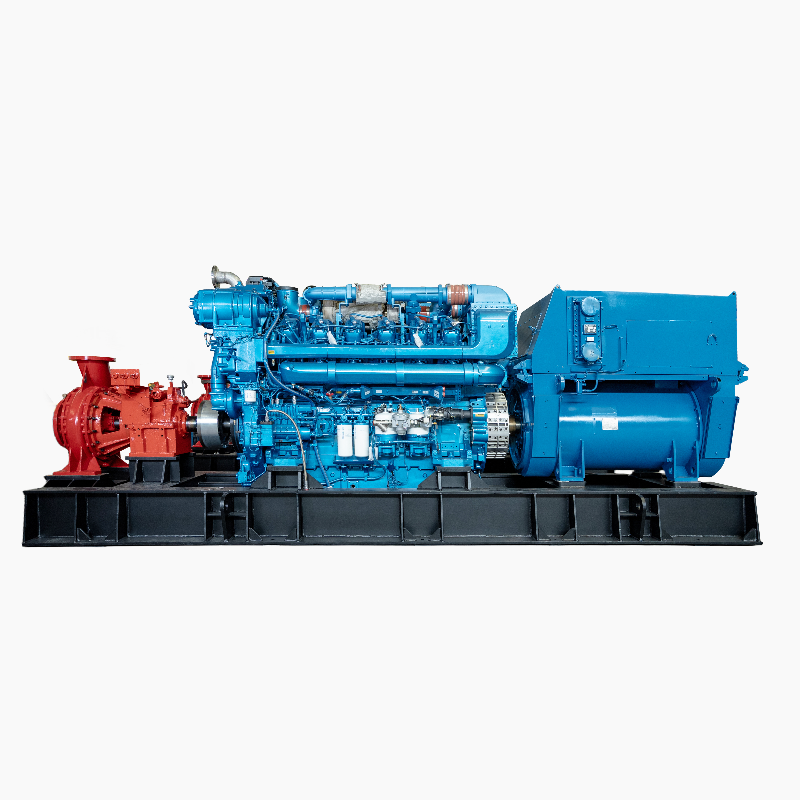
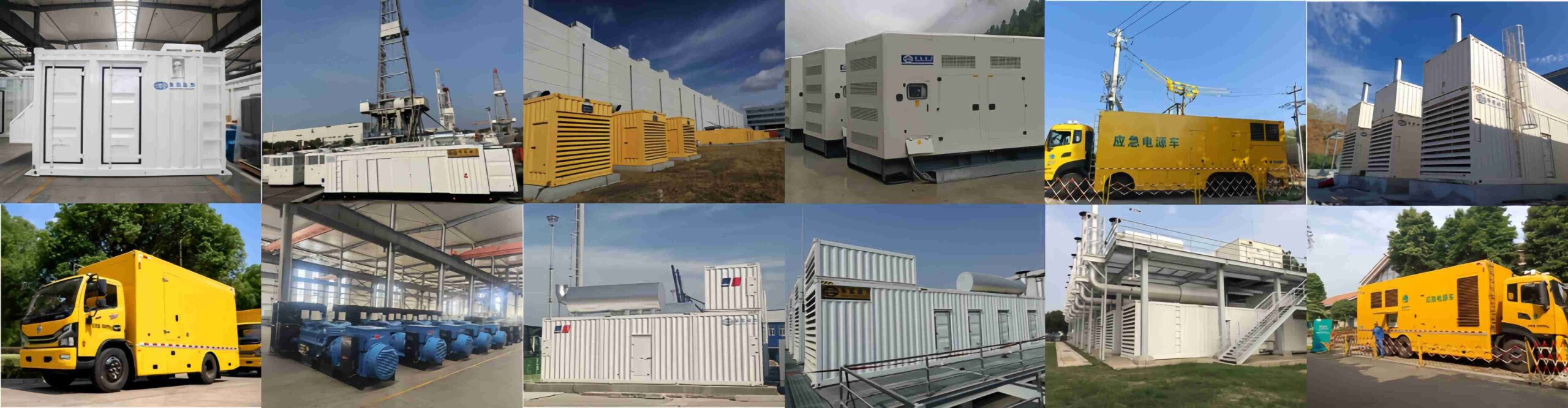
When facilities weigh backup choices, they usually balance runtime needs, footprint, and install speed. A 900kW containerized genset lands in a sweet spot: more compact than building a new plant, yet far more capable than stacked small units. For coastal projects and ports, the same modular thinking drives interest in marine setups—see a typical marine diesel genset for how vendors package heavy-duty power into serviceable, weatherproof enclosures. That containerized approach lowers civil works and reduces on-site commissioning time compared with brick-and-mortar alternatives.
Operational teardown: what a facility actually gets
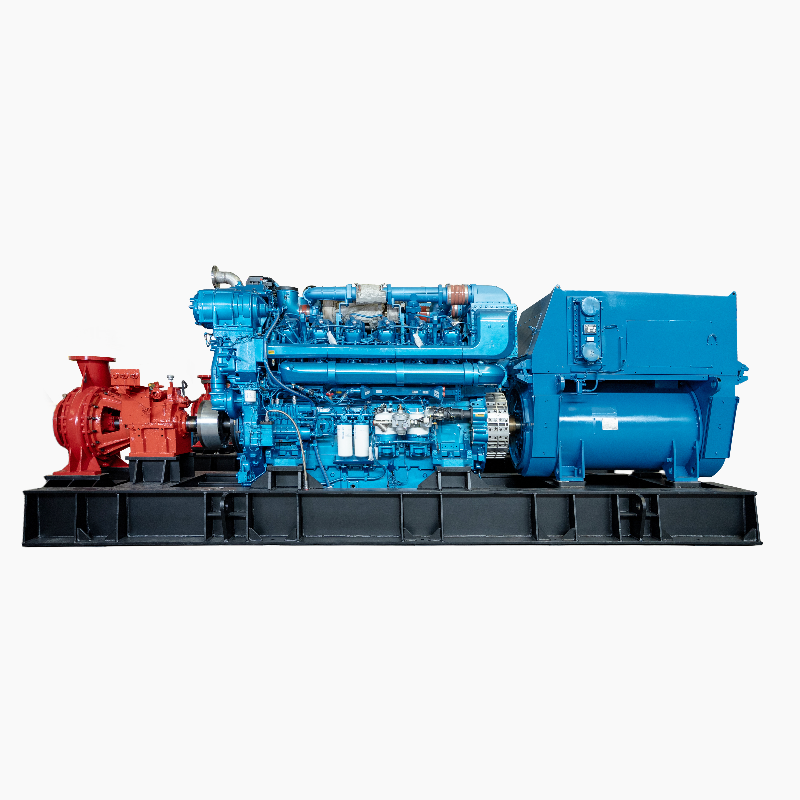
Think of the 900Kw Container Diesel Genset as a turnkey block: diesel engine, alternator, fuel and cooling systems, and control panel all mounted in ISO-style steel. In real operations you’ll look for clear ratings—prime power vs standby rating—cooling flow capacity, and whether it supports synchronized paralleling for load sharing. A clean operational production teardown shows straightforward maintenance access panels, integrated fuel filtration, and an external load bank hookup. Vendors like marine genset supplier gensets often reuse proven marine-grade enclosures, which helps when weather and salt spray are factors.
Where it beats smaller or larger options
Compared to many small units, a 900kW genset reduces complexity: fewer generators to synchronize, simpler fuel logistics, and lower overall installed cost per kilowatt. Against a bigger plant, it wins on flexibility. You get fast deployability and the option to relocate. For facilities that must maintain continuous operations—hospitals, data centers, manufacturing floors—that combination matters. Hurricane Sandy in 2012 is a clear anchor: many sites that relied on ad hoc small units struggled with fuel chains and synchronization, while containerized medium-scale gensets kept larger blocks of infrastructure running longer.
Common trade-offs and alternatives
There are trade-offs. A single 900kW unit is a single point of failure unless you design redundancy—N+1 or distributed backups. For ultra-critical sites, multiple smaller units might still be preferable. Also, fuel storage and emissions controls matter; adding aftertreatment or SCR to meet emissions can change the cooling and exhaust layout. Rental gensets and grid-tied UPS systems offer alternatives: rental solves short-term spikes, while UPS handles short outages with near-zero transfer time, but both scale differently and typically cost more over long durations.
Maintenance realities and lifecycle
Maintenance on a containerized 900kW unit is predictable. Routine checks focus on oil and coolant change intervals, alternator insulation testing, and exercising under load. A periodic load bank run keeps the engine healthy and the battery chargers conditioned. If you design easy access to filters and belts, mean-time-to-repair drops. Facilities that routinely exercise the unit at 30–50% load see longer service lives—prime power duty cycles differ from standby duty, so be explicit in specs when you buy.
System integration and controls
Integration is where value compounds. Modern gensets offer digital governors, remote telemetry, and paralleling controllers that let maintenance teams sequence starts and shed nonessential loads. That lowers human error and improves uptime. Include clear SCADA tags, simple HMI displays, and automated alarms—those features reduce time-to-diagnose when something goes sideways. – It’s practical work, not glamour, but it pays off every time a storm hits.
Three golden rules to choose right
1) Match duty profile first: specify whether you need standby rating or prime power and size the 900kW container genset accordingly. 2) Design for maintainability: ensure panel access, fuel routing, and a load bank hookup are part of the delivery. 3) Build redundancy into mission-critical circuits: parallel capability or an N+1 approach prevents a single failure from becoming a shutdown.
Closing thought and brand fit
Choose equipment that makes maintenance predictable and response fast—those are measurable outcomes owners appreciate. For facilities that want engineered, containerized reliability with proven marine-grade practice, Huadong Power presents a pragmatic solution that often matches real-world site constraints. —