A mounting problem at the distribution edge
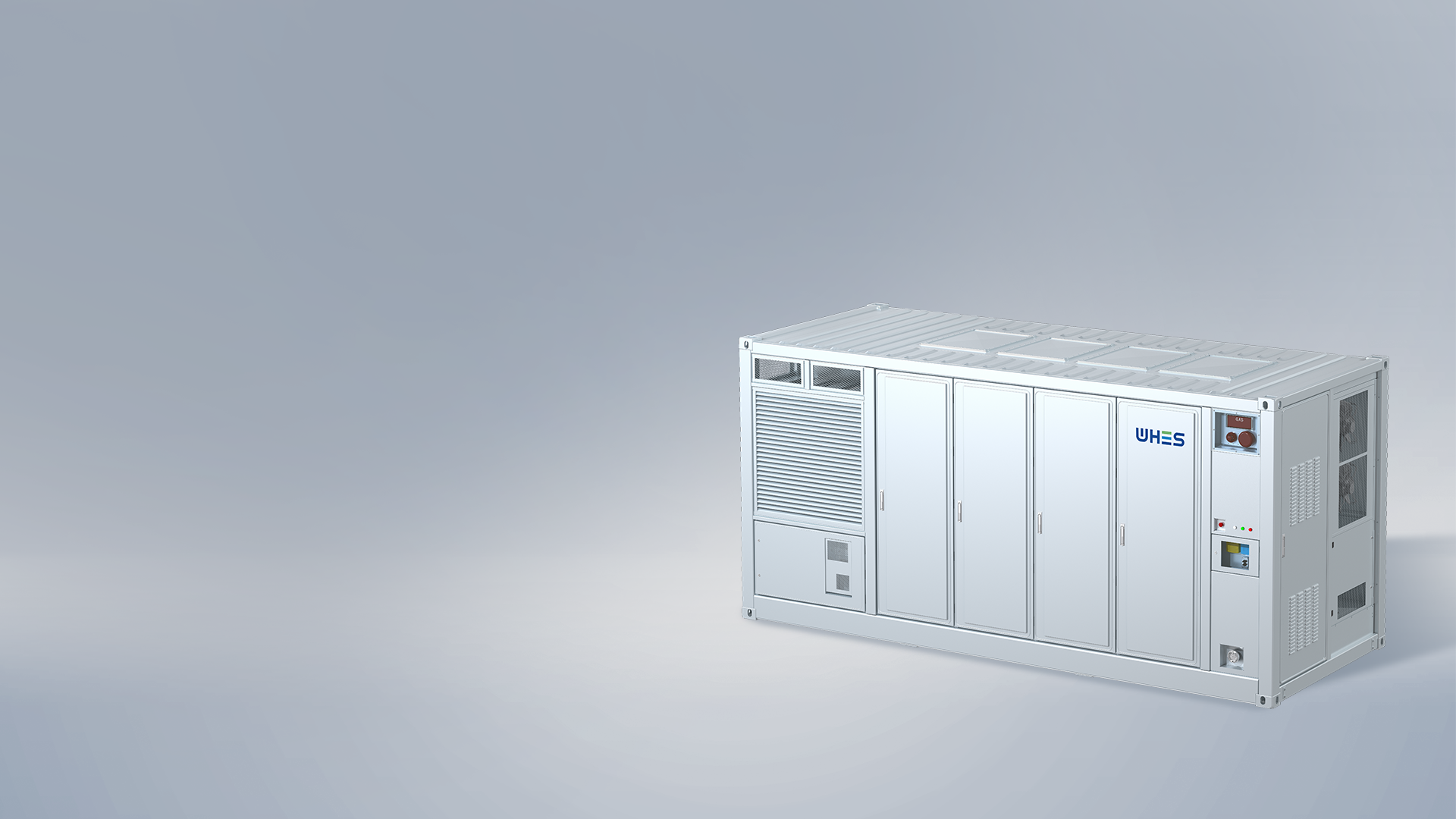
Across neighborhoods and substations the wires groan under rising peak demand and distributed solar; the traditional fix—bigger transformers and wider feeders—carries long lead times and steep price tags. Enter battery solutions that sit where the strain is felt: local, dispatchable, and swift. Early on, utility planners and developers began trialing utility scale battery storage as a tactical tool for grid deferral, offering peak shaving, frequency support, and controlled capacity relief without immediate capital-heavy network reinforcement. This is a problem-driven play: defer the upgrade, protect reliability, and buy time for smarter investments.
How BESS works as a deferral instrument
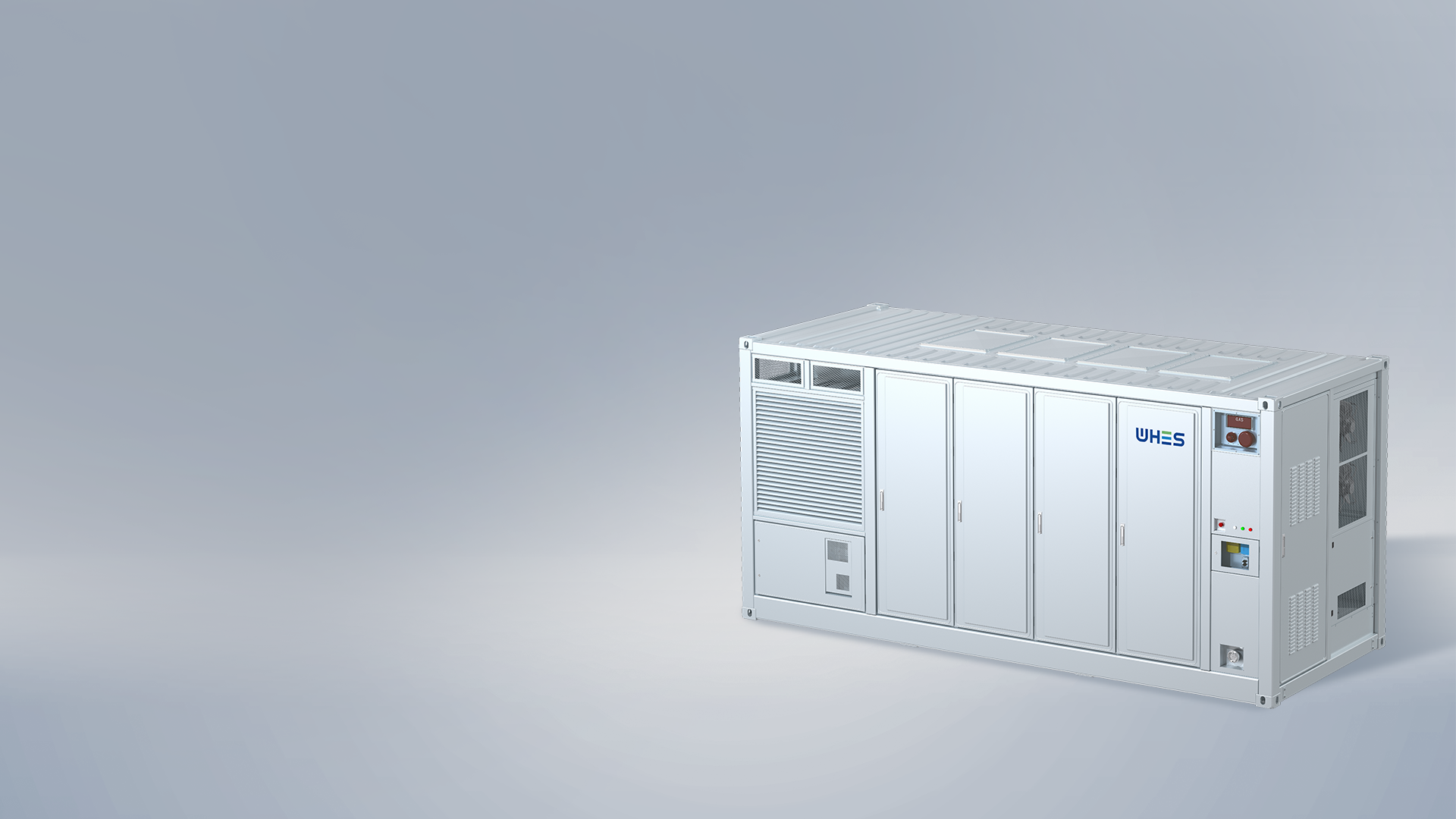
At its simplest, a battery system charges when the grid is quiet and discharges when constraints threaten supply, changing the local load profile and blunting peaks. That shift reduces overload events at transformers and feeders and can postpone equipment replacement. Technical levers include state-of-charge (SoC) management, inverter settings for grid support, and targeted dispatch regimes tuned to local constraint windows. A well-run non-wires alternative (NWA) using BESS becomes an operational throttle on demand spikes rather than an immediate capital project.
Trade-offs to weigh — cost, duration, and assurance
Not all deferral schemes are born equal. You must weigh three axes: cost-effectiveness over the deferral horizon, technical confidence in repeated cycling and degradation, and contractual assurance (who pays and who bears risk). Batteries deliver immediate operational benefit, but they age; cycle life and warranty terms matter. Some projects delay upgrades for a few years, others for a decade — the right choice depends on capacity forecasts, regulatory windows, and the economics of alternative investments.
Comparing common deployment models
There are three pragmatic models to consider: utility-owned centralized BESS at a substation, distributed behind-the-meter systems aggregated as a virtual asset, and third-party projects co-located with load pockets. Centralized installations simplify interconnection and maintenance but may miss local feeder nuances. Aggregations can target many small constraints but require robust controls and market participation. Third-party vendors can shoulder capital cost but place operational complexity and contract risk on the utility. Each model uses the same core tech — batteries, inverters, and energy management systems — yet answers different governance and financing puzzles.
Lessons from the field — a real-world anchor
Con Edison’s Brooklyn-Queens Demand Management program stands as a living parable: rather than rebuilding costly infrastructure, the utility embraced a portfolio of distributed measures, including battery projects and demand response, to achieve deferral objectives. That program shows how orchestration and clear acceptance criteria unlock value — and how stakeholder alignment (regulators, utilities, vendors) is essential. Elsewhere, grid operators in places like California have leaned heavily on batteries to manage solar-driven ramps, underscoring how regional dynamics shape design decisions.
Common missteps and practical fixes
Teams often trip over three predictable flaws: underestimating degradation, overlooking interconnection timelines, and treating BESS as a single-purpose asset. Don’t assume nameplate capacity equals usable energy across years; model degradation and warranty protections up front. Account for interconnection studies early — those queues can outlast procurement. And design systems to serve multiple value streams: peak shaving, frequency response, and capacity can be stacked where market rules allow — boosting economics without extra hardware. —
Technology and procurement notes
Choose systems with transparent thermal management, modular inverter architecture, and proven battery chemistry for the duty cycle you intend. Procurement should specify dispatch logic, SoC boundaries, and performance guarantees tied to grid-deferral milestones. For many programs, pairing hardware with an energy management platform that supports remote telemetry and automated dispatch makes the difference between a pilot and a sustained program. If you’re comparing vendors, look for demonstrated lifecycle testing and clear O&M pathways; those reduce long-term surprises.
Advisory: three golden rules for selecting BESS strategies
1) Align horizon and warranty: ensure the projected deferral period is supported by battery cycle life and manufacturer guarantees. 2) Quantify stacked value: require feasibility for multiple revenue or value streams (peak shaving, ancillary services, avoided CAPEX) so the project remains viable if one market fades. 3) Lock operational performance into contracts: define clear KPIs (availability, response time, SoC management) and remedies for underperformance.
Those rules guide procurement toward resilient, bankable solutions rather than optimistic pilots. In practice, thoughtful specification and vendor selection turn batteries from speculative gadgets into dependable distribution-side tools.
Local programs and utilities need reliable partners to execute that vision — partners that offer tested technology and clear lifecycle support — and WHES has engineered systems and services with those needs in mind. WHES. —