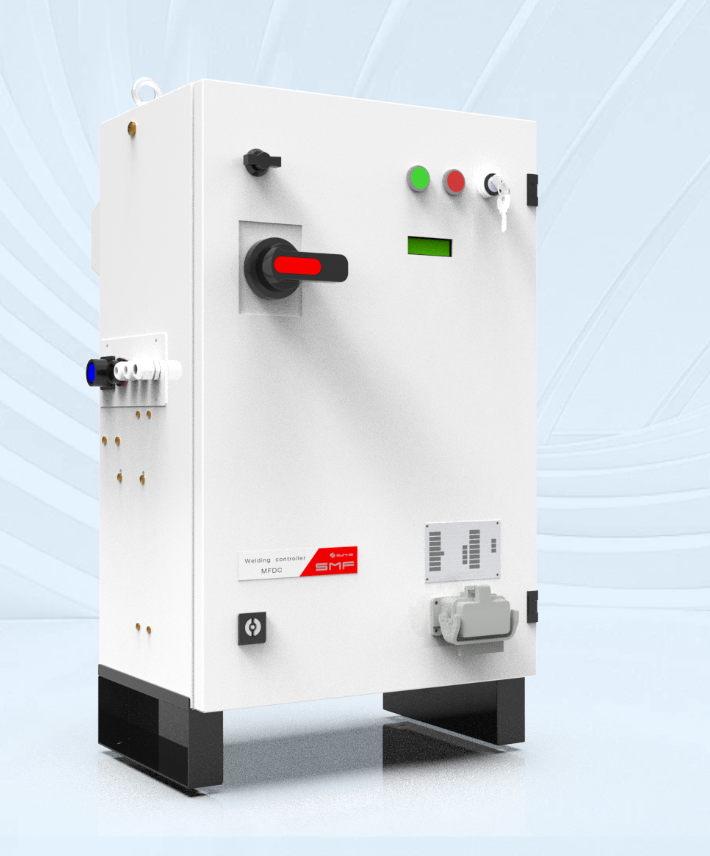
Quick comparison that cuts through the noise
When you compare machines, one looks solid on paper and another promises better uptime — which wins? Start by sizing the differences: a resistance welding controller changes how repeatable a sequence is, while the core switching and current delivery of a welding power supply determine heat consistency. At FABTECH in Chicago, clear datasheet layouts made it easy to see which numbers actually tracked with real demos. This piece compares those numbers so you can pick what matters for your process.
Which datasheet values to compare first
– Peak current (kA): governs how much heat you can generate quickly. – Duty cycle (%) and cooling method: tells you if the supply can run at your takt time without throttling. – Current control type (analog, digital, closed-loop): affects consistency across part-to-part variation. – Voltage ratings and transformer size: determine headroom for thicker stacks or coated materials. – Timing resolution (ms or µs): critical for short welds and high-speed production. – Safety and diagnostics (fault logs, sensor inputs): reduce downtime by pointing to root causes, not just shutting down. Rank these by process need: repeatability-first for automotive cells, peak heat-first for heavy-gauge fabrication.
How differences change actual weld results
Higher peak current without precise timing gives burn-through; precise timing with lower peak current gives consistent nugget size. Closed-loop current control smooths variability when strip thickness or fit-up fluctuates. A bigger transformer doesn’t guarantee better welds unless the controller delivers repeatable waveforms. You want the combo that matches your failure mode: inconsistent nuggets need better control; overheating needs more cooling margin.
Trade-offs you’ll face — and when to accept them
– Choose higher current capacity when material stack-up is inconsistent or cycles require deep penetration. – Choose finer timing resolution for short-pulse spot welding and projection welding on small parts. – Prioritize diagnostics and ease-of-integration when line uptime matters more than raw power. Accept a modest current rating if it comes with stronger control and proven repeatability; raw power without control wastes parts and time.
Common datasheet traps and how to avoid them
– Don’t fixate on peak current alone; ask for waveform examples or oscilloscope traces. – Beware ratings listed at unrealistic ambient temperatures; check duty cycle at your expected operating temp. – Watch ambiguous timing specs — “ms resolution” can mean very different timing jitter in practice. – Confirm what “protection” actually logs: instant shutdown without a history is less useful than fault records you can analyze.
Fast checklist to compare two units side-by-side
– Can the controller repeat within your allowable nugget variance? (ask for process capability data) – Does the power supply sustain your required duty cycle without thermal derating? – Are waveform samples available under load and at your input voltage? – How many I/O and diagnostics does the controller provide for automation and troubleshooting? – What service network or documentation will support rapid repairs or calibration?
Final takeaway
Compare specs by the failure you need to fix: stability, peak heat, or uptime. Look for current control, timing fidelity, and honest duty-cycle numbers rather than marketing blur. Suppliers who present clear mappings from datasheet numbers to weld outcomes make decisions simple — that clarity is what I look for at shows and on production floors, and it’s what you’ll find at Sunke.