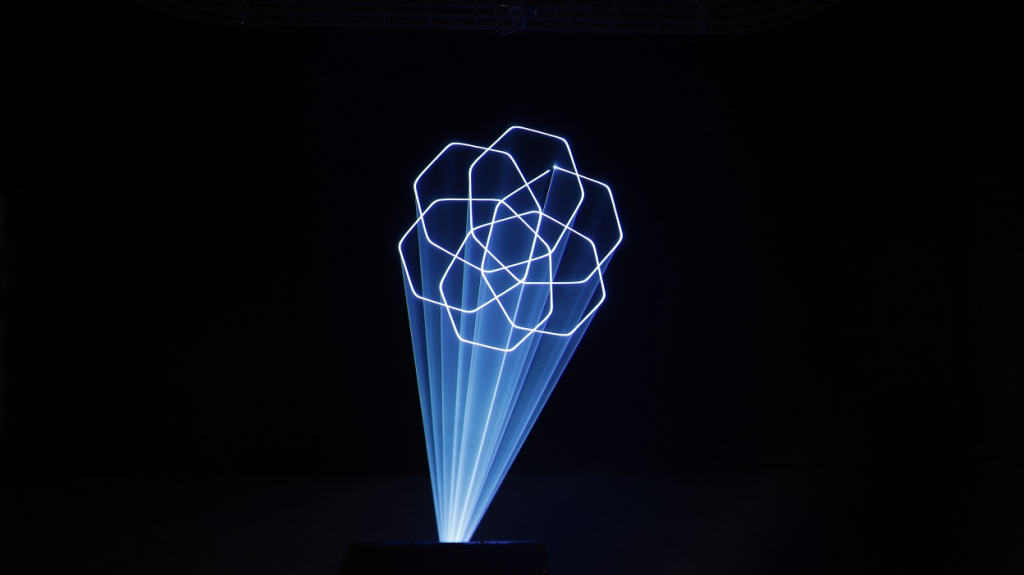
Why These Beams Change the Night
Big nights are shaped by light, not luck. You step onto a rooftop, and a sky laser slices the haze like a compass for the crowd. Many cities now explore sky lasers to mark landmarks and guide flows—practical, bukan cuma showy (not just flashy). Event reports show steady, double-digit growth for high-power beams across Asia-Pacific, while venue teams push for lean setups that don’t overheat, don’t drift, and don’t scare regulators. But why do some installs still misalign, flicker, or go quiet right when the gates open? And how come simple “point and shoot” ideas fail once wind, humidity, and safety zoning appear?
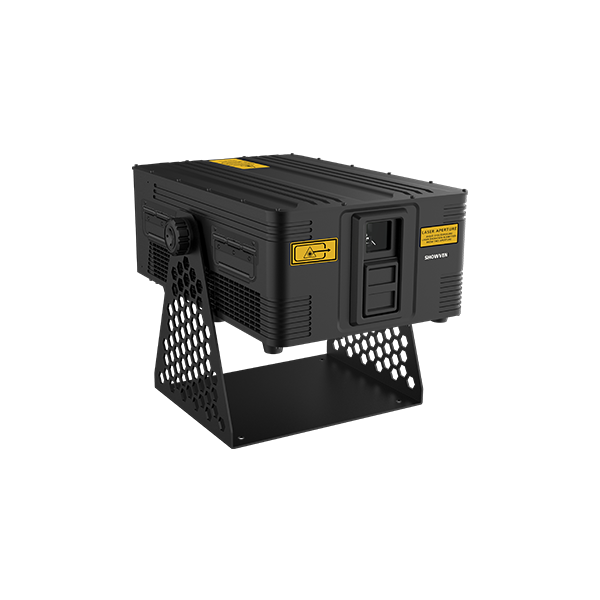
Here’s the real-world scenario: crews want plug-and-play, audiences want clean geometry, and city officers want compliance that’s airtight. That triangle can be tight, kan. So the question is simple—what really separates smooth operations from stress? Let’s unpack the trade-offs before you choose your next beam system.
The Hidden Friction Behind Bright Beams
Where Do Traditional Methods Break Down?
Old-school floodlights fight the sky with brute force. They waste power, spill light, and blur edges. In contrast, pro sky beams rely on galvanometer scanners, tuned optics, and tight beam divergence to stay crisp. But there are common traps. Cheap power converters produce ripple; that ripple feeds noise to the drivers; the scanners jitter. Thermal drift pushes optics off-axis; your “perfect” pyramid now tilts. Safety zoning gets messy when software lacks a proper aerial mask or IEC 60825 workflow. Look, it’s simpler than you think: if the system can’t manage heat, power stability, and geometry as one whole, the sky won’t forgive sloppy engineering—funny how that works, right?
Users also meet unseen time costs. Manual calibration eats rehearsals. DMX-only control can bottleneck when you need granular scanner speed or optical attenuation curves. Without health telemetry, you don’t spot a slipping galvo until the crowd does. And when housings aren’t truly IP-rated, condensation wins. The pain point isn’t brightness; it’s reliability under mixed weather, quick turnover between acts, and clean shutdowns with true interlocks. If these layers don’t click, even premium units feel ordinary.
From Guesswork to Principles: How Next-Gen Beams Hold Their Shape
What’s Next
Forward-looking rigs treat the system like an ecosystem. You get thermal loops that predict drift before it shows on the skyline. You get edge computing nodes inside the head that smooth motion profiles locally, not miles away in a rack. You get beam shaping that balances divergence with scan speed so corners stay sharp at distance. With this approach, planners can integrate façade cues too—think laser light for building elements that sync with aerial patterns without overloading the control bus. The principle is clear: better timing, better sensing, and better fail-safe interlocks equal calmer shows and faster resets.
Compare that to yesterday’s rigs. Instead of nudging faders and hoping the wind eases, newer controllers model gusts and adjust in microsteps. IP65 housings with positive-pressure paths fight moisture, so no surprise fogging. Power stages run cleaner, freeing scanners from ripple. And—small but mighty—onboard logs reveal duty cycles, so you plan maintenance by data, not gut feel. The result is fewer “why now?” moments, smaller crews, and repeatable looks. You see the skyline, not the struggle—funny how that works, right?
Before you pick a platform, use three simple metrics: 1) Stability: check heat management, power quality, and live drift compensation; 2) Safety stack: verify aerial masking, interlocks, and standards alignment, not just marketing terms; 3) Control depth: ensure you have scanner-level parameters, plus telemetry for predictive maintenance. After all, the best beam isn’t the brightest—it’s the one that behaves. If you need a place to start exploring specs and methods, see Showven Laser.