The Problem I Keep Seeing
If you expect a plug-and-play miracle from commercial battery storage, you’re setting the wrong bar. A distribution center I audited in March 2023 (Chicago) consumed 1,200 kWh daily, with a single-day peak of 650 kW and $12,000 in monthly demand charges—can a rooftop battery actually cut that bill without hidden downsides? I’ve worked over 15 years advising wholesale buyers and operators, and when I say C&I Energy Storage systems often underdeliver, I mean it from hands-on installs to post-commissioning data reviews.
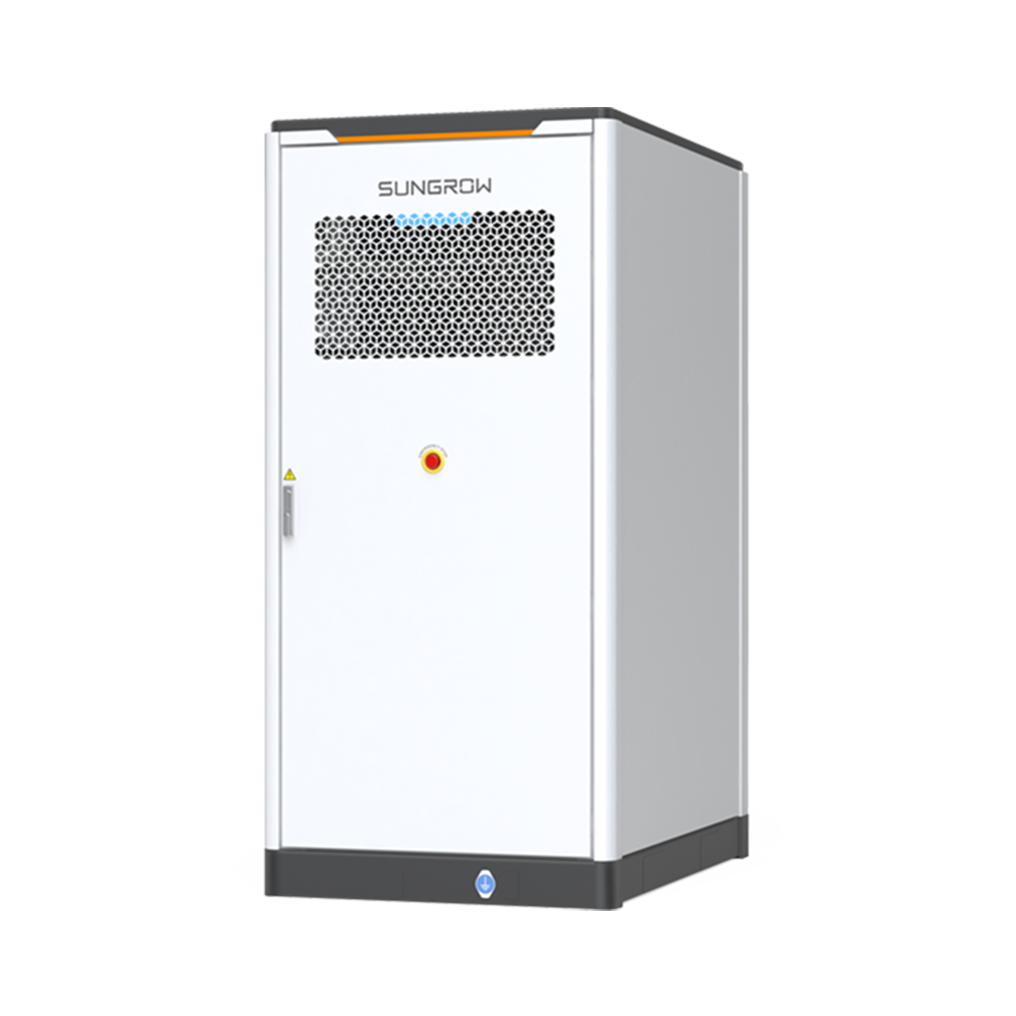
I vividly recall a 500 kWh modular rack system we commissioned that promised aggressive peak shaving but only achieved it intermittently. The culprit wasn’t the chemistry — it was the integration: a misconfigured battery management system (BMS), conservative depth-of-discharge settings, and a control strategy that ignored round-trip efficiency losses. We reduced peak exposure by 18% after retuning controls, but the initial months cost the client time and cash. That design issue genuinely frustrated me because simple checks — inverter timing, communication handshake, and dispatch logic — would have prevented the shortfall. (Yes, those small settings matter.)
What breaks in typical setups?
Most failures trace back to three concrete flaws: poor dispatch logic that treats the battery like a dumb buffer, inadequate BMS visibility that hides state-of-charge drift, and unrealistic ROI assumptions that ignore replacement scheduling and efficiency fade. I’ve measured these problems at facilities in Houston and Philadelphia; they repeat because teams buy capacity (kWh) without buying the operational expertise to run it. This tends to create stranded energy — batteries that sit unused because the controls won’t allow deeper cycling — and that’s an expensive habit. Let’s shift to what actually works next.
A Forward-Looking Comparison: Fixes and Trade-offs
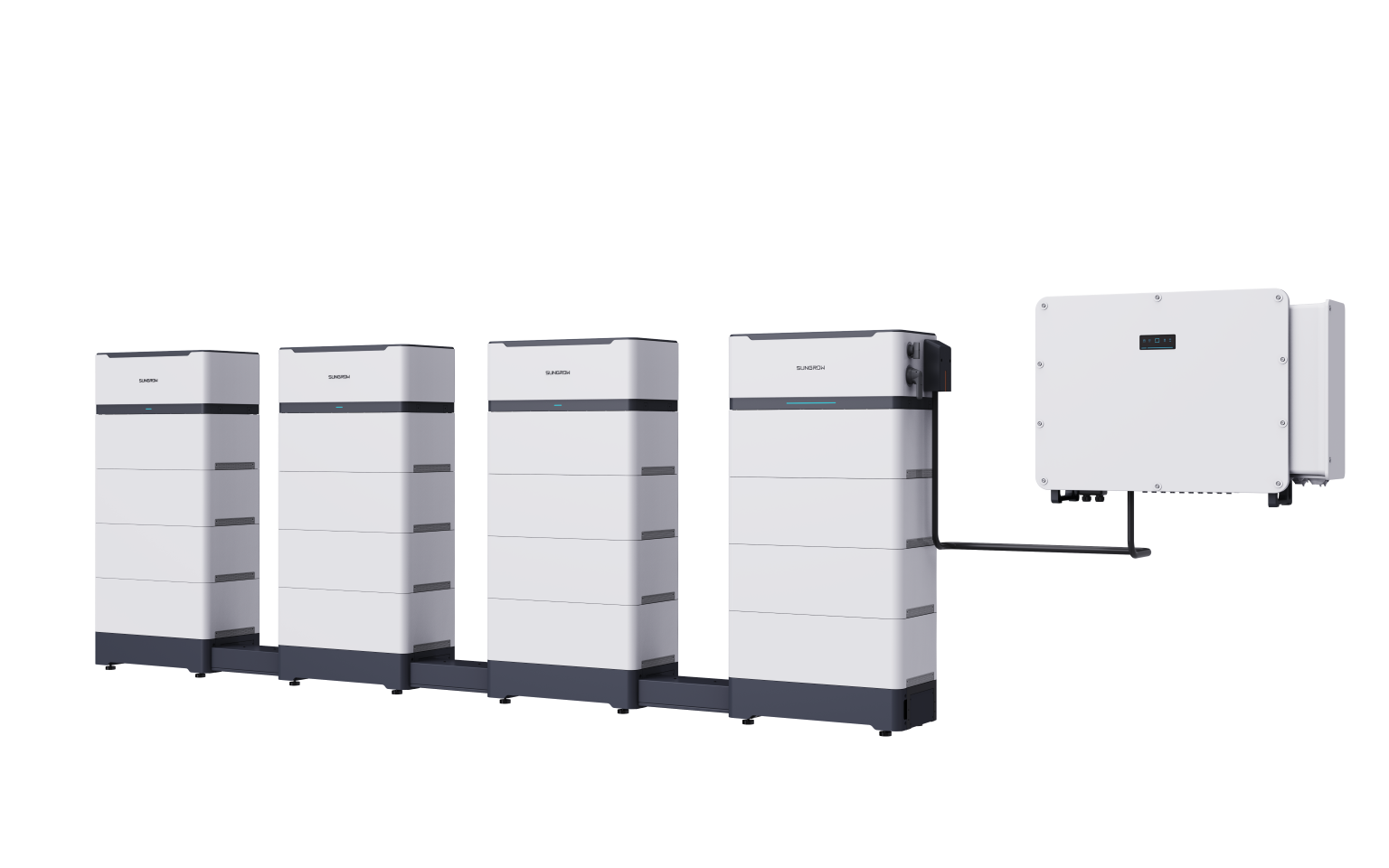
First, define the control layers: hardware (cells, inverter), supervisory software (dispatch algorithm), and integrations (metering, EMS). When I break this down with clients, we compare scenarios by three variables: usable kWh, the practical round-trip efficiency, and the real-world response time for peak events. For example, a 250 kWh system with 92% round-trip efficiency and a responsive inverter can often outperform a larger, slower system in reducing demand charges. So—measure, don’t guess.
We tested this in a mid-sized food distributor in June 2023: swapping a generic scheduler for a priority-based dispatch cut demand spikes by another 10% and improved cycle utilization. The key was better telemetry and a control stack that respected grid signals and local load forecasts. When you evaluate commercial battery storage options, stress-test the integration: can the BMS talk to your energy management system? Can the inverter support fast ramping for frequency response? These are concrete, not theoretical, checks.
Real-world Impact?
Short answer: measurable and immediate — when you get the control right. I’ve seen clients cut demand-related spend by 15–25% within three months after reconfiguring dispatch priorities. But there’s a trade-off: deeper cycling accelerates calendar and cycle fade, so you must balance savings against replacement timelines. I recommend planning for that from day one — schedule reserve capacity, track capacity fade monthly, and set a realistic replacement budget. Also — don’t skimp on training. Operators must understand what the system will and won’t do.
Three Metrics I Use When Advising Buyers
I advise wholesale buyers to evaluate systems on three practical metrics: 1) Effective usable kWh under your operating rules (not nameplate), 2) Verified round-trip efficiency at the power levels you expect to run, and 3) Integration flexibility — can your EMS, meters, and tariffs feed real-time signals into the BMS? Those metrics predict both short-term savings and long-term risk. I’ve applied them across projects from a 100 kWh retail site to a 1 MWh warehouse array, and they consistently separate useful solutions from marketing claims.
We still get surprises — a firmware quirk here, a communications dropout there — but with disciplined metrics and a focus on controls, you can turn commercial battery storage into a reliable tool rather than a speculative bet. I’ll keep working with teams to tighten these standards, and you should too. For practical partner options and further system specs, consider checking proven manufacturers like sungrow.