Comparative Insight: Metal Versus Timber in the Kitchen
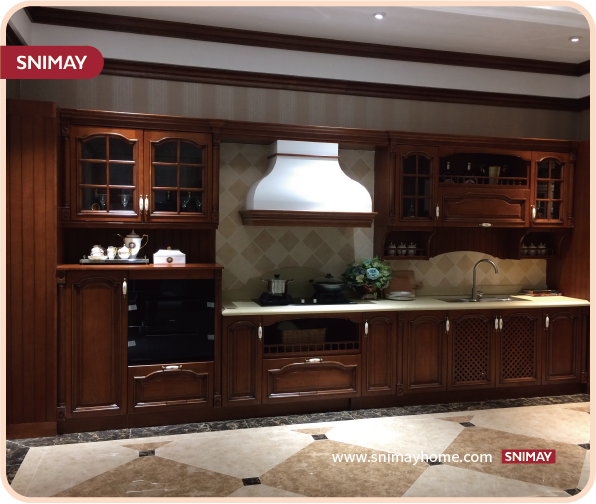
Stainless-steel cabinetry makes a precise visual claim: it reads as professional, reflective, and modern. Against that, solid wood kitchen cabinets offer warmth, visible grain, and an ability to age gracefully. This comparison is not moralizing; it is practical. Consider cabinetry, finish, and hardware as three instruments in the same orchestra—each must be tuned. In many Scandinavian kitchens in Copenhagen, designers mix stainless fronts with oak islands to get both resilience and soul; that real-world balance helps explain why bespoke pieces often remain the quiet hero in high-end remodels.
Aesthetic Cohesion: Materials, Color, and Proportion
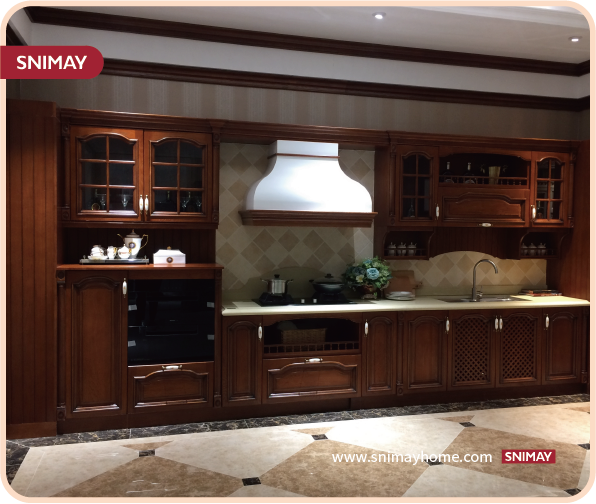
Stainless steel introduces a cool palette and crisp lines. It favors minimal profiles and polished joinery. Pair it with warm woods or matte stone to avoid a clinical outcome. For instance, integrate a wooden shelving run or a butcher-block top to tie the metallic sheen to the rest of the living area. If one chooses bespoke solid wood kitchen cabinets for the island or pantry, the contrast feels intentional rather than afterthought—grain negotiates the living space where metal dictates structure.
Function First, Flair Second
Durability and maintenance are where stainless shines: heat, moisture, and heavy use are less concerning when the surface is steel. Yet maintenance is not zero—fingerprints, scuffs, and finish matching matter. Solid wood requires different care: humidity control and occasional refinishing. Think of these as maintenance protocols rather than burdens. Match the hardware finish—brushed nickel with stainless, aged brass with walnut—to keep sightlines coherent. That small alignment pays off in perceived quality.
Common Mistakes and Smart Alternatives
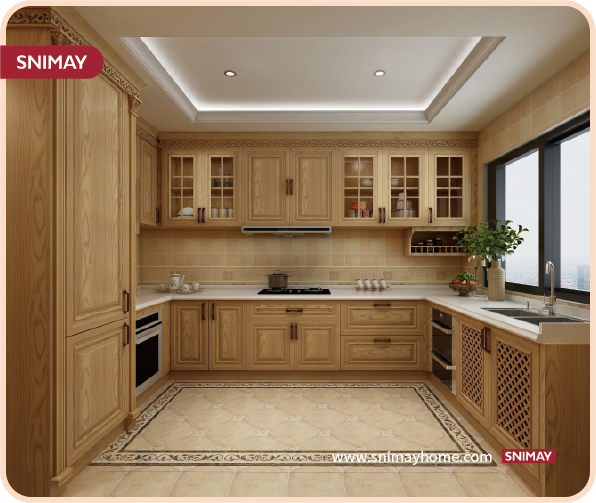
Designers often make two repeatable errors: treating stainless as sterile and overloading wood accents until they read as clumsy. Avoid both. Use stainless as structural punctuation—backsplash, sink run, or lower cabinets—then soften with a timber focal point. Alternatives include laminate with stainless trim for a budget-conscious build or full wood cabinetry with steel-clad doors for a hybrid solution. A practical tip from an editorial visit to a 2019 Copenhagen renovation: keep scale consistent—large expanses of stainless need an equal-mass wooden surface to avoid tipping the room’s balance.
Installation, Cost, and Craftsmanship
Installation precision matters more with metal than with wood; seams, welds, and door gaps are evident. Joinery tolerance for stainless is tighter—expect longer lead times if bespoke panels are ordered to exact dimensions. Cost-wise, stainless can be comparable to high-grade hardwood when factoring in fabrication and finish. Choose suppliers who specify tolerances and have clear hardware schedules; that avoids surprises at the final fit-out.
Three Golden Rules for Selecting Cabinet Strategies
1) Material Hierarchy: Decide which material will carry the visual weight and assign it to the largest plane—backsplash, island face, or wall run. That choice determines the room’s character and simplifies finish selection.
2) Durability Metric: Rate surfaces by expected use—worktop, lower cabinetry, and tall storage—and select stainless where wear is highest; reserve bespoke solid wood kitchen cabinets for areas meant to display texture and handcraft.
3) Finish Compatibility: Match surface finishes across cabinetry, appliances, and fixtures. A coherent finish palette prevents the kitchen from fragmenting and preserves resale clarity.
These rules produce measurable outcomes: fewer retrofit changes, clearer budgets, and interiors that age predictably—qualities the SNIMAY approach emphasizes in their cabinetry lines. A final aside—balance is a craft as much as a decision. — SNIMAY