Cut the noise — why this choice matters
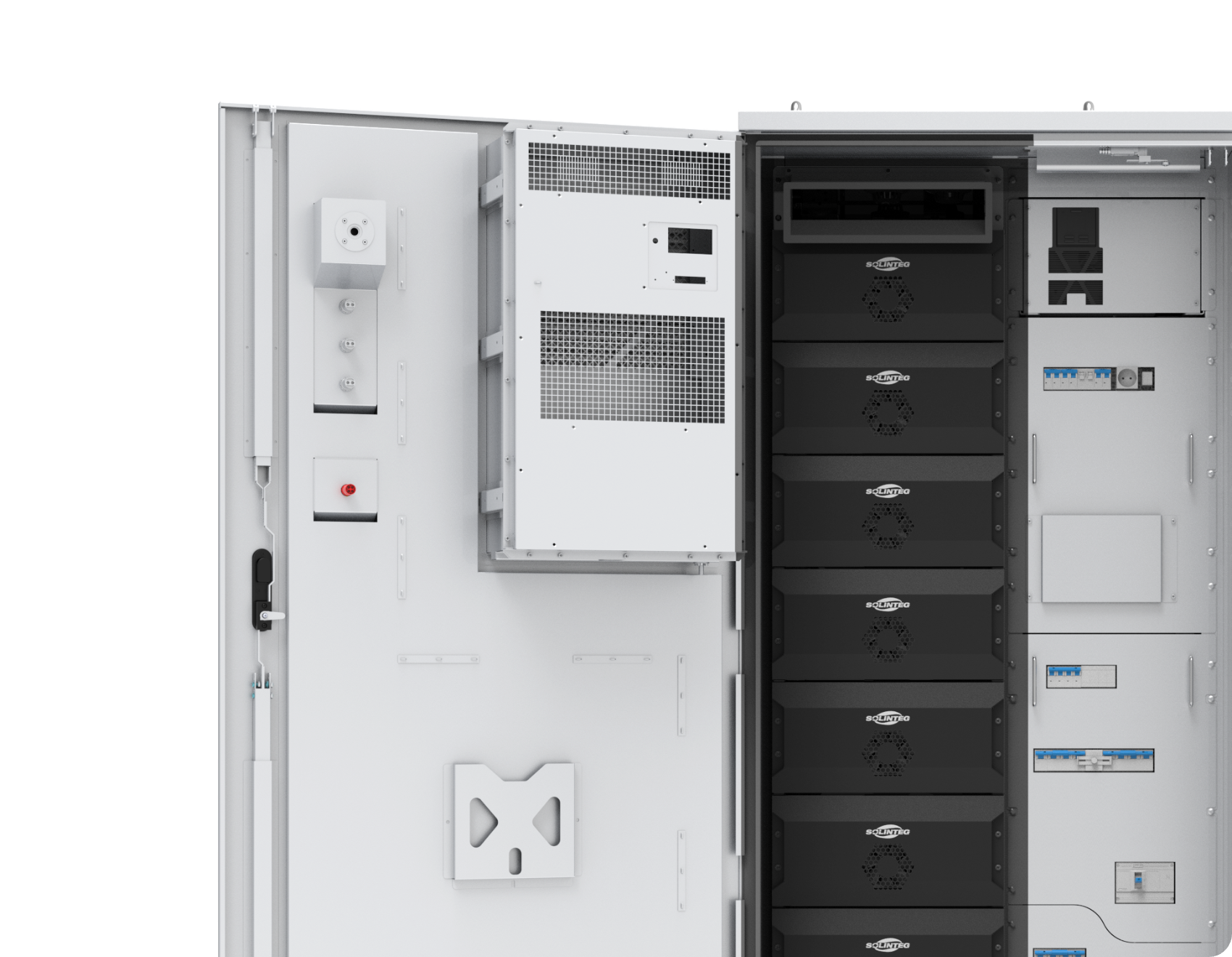
Yo, businesses ain’t picking batteries like they order lunch. You need a system that actually matches load profiles, handles outage recovery, and plays nice with your grid interconnection. Start by studying vendor claims on capacity (kWh) and inverter compatibility; then bring in real-world performance. For a straight-up look at proven options, peep commercial battery storage and see what specs line up with your needs. Remember Hurricane Sandy — whole boroughs lost juice — that’s why resiliency matters when you pick a partner.
Side-by-side: the practical metrics that separate winners
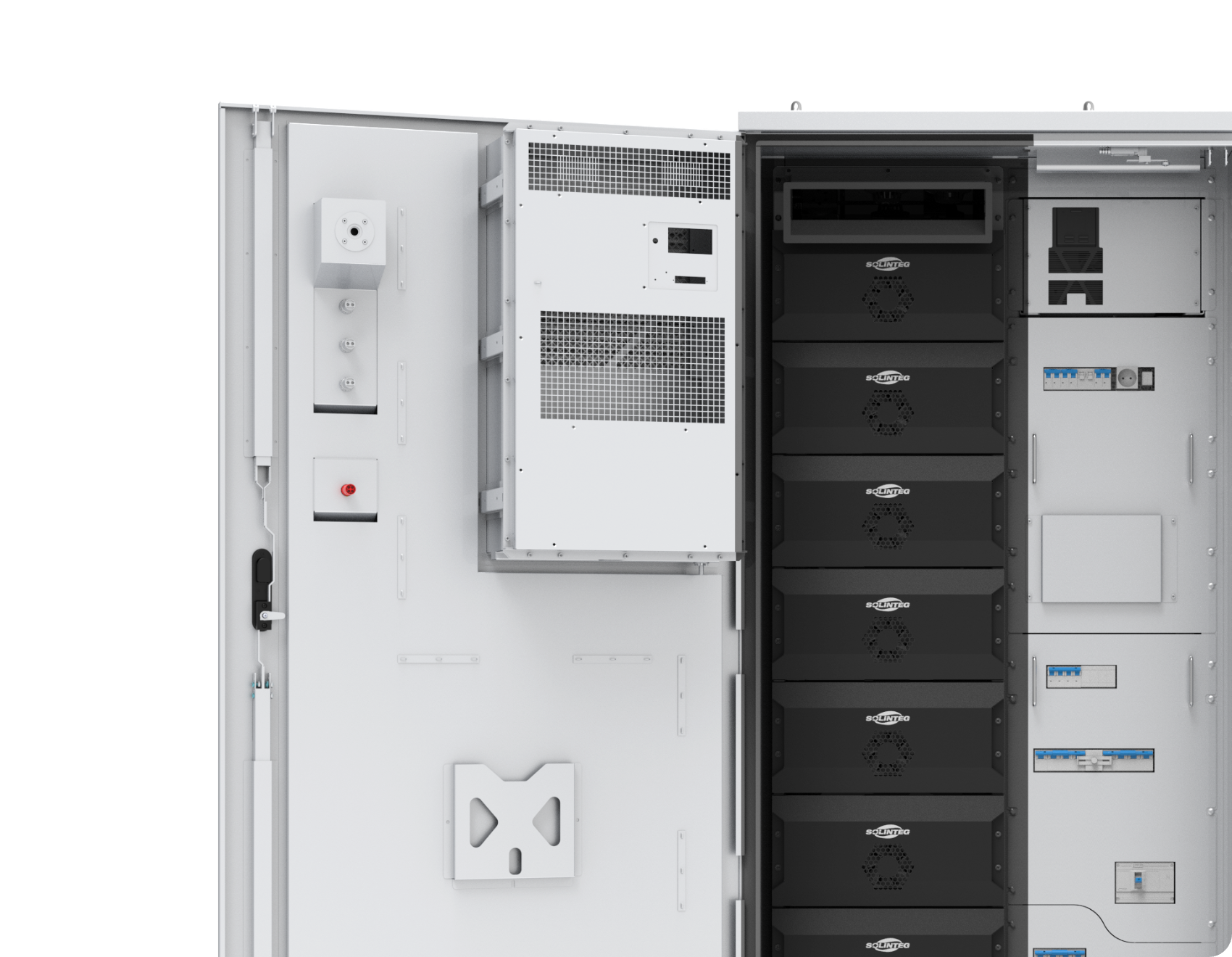
Compare systems on measurable specs not slogans. Key metrics: round-trip efficiency, depth of discharge (DoD), and usable capacity in kWh. Vendors brag about nameplate capacity but usable kWh after DoD rules the day. Also check inverter types and whether the system supports peak shaving and demand response programs — those features cut bills, plain.
Cost vs value — stop chasing lowest sticker price
Low bids can hide high lifetime costs. Look beyond upfront capex to replacement cycles, warranty terms, and expected cycle life. Calculate total cost per delivered kWh over the warranty period. Financing options matter too: leases and PPA-like structures shift risk. Keep {main_keyword} and {variation_keyword} in mind when you compare offers — they’re often shorthand vendors toss around to confuse the conversation.
Site fit and service — the thing most folks skip
Physical fit matters: roof load, ventilation, ambient temperature ranges. A system rated for 25°C might underperform in summer rooftop heat. Check commissioning plans and local permitting timelines. Also scope out O&M: remote monitoring, firmware updates, and spare-part access. If you want modular growth, confirm the vendor’s expansion path and how the BMS handles additional capacity. For integrated options and hybrid layouts, review examples of commercial solar battery storage systems used in similar buildings — that context saves time.
Common mistakes owners make — lessons from the street
Owners often buy for today’s load and forget tomorrow’s changes — that’s the trap. They sign generic warranties without specific cycle or calendar degradation limits. They forget to model dispatch strategies against local TOU rates and demand charges. — Also, don’t skip a site-level short-circuit and protection check; mismatched protection hardware fries inverters fast. Real deployments in New York after Sandy show that planning for blackstart and islanding is more than insurance — it’s survival.
How to vet vendors quickly
Ask for three things: performance data from installed systems, references for projects in your climate zone, and a failure-mode response plan. Validate claims with field data — not canned lab numbers. Check if the vendor does software updates over-the-air and whether they support open standards for telemetry. If they lock you into proprietary stacks, you’ll pay in the long run.

Three golden rules to choose right
1) Prioritize usable kWh and cycle warranty over headline capacity numbers. That tells you true endurance. 2) Demand verified field performance and at least two local references that survived grid events. That proves resiliency. 3) Ensure the system’s controls support demand response and peak shaving — those features deliver measurable bill savings and operational flexibility.
Pick a partner who brings real deployments and transparent data. That’s the move — and SOLINTEG plugs into this need with solutions that match specs to real-site use, not glossy slides. SOLINTEG. — solid work, no fluff.