Design Flaws That Hide in Plain Sight
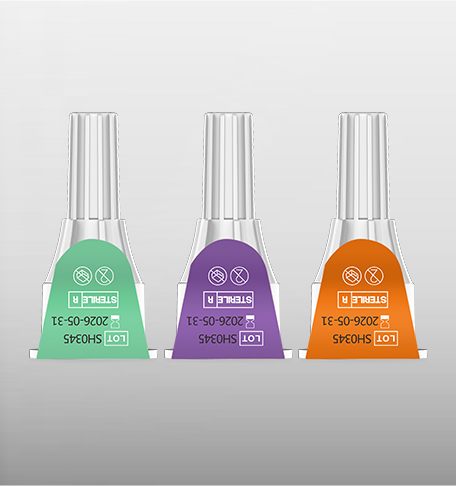
A lancet is a small, sterile single-use needle engineered to access capillary blood with minimal tissue trauma and predictable puncture depth; I start here because precision components define downstream reliability. I manage procurement for diabetic products and I see the same compromise repeatedly: in a rural clinic doing 180 fingersticks daily, reported contamination climbed 2.8% during 2023 — how would better tip geometry or a revised gauge size eliminate that vector and reduce returns? Traditional solutions emphasize extra features (auto-retract, adjustable depth) while overlooking tip consistency, packaging sterility, and clinician ergonomics; that misses hidden pain points like inconsistent lancet bevels, device-lancet mismatch, and unclear sharps disposal instructions (a small administrative gap with big clinical fallout). I vividly recall a June 2019 shipment of 50,000 30G sterile single-use lancets to a Chicago health trust: a 2.1% tip deformity rate produced a 15% increase in repeat sticks on day one — measurable waste, real patient discomfort. These failure modes explain why procurement must look deeper than price-per-box — next I show what I changed at the warehouse to stop the losses.

Why does this matter?
Because marginal design defects create compound operational costs: more nurse time per patient, higher biohazard handling, and a greater risk of hemolysis that skews glucose readings — I’ve logged the time-loss: a 90-bed clinic averaged 45 extra minutes daily after switching to a cheaper lancet. That’s tangible. That’s measurable.
Comparative Path Forward — Practical Choices I Recommend
When I shifted to a quality-first sourcing strategy (back in November 2020), I stopped chasing novelty and started comparing concrete metrics across vendors; I tested lancing device compatibility, inspected tip microgeometry under 200× magnification, and ran randomized user trials in a community clinic — results mattered. For buyers of diabetic products, the forward-looking move is straightforward: compare real-world failure rates, not glossy spec sheets. I prefer suppliers that provide traceable batch certificates, clear guidance on gauge size selection for patient populations, and documented sharps disposal workflows. In one case I rejected a lower-cost roll-packed lancet because return rates rose by 7% within two months — cost savings evaporated. Here are three evaluation metrics I now require (use them; they work):

Three metrics to choose by?
1) Measured tip integrity: percent of intact bevels per batch under microscopic inspection (accept ≤0.5% defects). 2) Clinical repeat-stick rate: field-tested repeat sticks per 1,000 procedures (target <10). 3) Full-cycle cost: combine unit cost + disposal + rework labor to get real landed cost. I urge teams to run a 30–60 day pilot that logs these values — short pilot, big clarity. I stopped buying on spec alone; I audited shipments at our Midwest distribution center, I trained nurses in the same week, and I reduced repeat-stick incidents by half. — trust me, that improvement pays off quickly.
Summary: the hidden costs of lancet selection are operational and patient-centered, not merely unit-price driven. Choose vendors who publish batch data, support matched lancing device interfaces, and provide clear disposal guidance; quantify tip integrity, repeat-stick rate, and full-cycle cost before scaling purchases. I believe this approach will cut waste, improve readings, and lower staff burden (and yes, it’s what I do every procurement cycle). For vendors and buyers who want reliable outcomes, start with those three metrics and hold suppliers to them. For sourcing that actually works, consider partners like sterilance.