Start with the problem
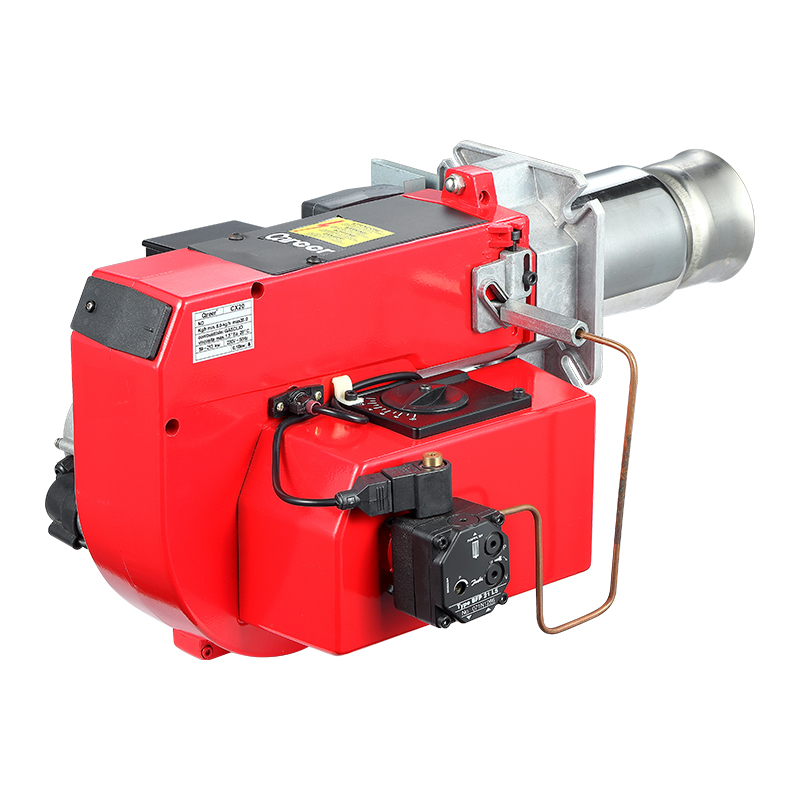
Furnace burner tubes crack, clog, and warp — and that messes with flame shape, heat transfer, and your schedule. I’ve spent several years servicing commercial and industrial units, so I’ve seen the same failures repeat. When long cold runs meet heavy soot loads, like during New England winters, you’ll notice tubes choking out fast; swapping parts without fixing root causes just buys time. A solid fix pairs the right tube with the right burner, which is why crews reach for an industrial oil burner that matches the tube geometry and airflow. Real-world performance also comes down to how the oil furnace burner and tube interact on the rig.

What actually breaks and why it matters
Tubes fail for three practical reasons: heat spots from bad flame patterns, corrosion from combustion byproducts, and mechanical stress from poor mounting. Bad flame shape burns unevenly, so one side of the tube does the heavy lifting and the other side stays cold, letting soot build. Corrosion eats metal slowly but shows up suddenly as leaks or pinholes. Fixing filters or dumping cash on a new burner won’t help if the tube’s material or fit is wrong.
Simple checks that catch the real issues
Look for discoloration and local thinning, not just a stray crack. Listen for whistling or odd harmonics — those tell you about airflow problems. Measure draft and stack temperature; if stack temps rise while efficiency drops, the flame isn’t transferring heat right. Do these basic checks before you order parts. They save time and stop wasted swaps.
Practical fixes that don’t overcomplicate things
Use tubes with compatible metallurgy. Stainless alloys resist corrosive condensate better than plain carbon in wet firing cycles. Match inner diameter and length to the burner’s nozzle and airflow pattern; wrong sizing changes velocity and flame anchoring. Clean and align the burner faceplate; even a few millimeters of misalignment changes flame shape. Replace gaskets and seals during tube swap — leaks ruin the job fast.
Common mistakes teams make
They over-spec materials thinking “more exotic = better.” That wastes money. They under-torque flanges or use the wrong fasteners, so the tube shifts under thermal cycling. They ignore simple combustion tuning because it’s “fine enough.” Those choices turn routine maintenance into repeat repairs.
How to prioritize maintenance actions
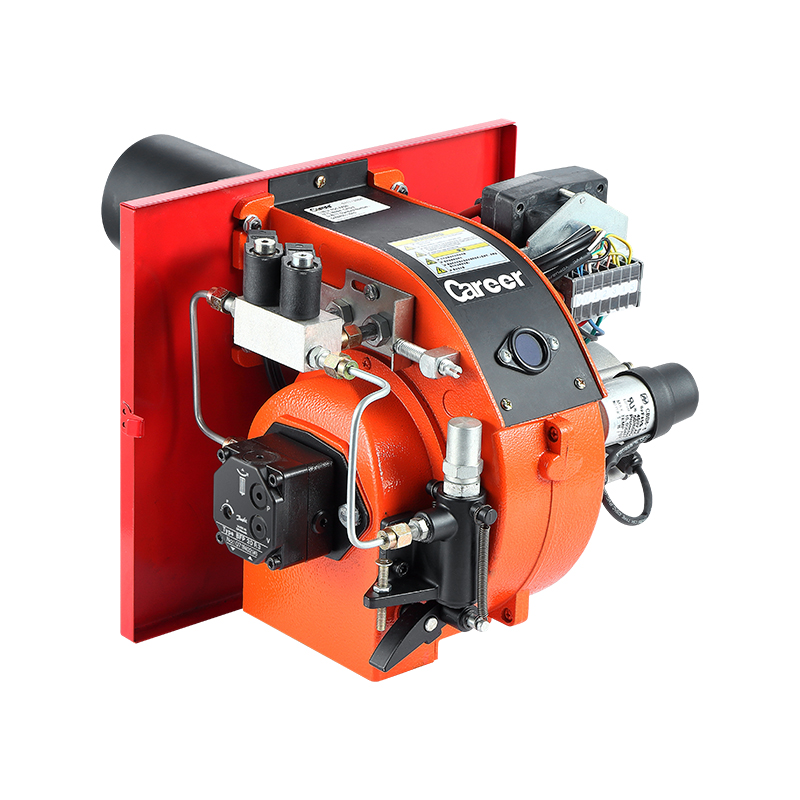
First: secure consistent combustion — tune fuel pressure, atomization, and air mix. Second: inspect tube surfaces annually where fuel quality or soot load is high. Third: log operating hours and service entries. If you see a pattern — say tubes needing replacement every two winters — the problem’s systemic: evaluate burner selection, fuel quality, and flue design together, not one item at a time.
Alternatives and trade-offs
You can pick cheaper tubes and accept higher replacement frequency, or invest in higher-grade tubes and stricter combustion control and extend service intervals. Ceramic coatings lower corrosion but hide damage under a layer that can flake; they’re best when paired with routine inspections. Consider modular tube inserts if you want faster field swaps and lower downtime.
The human side — skills that matter
Techs who understand flame visuals and basic combustion metrics spot problems before parts fail. Training beats guessing. Keep a small toolkit: optical inspection camera, draft gauge, and a simple combustion analyzer. Those let you make decisions that matter — like whether to retune the burner or replace the tube.
Where this leads you
Fixing burner tube problems means solving combustion, materials, and installation together. The quickest wins are correct alignment, matched tube-burner geometry, and routine checks. That approach reduces surprises and keeps furnaces running longer, with fewer emergency calls — which is exactly what teams who rely on measured choices and proven parts get from Career Burners.