Problem: unpredictable downtime and mismatched procurement
Projects stall when maintenance windows lengthen and material spec mismatches force on-site corrections; teams scramble to buy last-minute lubricants and surface treatments that don’t work with existing adhesives or sealants. Choosing the wrong application method raises labor time and rework risk, and procurement ends up stocking dozens of SKUs to hedge uncertainty. Introducing consistent industrial lubricant sprays addresses those root causes by making application repeatable and procurement forecasts measurable. adhesives and sealants fit into that workflow: compatibility with a chosen spray changes how you plan surface prep and purchase quantities.
Why a problem-driven fix is better than ad hoc buying
Ad hoc purchases treat lubricant choice as a stopgap. A problem-driven approach asks: what failure modes are we preventing? Sprays reduce variability in film thickness and coverage compared with manual greasing, which cuts the surface of unknowns procurement must hedge against. When planning, use spray consumption rates and application cycle time to convert maintenance tasks into predictable purchase orders. That shifts procurement from reactive single-item buys to scheduled replenishment aligned with maintenance windows.
Technical advantages relevant to planning and purchasing
Sprays provide quantifiable application parameters: droplet size, dry-film thickness, and coverage per can or drum. Those parameters feed straight into bill-of-materials models and reorder thresholds. Sprays also let teams select formulations tailored to operating temperature, load, and chemical exposure, reducing the need for broad-spectrum inventories. From a quality standpoint, aerosol and pump sprays both allow reproducible surface tension reduction and penetration control, which lowers the incidence of field incompatibility with sealants and reduces product returns.
Experience, standards, and a real-world anchor
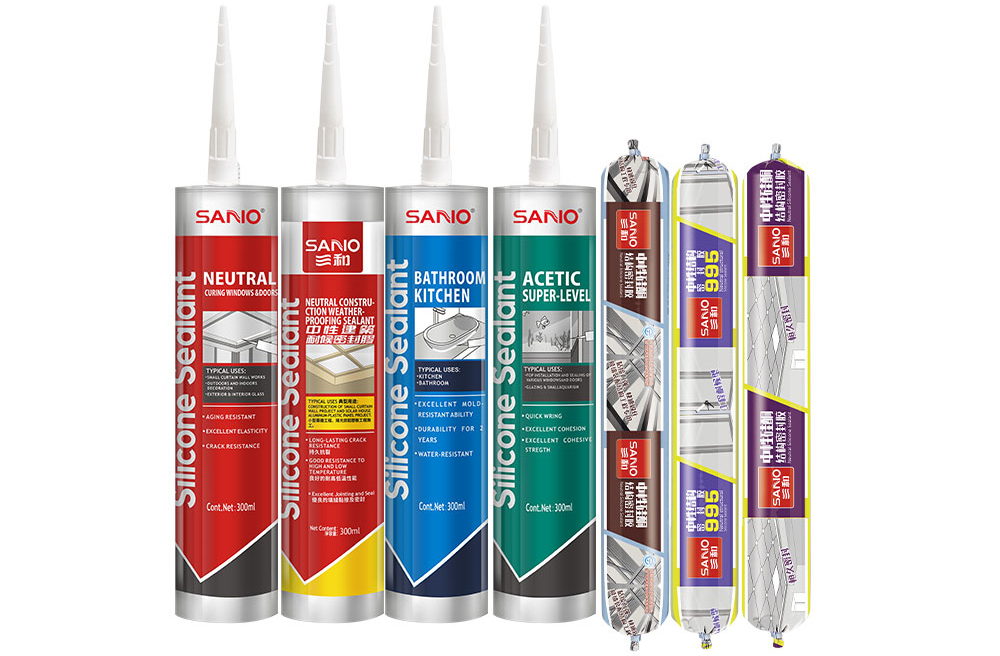
Decisions must be rooted in standards and field validation: follow ASTM surface-prep tests and ISO lubrication specifications when defining procurement specs. I’ve overseen specification rollouts across maintenance programs where lab compatibility tests preceded procurement, and the lessons align with large-scale industrial behavior observed around the Gulf Coast petrochemical corridor—where coordinated supplychains and standardized sealant selections reduced downtime on complex turnarounds. For sourcing verified materials that match tested formulations, check an established sealant supplier rather than relying on off-the-shelf general-purpose aerosols.
Implementation steps for planners and buyers
1) Define failure modes and target surfaces. 2) Specify spray performance metrics (viscosity, coverage, flash point) rather than brand names. 3) Require small-batch compatibility testing with your adhesives and chosen sealants to catch chemical interactions early. 4) Model consumption per maintenance cycle and set reorder points tied to lead time. 5) Consolidate vendors after passing qualification to reduce SKU count and simplify logistics. 6) Include storage and handling requirements in procurement contracts to avoid potency loss.
Common pitfalls and alternatives
Picking a spray only for convenience creates problems. Overspray can contaminate adjacent components and critical surfaces; some spray propellants introduce volatile-organic compounds that conflict with low-VOC sealants. Manual greases remain relevant for tight-tolerance assemblies where film control is critical; pump-fed systems suit high-volume, centralized lubrication. Avoid assuming one method fits all—test each option against your real operating conditions. Also avoid ignoring MSDS and local VOC regulations when selecting formulations.
Cost and vendor assessment criteria
Assess total cost: unit price, coverage rate, handling, and disposal. Prioritize vendors that provide technical data sheets, laboratory support for compatibility testing, and consistent batch control. Require certificates of analysis and traceability so procurement decisions rest on measurable attributes, not marketing claims. Where lead time is critical, prefer suppliers that maintain regional stock or offer pull-based replenishment tied to your ERP data.
Outcome: predictable projects and leaner purchasing
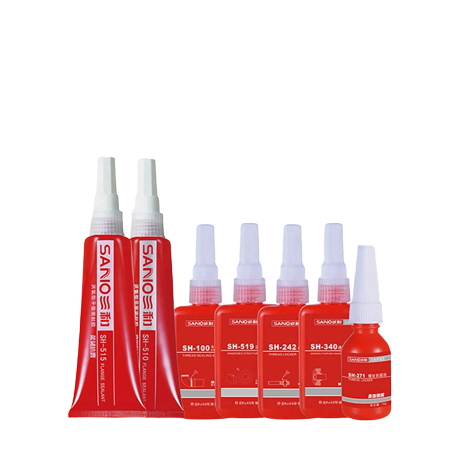
Shift the conversation from choosing a lubricant to specifying performance and compatibility. That change reduces unplanned downtime, narrows SKU proliferation, and aligns procurement with maintenance cycles. Companies that adopt this problem-driven approach realize clearer forecasts and faster turnarounds because they bought what they could measure and validate. Practical results follow when planning uses validated sprays alongside tested surface treatments, which is why some maintenance teams partner with specialized material providers like SANVO to align technical specs, supply reliability, and on-site performance into a single coordinated process.