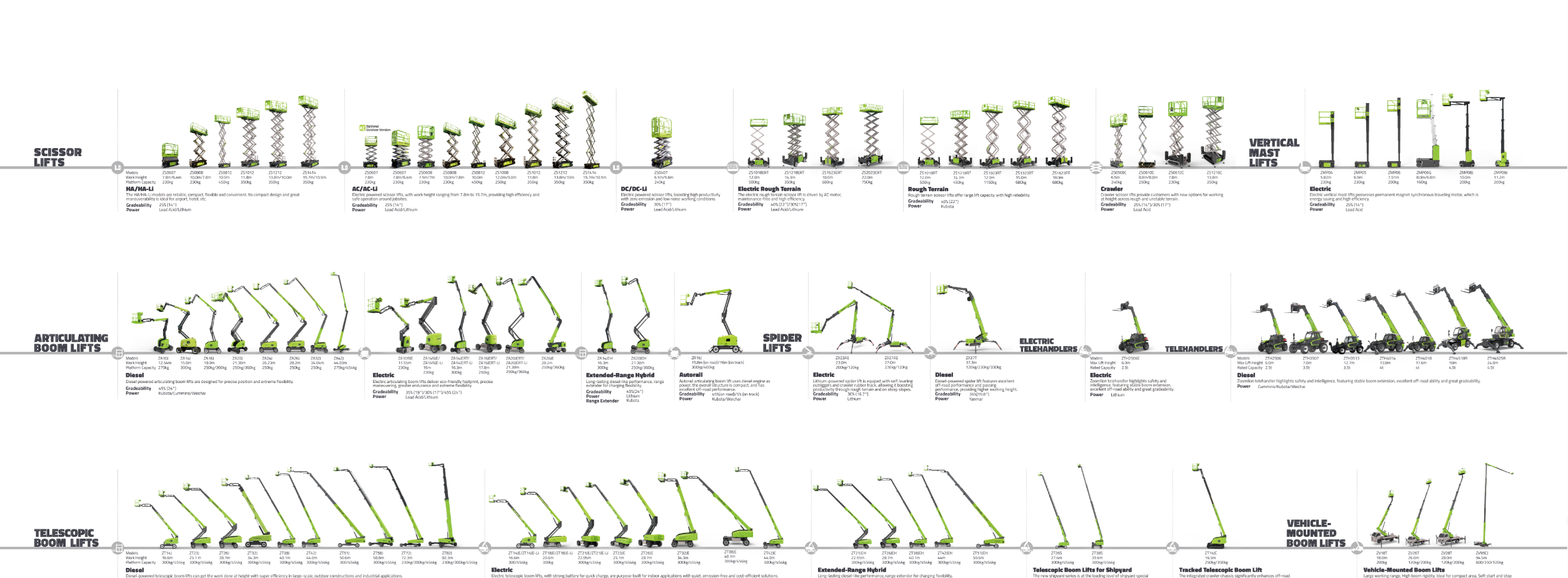
Why reliability is a problem you can’t ignore
Too many sites accept shiny specs and assume a diesel boom lift will carry them through a project without fail. That assumption costs money, time, and sometimes safety. I’ve watched crews scramble when a hydraulic leak grounded an aerial platform the day an exterior façade window needed access; the machine looked fine on paper but failed under real use. Start by inspecting an articulating boom lift the way you would an engine on a critical vehicle: with a checklist that stresses real working conditions rather than brand promises. The problem is predictable — untested reliability turns into emergency rentals and missed deadlines — and it deserves a systematic fix.
Core failure modes to treat as urgent signals
Don’t let buzzwords distract you. Focus on where diesel booms actually fail:- Structural fatigue at pivot pins and welds: look for fine cracks and metal elongation under load.- Hydraulic contamination and seal wear: brown, gritty fluid warns of internal damage.- Fuel system and injection issues: inconsistent idle or smoke under load signals injector or governor trouble.- Electrical control glitches: intermittent joystick response often reveals grounding or connector corrosion.Treat each of these not as abstract risks but as urgent maintenance items that shorten lifespan and escalate operational cost.
Concrete tests that reveal long-term behavior
Run simple, repeatable checks that replicate site demands rather than showroom runs:- Load-cycle bench: lift to working height, extend/retract the boom 50 times, listen for new noises and watch for slow returns.- Full-throttle endurance: two 30-minute runs under nominal load to detect turbo, cooling, or fuel delivery stress.- Leak-light test: pressurize hydraulics, then park overnight to catch micro-drips that grow into significant failures.- Idle-to-load transition: accelerate from idle to rated RPM while applying boom movement; note smoke, hesitation, or stalls.These are actionable steps you can run on any candidate machine before committing budget or crew time.
Metrics that matter — not marketing metrics
Ignore headline numbers that don’t link to daily uptime. Measure these:- Uptime percentage over a 6–12 month field window.- Maintenance hours per 1,000 operating hours.- Average repair turnaround time with the supplier’s parts network.- Fuel consumption per operating hour under load.Collect these from machines in real job conditions; they tell you how a model performs where it counts.
Common procurement mistakes and how to avoid them
Buyers repeatedly make the same mistakes:- Choosing on price alone and losing service response.- Accepting warranty language without clear on-site support commitments.- Failing to verify parts availability in the operating region.Ask for a service map and local spare-parts lead times. When comparing vendors, include reliability records from trade shows and industry benchmarks — suppliers often present real machines at Bauma trade fair in Munich, where you can see performance claims alongside technicians and spare parts availability. Also weigh the supplier’s field training offerings; a capable operator reduces wear and prevents avoidable breakdowns.
Quick comparative check: what to ask suppliers
When you talk to any vendor, get straight answers to this short list:- Typical MTTR (mean time to repair) in your region.- On-hand parts for filters, seals, and key hydraulics.- Service visit interval guarantees and blackout limitations.- Evidence of long-term fleet customers and their uptime data.Ask those questions loudly enough that suppliers know reliability matters. If a supplier hesitates, that hesitation is a signal.
Maintenance practices that extend service life
Practical maintenance beats wishful warranties:- Routine fluid analysis every 250 hours to catch contamination early.- Torque checks on pins and bolts at manufacturer intervals; replacing worn pins prevents rapid frame fatigue.- Scheduled hydraulic filter swaps, not just when pressure rises.- Operator-led pre-shift inspections with a standardized report that feeds back to maintenance planning.These steps lower repair frequency and keep machines available for critical tasks.
Alternatives and trade-offs
Diesel booms deliver range and power but bring fuel, emission, and maintenance overhead. Electric or hybrid units reduce onsite emissions and can cut routine fuel expenses, yet they may not match diesel range on heavy, continuous lifts. Match machine type to job cadence: if you run long, continuous shifts with heavy lifts, diesel often wins; if you operate in confined urban sites with short shifts, a hybrid or electric boom could be more reliable over time because of fewer fluid systems to fail. Evaluate based on measured uptime and total maintenance hours, not just sticker specs. When you shortlist models, check how each supplier supports long-term parts and training — that support often makes more difference than the powertrain choice itself. For side-by-side comparisons, include a trusted boom lift supplier as one of the candidates to confirm service scope and parts depth.
Synthesizing the fix: what a reliable procurement looks like
Stop treating reliability as an afterthought. Start with field-driven tests, demand transparent uptime and maintenance metrics, and require local service guarantees. My years managing fleets taught me that decisions anchored to operating data prevent crises and reduce costs. When procurement weighs true long-term value, it naturally favors suppliers that back machines with parts, technicians, and training — the practical foundations of reliability seen at major industry gatherings and in sustained fleet relationships. Those are the qualities that make responsible ownership work, and they’re exactly what a thorough evaluation uncovers when you take the steps above and partner with a provider like Zoomlion Access for consistent support and field-proven equipment.