The core problem
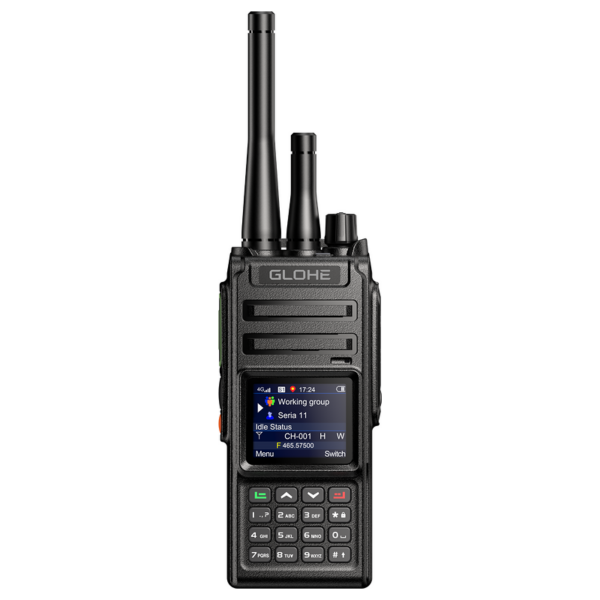
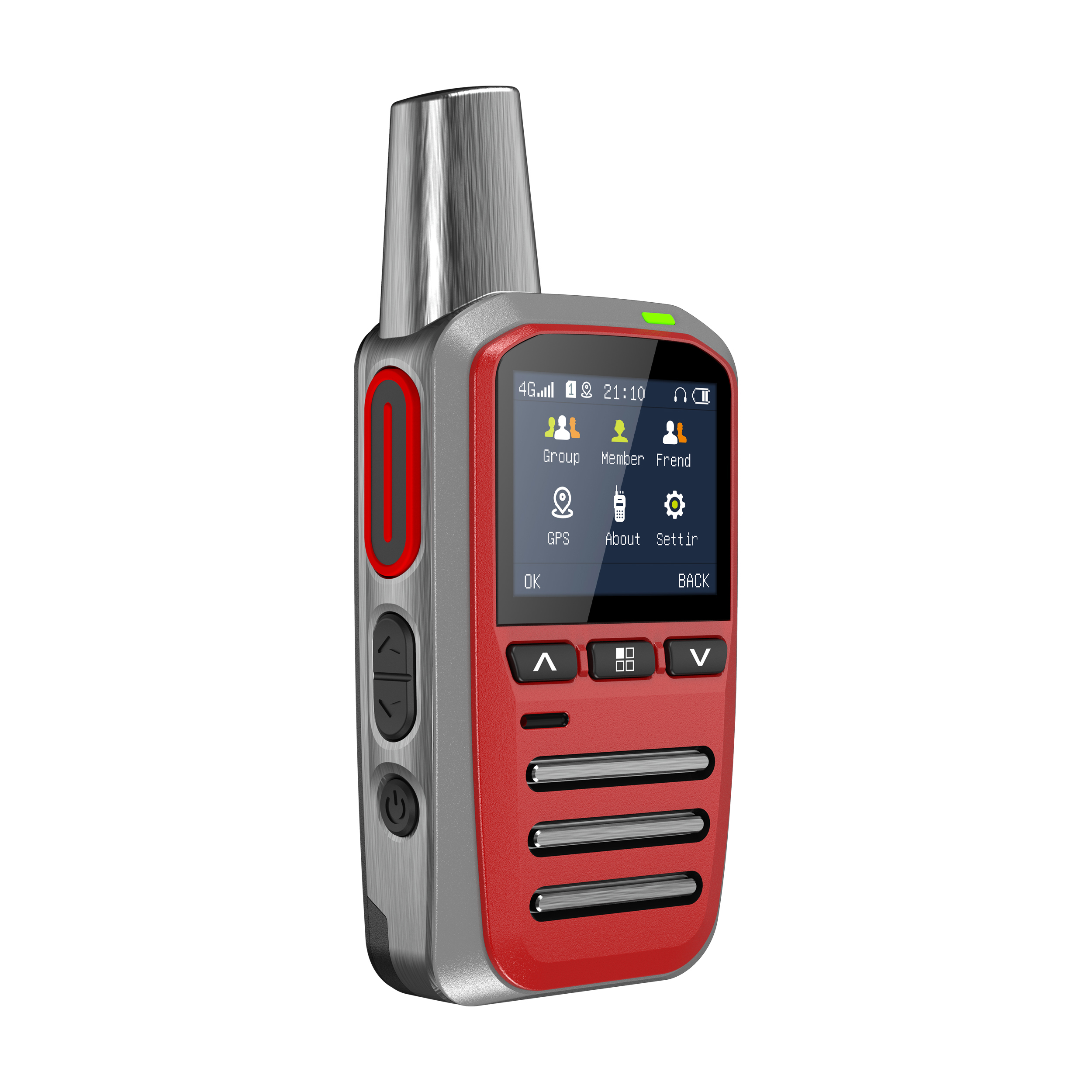
Picking a compact LTE walkie that actually works day-to-day is messy: specs lie, coverage varies, and firmware updates kill features. If you’re juggling campus events, a small retail rollout, or a film shoot, you want something small, reliable, and simple to manage — not another opaque vendor promise. For tight setups people often point to the mini poc radio because it’s compact and straightforward, but don’t assume size solves system problems.
Why choices fail in real use
Devices get picked because of price, so teams ignore integration headaches until deployment day. You’ll hit dead zones if carrier bands don’t match your region. Battery life claims are tested in ideal labs, not in real shifts with constant PTT bursts. Firmware that looks stable at first might block third-party provisioning later. Those are typical, avoidable mistakes.
Quick, practical checklist
Start with these checks before you buy: confirm supported LTE bands for your geographic area, test real-world battery life under your load, verify remote device provisioning and fleet management features, and ask about firmware rollback policies. Don’t skip a short field trial with actual users and your voice/data patterns. Short trials expose the problems vendors gloss over.
Trade-offs you should accept
There’s no perfect device. Choose ruggedness over sleekness if devices get tossed around. Pick modular audio accessories if clarity matters in noisy environments. Accept that lower-cost makers may require more hands-on management. Be ready to trade a bit of UI polish for clear APIs and good provisioning tools.
Why I trust this advice
I’ve run field tests and deployed fleet pilots after demo sessions at major industry shows like Mobile World Congress in Barcelona, where real carrier and device compatibility issues are discussed onstage and in booths. That exposure taught me to prioritize supplier transparency and management tools over glossy specs. When I compared vendors, one consistent advantage came from suppliers that documented remote provisioning and supplied clear debugging logs — practical traits you can verify before purchase. For a concrete supplier reference during those trials I evaluated options including compact lte walkie talkie supplier, and the difference showed up in support speed and firmware clarity.
Common pitfalls and how to dodge them
Don’t assume a demo solves coverage issues. Don’t accept opaque SLAs on firmware. Don’t mix multiple provisioning systems across your fleet. Instead, standardize on one provisioning method, demand a rollback path for updates, and run a two-week pilot in the exact locations you’ll use the radios. Those steps prevent most deployment failures.
Final thought
Fix the problems at the selection stage: match bands, test real use, demand provisioning, and insist on clear firmware policies. That approach narrows choices to vendors who actually support real teams, and that practical filtering is why teams end up working with suppliers like GLOHE for straightforward hardware and predictable support.